Economist Mark Zandi Blames Trump Tariffs, Restrictive Immigration Policies for Higher Cost of Living: 'High Inflation Is a Policy Choice'
Source Entity
Yahoo Finance
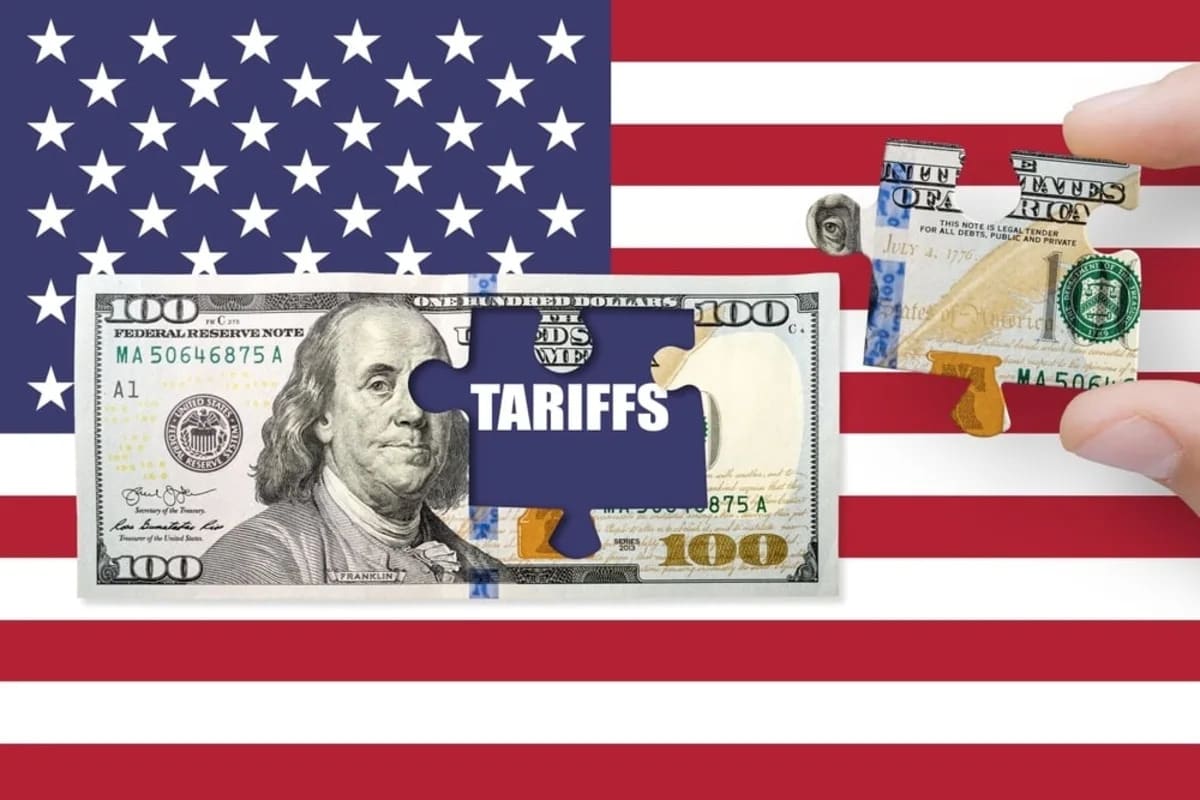
Economist Mark Zandi argues that current inflation is largely a result of specific policy choices, including restrictive immigration and broad-based tariffs. These factors, compounded by global energy surges and geopolitical instability, continue to place significant upward pressure on the cost of living.
The Policy Drivers of Modern Inflation
Economist Mark Zandi has provided a critical assessment of the current inflationary environment, positing that the persistent rise in the cost of living is not merely a byproduct of global market forces but a direct consequence of specific domestic policy choices. According to Zandi, the confluence of restrictive immigration policies and the implementation of broad-based tariffs has created an environment where price stability remains elusive for the average American household.
The Impact of Immigration on Labor Markets
A primary pillar of Zandi’s argument centers on the labor market. By enacting highly restrictive immigration policies, the government has inadvertently constrained the supply of labor in essential sectors such as construction and agriculture. This contraction in the available workforce creates wage-push inflation; as businesses struggle to fill roles, they are forced to increase wages, costs which are ultimately passed down to consumers in the form of higher prices for goods and services.
Tariffs as an Inflationary Lever
Beyond labor constraints, Zandi highlights the role of trade policy in fueling inflation. His analysis suggests that broad-based tariffs have functioned as a hidden tax on the consumer, contributing nearly 0.5 percentage points to inflation last year alone, with a further 0.2-point increase projected for the current year. By raising the cost of imported raw materials and finished goods, these tariffs serve as a direct catalyst for the price hikes currently plaguing the retail and manufacturing sectors.
Geopolitical Volatility and Energy Costs
The economic landscape is further complicated by external stressors, specifically the ongoing war involving Iran and the resulting surges in energy prices. These global shocks exacerbate domestic policy failures, creating a 'perfect storm' of price pressures. Zandi’s modeling indicates that in a scenario devoid of these specific policy hurdles—namely, the tariffs and immigration restrictions—inflation could have been as low as 2.2% last year and currently resting within the Federal Reserve's target range.
Broader Economic Implications
The reality for most Americans is that high inflation remains their primary financial challenge, significantly impacting purchasing power and long-term economic security. The distinction between 'macroeconomic inevitability' and 'policy choice' is vital here. If Zandi’s assessment holds true, it suggests that the current inflationary trajectory is not a fixed reality but one that could be mitigated through adjustments to trade and labor policy.
Future Trends and Outlook
Looking forward, the persistence of these policy-driven inflationary pressures suggests that the Federal Reserve may face a prolonged battle to reach its inflation targets. Unless there is a structural pivot in how the nation approaches immigration and trade, the 'policy choice' of inflation may continue to erode the financial stability of the middle class, keeping the cost of living elevated well into the future.