U.S. to see higher generic drug prices thanks to tariffs, CEO of leading India pharma firm warns
Source Entity
US Top News and Analysis
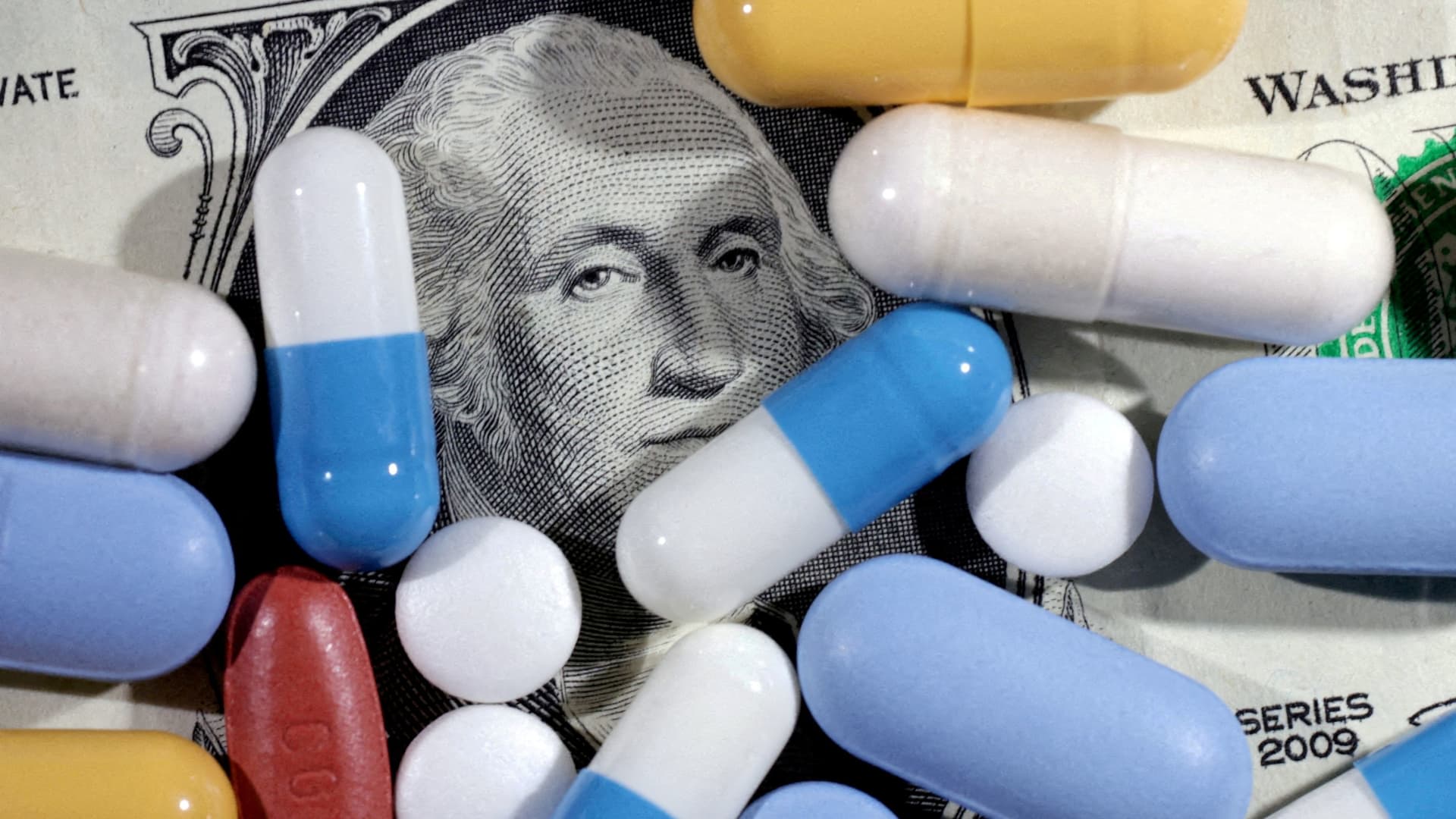
Dr. Reddy's CEO Erez Israeli warns that President Trump's proposed tariffs on generic drugs will force price hikes for U.S. patients. The company states that the low-margin nature of the industry makes absorbing such costs impossible.
The Economic Impact of Proposed Pharma Tariffs
The pharmaceutical landscape faces a significant disruption as U.S. President Donald Trump proposes new tariffs on generic drugs. Erez Israeli, CEO of the Indian pharmaceutical giant Dr. Reddy’s Laboratories, has publicly cautioned that these fiscal measures will inevitably lead to higher costs for American patients. As the U.S. healthcare system relies heavily on affordable generic medications to manage chronic conditions, this policy shift threatens to undermine the accessibility of essential treatments.
The Margin Dilemma in Generic Manufacturing
Generic drug manufacturing is characterized by extremely thin profit margins, driven by intense global competition and the commoditization of off-patent medicines. According to Israeli, the proposed tariff levels are far beyond what a company like Dr. Reddy’s can absorb internally. When production costs rise due to government-imposed levies, the economic reality of the pharmaceutical supply chain dictates that these costs must be passed down to the end consumer, resulting in a direct correlation between the tariff rate and the price of the medication at the pharmacy counter.
Global Supply Chain Constraints
One of the most critical aspects of this warning is the logistical impossibility of a rapid supply chain pivot. Israeli noted that a two-year window is likely insufficient for pharmaceutical firms to relocate their manufacturing operations to avoid these tariffs. The complexity of building or transitioning pharmaceutical production facilities, which must meet stringent FDA safety and quality standards, means that companies are effectively locked into their current geographic footprints for the near term.
Broader Implications for U.S. Healthcare
The U.S. healthcare market is the primary consumer of generic drugs, which account for the vast majority of prescriptions filled in the country. By placing financial pressure on international suppliers like Dr. Reddy’s, the proposed tariffs could inadvertently trigger a broader inflationary trend in the healthcare sector. This environment creates a paradox where policies intended to protect domestic industries may end up placing a heavier financial burden on the very citizens they are designed to support.
Future Trends and Market Stability
Looking ahead, the industry may see a period of heightened volatility as pharmaceutical companies re-evaluate their exposure to the U.S. market. If tariffs remain in place, we may observe a shift in how companies prioritize their global portfolios, potentially leading to supply shortages or a reduction in the diversity of available generic treatments. The warning from Dr. Reddy’s highlights a fundamental tension between protectionist trade policy and the globalized nature of modern medicine manufacturing, suggesting that the path toward domestic self-sufficiency in pharmaceuticals remains fraught with economic challenges.