MPs ask why govt didn’t inform owners of non-E20 vehicles about mileage loss
Source Entity
DIPAK K DASH
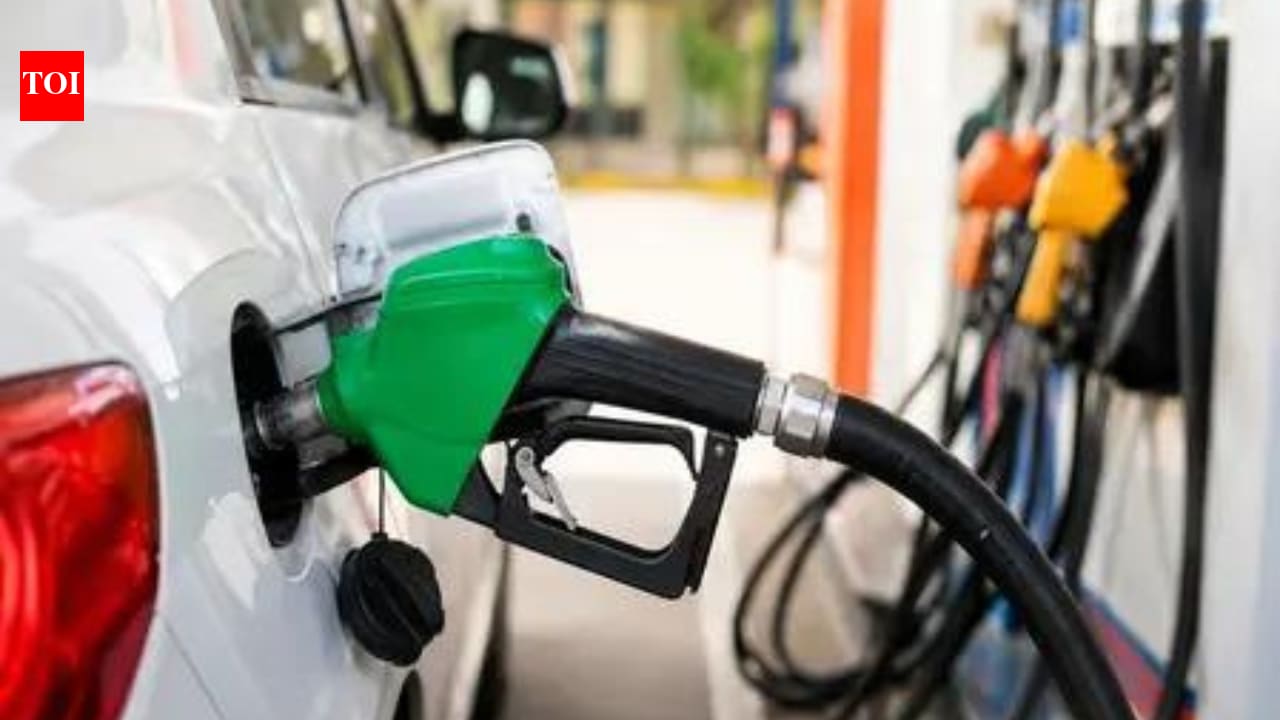
The Indian government has clarified that premium petrol will remain ethanol-free while maintaining a 20% ethanol blend for regular fuel. Amidst parliamentary scrutiny regarding vehicle compatibility and mileage concerns, dealers are seeking standardized testing protocols to ensure fuel quality.
Ethanol Blending Policy: Balancing Energy Security and Consumer Concerns
The Current Landscape of E20 Fuel
The Indian government has officially clarified its position regarding the fuel landscape, confirming that premium petrol grades will remain exempt from ethanol blending. This decision provides a specialized segment for consumers with high-performance vehicles or specific engine requirements that may not be optimized for ethanol-blended fuels. Simultaneously, the government has maintained the 20% ethanol blending mandate (E20) for regular petrol, emphasizing that there are currently no plans to exceed this threshold without further extensive studies and stakeholder consultations.
Parliamentary Scrutiny and Consumer Awareness
Recent sessions of the parliamentary committee on transport have brought critical consumer concerns to the forefront. Members of Parliament have pressed government officials for accountability regarding the lack of public awareness campaigns concerning potential mileage reduction in older, non-E20 compliant vehicles. While the government maintains that there have been no widespread adverse reports regarding E20 usage, the legislative inquiry highlights a significant gap in communication between policy implementation and the everyday realities faced by vehicle owners, particularly those driving models manufactured prior to 2023.
The Economic and Strategic Rationale
At the heart of the E20 mandate lies India’s broader strategic objective to reduce its heavy dependence on imported crude oil. By integrating ethanol—a renewable biofuel—into the domestic fuel supply, the government aims to improve the national trade balance and promote agricultural sustainability. While the parliament noted the macro-economic benefits of this energy transition, the inquiry into whether individual vehicle owners have seen any tangible economic gains underscores the tension between national energy security and the immediate financial impact on the consumer.
Operational Challenges for Fuel Retailers
Beyond the policy level, the implementation of E20 at over 100,000 retail outlets has created operational hurdles for petrol pump dealers. Dealers are currently advocating for a standardized operating procedure (SOP) and specialized testing tools to verify fuel quality at the point of sale. This demand arises in the wake of government directives for stricter enforcement against non-compliant fuel, placing the onus of quality assurance on the retailers who currently operate under stringent marketing discipline guidelines.
Future Trends and Regulatory Outlook
Looking ahead, the evolution of India's fuel policy remains tied to careful observation and technical refinement. With the government currently testing E25 blends, the path forward appears cautious, prioritizing scientific validation over rapid expansion. The ongoing dialogue between the transport ministry, petroleum officials, and parliamentary representatives suggests that future energy policies will likely incorporate more robust communication strategies and standardized quality control mechanisms to mitigate the operational risks currently faced by both pump dealers and the motoring public.
Multiple Citing Sources