How photos were transmitted by wire in the 1930s (2024)
Source Entity
Hacker News
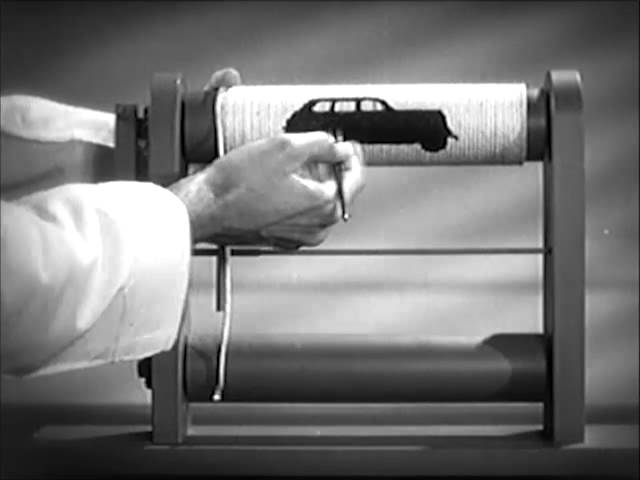
A 1937 video reveals the ingenious, high-stakes methods used to transmit wire photos via telephone lines. This analog technology revolutionized news reporting and influenced global industries like fast fashion.
The Analog Revolution: Decoding 1930s Wire Photo Technology
Recent interest in a 1937 archival video has shed light on the dramatic and ingenious methods used to transmit photographs across vast distances during the pre-digital era. The footage details the process of wirephoto transmission, a revolutionary technology that allowed newspapers to receive images from across the country in a fraction of the time previously required. What makes this particular historical account so compelling is the inclusion of a high-stakes, cinematic stunt sequence involving an airplane and a photographer, highlighting the lengths news organizations went to in order to capture and transmit breaking news.
The Mechanics of Early Data Transmission
At its core, the wirephoto process was a marvel of analog engineering. Operators would utilize portable hardware to interface directly with ordinary telephone infrastructure. By physically accessing wires on telephone poles and requesting that operators clear the lines, technicians were able to convert visual information into signals transmitted over telephone lines. This essentially functioned as an early, analog precursor to the modern modem, allowing for the transmission of visual data long before the advent of the internet or digital scanning technology.
Historical Context and Cultural Impact
While the technical feat of sending an image over a phone line is impressive, the cultural implications were equally significant. The accessibility of wirephoto technology fundamentally altered the speed at which information traveled, creating the first truly globalized news cycle. This rapid dissemination of imagery did not merely serve the press; it influenced cultural trends on a global scale. As noted in historical records, French designers observed that this speed of communication was instrumental in the birth of early 'fast fashion,' as trends could be documented and transmitted from Paris to the world in record time.
Post-War Evolution and Fashion
Following the conclusion of World War II, the intersection of wirephoto technology and the fashion industry became even more pronounced. Figures like Frederick L. utilized these transmission capabilities to bridge the gap between haute couture shows in Paris and international markets. This ability to instantly share the latest designs meant that the fashion cycle accelerated, moving away from slow, seasonal releases toward a more reactive, consumer-driven model that persists today.
Conclusion: The Legacy of Analog Ingenuity
Reflecting on the 1937 methodology reminds us that the fundamental human desire for instant communication is not a modern invention. The 'hacked' telephone lines and daring photographer stunts of the 1930s were the foundational steps toward our current hyper-connected reality. By understanding these analog roots, we gain a deeper appreciation for the evolution of media technology and the ways in which historical innovations continue to shape our contemporary global society.