Ahead of 2027 trial runs, India’s first bullet train corridor energises overhead electrical system on 50-km Surat–Bilimora stretch
Source Entity
The Indian Express
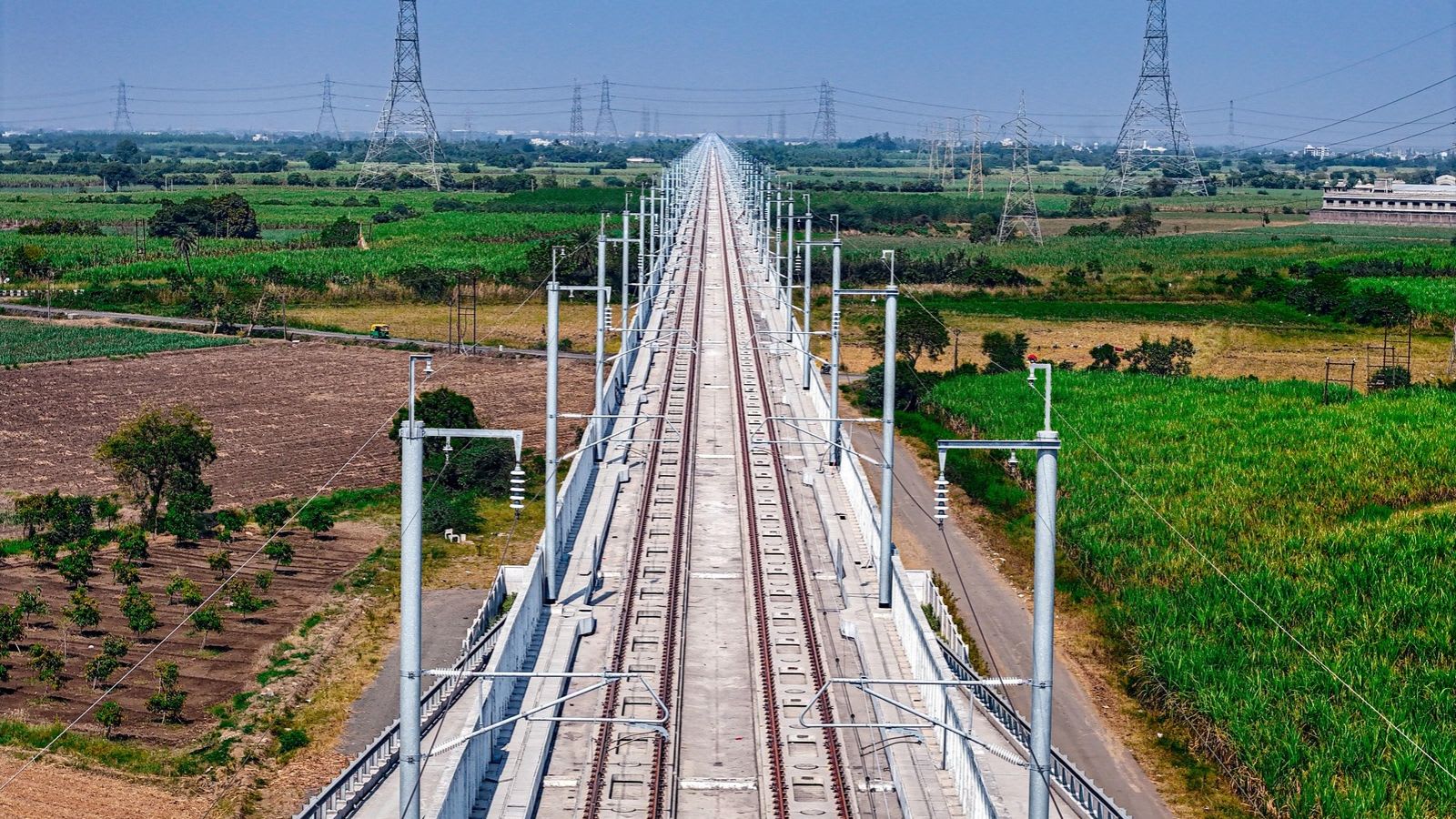
India has reached a key milestone for its first bullet train project by successfully energising the overhead electrical system on the Surat–Bilimora stretch. This development paves the way for scheduled trial runs on the Mumbai–Ahmedabad high-speed rail corridor by 2027.
India’s High-Speed Rail Ambitions: A Milestone in Electrification
The landscape of Indian transportation is undergoing a transformative shift as the National High Speed Rail Corporation Limited (NHSRCL) announces a significant technical achievement. The successful energisation of the Overhead Equipment (OHE) system across a 50-km stretch between Surat and Bilimora marks a pivotal transition from civil construction to systems testing for India’s first bullet train project.
Technical Significance of the OHE Energisation
This milestone, achieved on November 20, is not merely a symbolic gesture but a critical engineering requirement. Energising both the Up and Down lines of the elevated corridor allows engineers to verify the integrity of the power supply infrastructure. By establishing a functional electrical foundation, the NHSRCL can now move toward the integration of high-speed rolling stock and the calibration of sophisticated signaling systems essential for safe operations at high velocities.
Strategic Progress Toward 2027 Trials
The Mumbai–Ahmedabad high-speed rail project is a flagship initiative designed to bridge the economic hubs of Maharashtra and Gujarat. By targeting 2027 for the commencement of trial runs, the project timeline remains focused on creating a modern, efficient transit artery. The decision to energise the lines in smaller, controlled sections demonstrates a rigorous commitment to safety protocols and technical precision, ensuring that any potential anomalies are identified and mitigated early in the deployment phase.
Broader Economic and Infrastructure Implications
Beyond the immediate technical success, this development signals the maturation of India's high-speed rail ecosystem. The integration of advanced electrical infrastructure is expected to set a new benchmark for domestic rail projects, potentially influencing future corridors. As India seeks to enhance connectivity, the transition from traditional rail to high-speed infrastructure represents a significant leap in national logistics capability and passenger transit efficiency.
Future Trends and Operational Readiness
Looking ahead, the successful testing of the Surat–Bilimora section serves as a blueprint for the remaining segments of the corridor. The methodical approach to power systems will likely be replicated, allowing for a phased rollout of testing activities. As the project nears its 2027 trial deadline, the focus will shift toward synchronizing the electrical, mechanical, and operational components into a unified, reliable network.
Conclusion
In summary, the energisation of the Surat–Bilimora stretch is a testament to the methodical progress of India's bullet train initiative. By prioritizing safety and incremental testing, the NHSRCL is laying a robust foundation for the future of rapid transit in India. This achievement brings the nation one step closer to realizing a vision of high-speed connectivity that promises to reshape regional economic dynamics.