AI adoption grows in Asia, but measuring the gains remains tricky
Source Entity
US Top News and Analysis
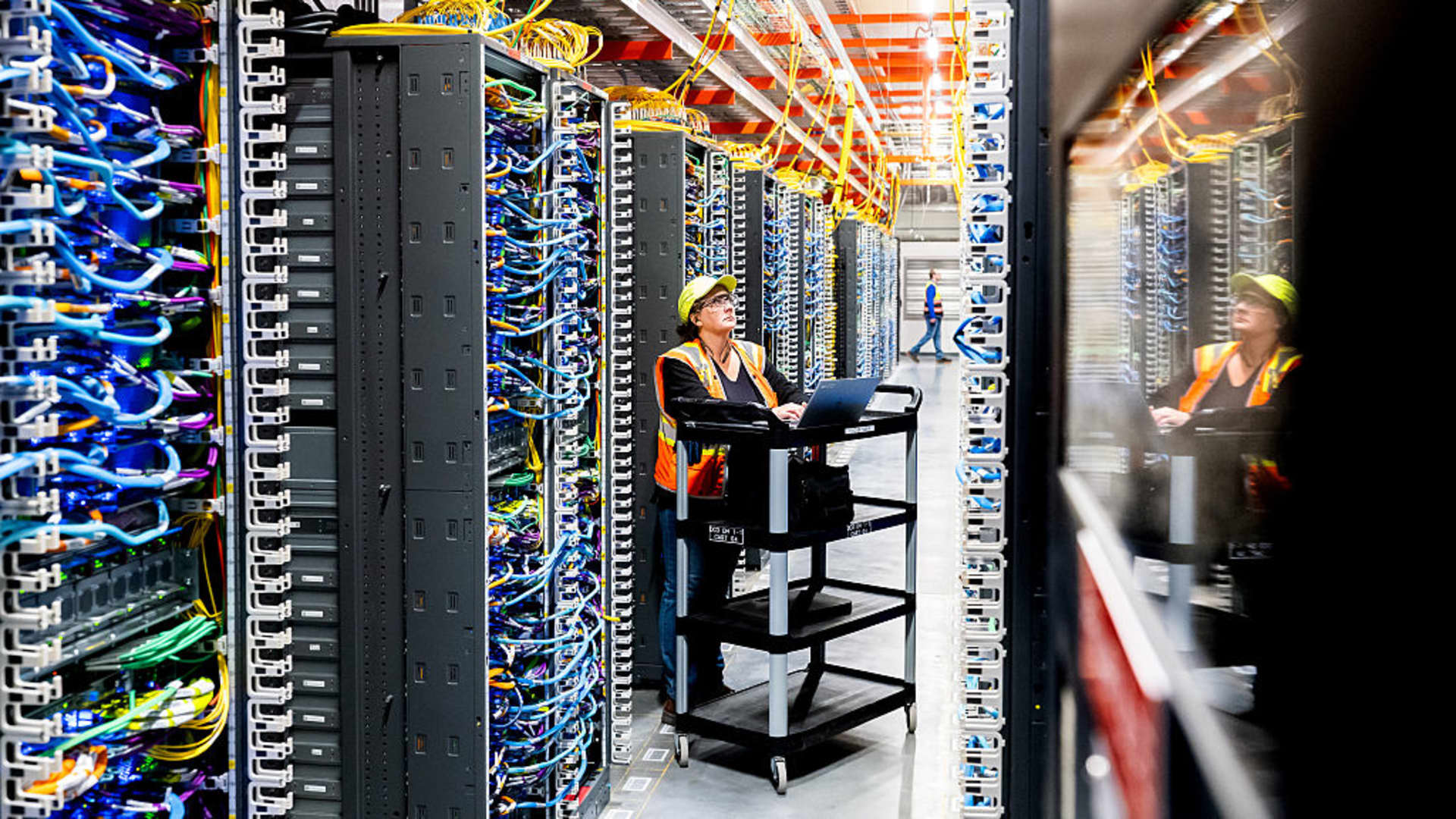
Businesses across the Asia-Pacific region are reporting positive returns from AI investments, yet many struggle to quantify these gains accurately. Despite this measurement gap, the region is rapidly transitioning from AI experimentation to full-scale production.
The Rapid Evolution of AI Integration in APAC
Businesses across the Asia-Pacific (APAC) region are currently navigating a pivotal transition in the adoption of artificial intelligence. According to recent research conducted by Strand Partners for Amazon Web Services (AWS), the narrative surrounding AI has shifted from theoretical experimentation to tangible operational integration. While the appetite for AI remains robust, the maturity of these deployments is revealing a complex reality: while the technology is demonstrably delivering value, the methods for quantifying that value remain inconsistently applied.
Moving from Pilot Programs to Production
A striking finding from the research is the transition from mere conceptual interest to functional implementation. Experts note that the most significant shift over the past year has been the transition of AI-driven ideas into active production environments. This movement indicates that firms are moving beyond the 'hype' phase and are successfully deploying AI to solve specific business problems, thereby validating the technology's utility in real-world scenarios rather than just sandboxed environments.
The ROI Measurement Paradox
Despite the positive reception, a significant data gap persists regarding financial accountability. While approximately 58% of surveyed businesses report that their AI investments have already surpassed initial costs, only 12% express high confidence in their ability to accurately measure return on investment (ROI). This dichotomy suggests that while companies are intuitively experiencing gains in productivity and revenue, they lack the sophisticated analytical frameworks required to isolate AI’s specific contribution to the bottom line from other operational variables.
APAC as the Global Innovation Hub
The APAC region is increasingly viewed as a central pillar for global technological advancement. With a unique combination of high digital literacy, rapid infrastructure development, and a dense concentration of businesses eager to innovate, the region possesses all the necessary ingredients to become the center of worldwide AI innovation. This geographic focus underscores the importance of the region's current struggles with metrics, as the lessons learned here will likely dictate global standards for AI performance tracking.
Future Trends and Implications
As the industry matures, the focus for APAC businesses will likely shift toward standardizing performance metrics. The inability to precisely measure ROI is not necessarily a reflection of failure, but rather a symptom of a technology that is still being integrated into legacy systems. Over the coming years, we can expect to see the emergence of more specialized AI analytics platforms designed to help firms bridge the gap between operational output and financial gain, ultimately stabilizing the AI market in the region.
Concluding Insights
In summary, the state of AI in Asia-Pacific is one of cautious optimism and rapid growth. While companies are successfully leveraging AI to boost productivity and revenue, the lack of confidence in measurement metrics highlights a need for greater analytical rigor. As firms continue to push their AI initiatives into production, the maturation of tracking methodologies will be the next major milestone in cementing the region's position as a global leader in artificial intelligence.