Freeing the iPod Nano 5G
Source Entity
Hacker News
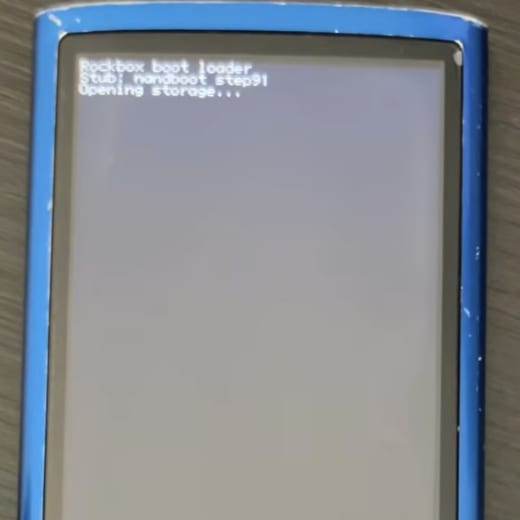
A security researcher has successfully developed a fully untethered boot chain for the iPod nano 5G, enabling the execution of unsigned code. This breakthrough allows users to run alternative firmware like Rockbox on legacy Apple hardware without requiring constant computer connectivity.
The Resurgence of Legacy Hardware: Hacking the iPod Nano 5G
In a significant development for the digital preservation and retro-tech community, a security researcher has successfully bypassed signature checks on the iPod nano 5G. By combining a signature-check bypass with a font-based exploit, the researcher has enabled the device to boot unsigned code in a fully untethered state. This achievement marks a transition from previous, more restrictive methods of hardware manipulation, allowing for a more robust and permanent modification of Apple’s legacy music players.
Building on the Foundation of ipod_sun
The history of iPod hacking has long been defined by the persistent efforts of developers to liberate these closed-source devices. Several years ago, the developer CUB3D introduced 'ipod_sun,' a font-based exploit that allowed for unsigned code execution on the iPod nano 6G and 7G. While these exploits were groundbreaking, the 5G model remained a stubborn holdout, leaving the community uncertain if the same vector could be applied. The recent success in adapting these methods proves that the underlying architectural vulnerabilities in Apple’s legacy firmware are more interconnected than previously believed.
The Quest for Rockbox and Offline Autonomy
The primary motivation behind this endeavor was the installation of Rockbox, an open-source firmware replacement for digital music players. As modern music streaming services become increasingly reliant on persistent internet connections and proprietary ecosystems, there is a growing demand for offline, user-owned audio hardware. By porting Rockbox to the nano 5G, the developer has transformed a locked-down legacy device into a modern, highly functional music player that requires no external computer or complex button sequences for boot-up.
Beyond the 5G: Implications for the Nano Series
Perhaps most notably, the research did not stop at the 5G model. The developer successfully improved the existing exploit for the nano 7G, rendering it fully untethered, with expectations that the 6G will follow suit. By moving away from existing DFU (Device Firmware Update) exploits—such as those historically documented by researchers like q3k—this new methodology creates a more stable user experience. These findings demonstrate that legacy devices, even those abandoned by their original manufacturers, remain fertile ground for security research and software customization.
Future Trends in Retro-Computing
This breakthrough serves as a case study for the broader trend of 'right to repair' and hardware liberation. As consumer technology moves toward increasingly locked-down, cloud-dependent ecosystems, the ability to modify and maintain legacy devices becomes a vital act of technological sovereignty. We can expect to see continued interest in these types of exploits as enthusiasts seek to extend the lifecycle of their hardware, ensuring that these classic music players remain functional tools for audiophiles rather than becoming electronic waste.