White-clad horsemen, bomb catchers: The myths Pakistan relied on during 1965 war with India
Source Entity
Man Aman Singh Chhina
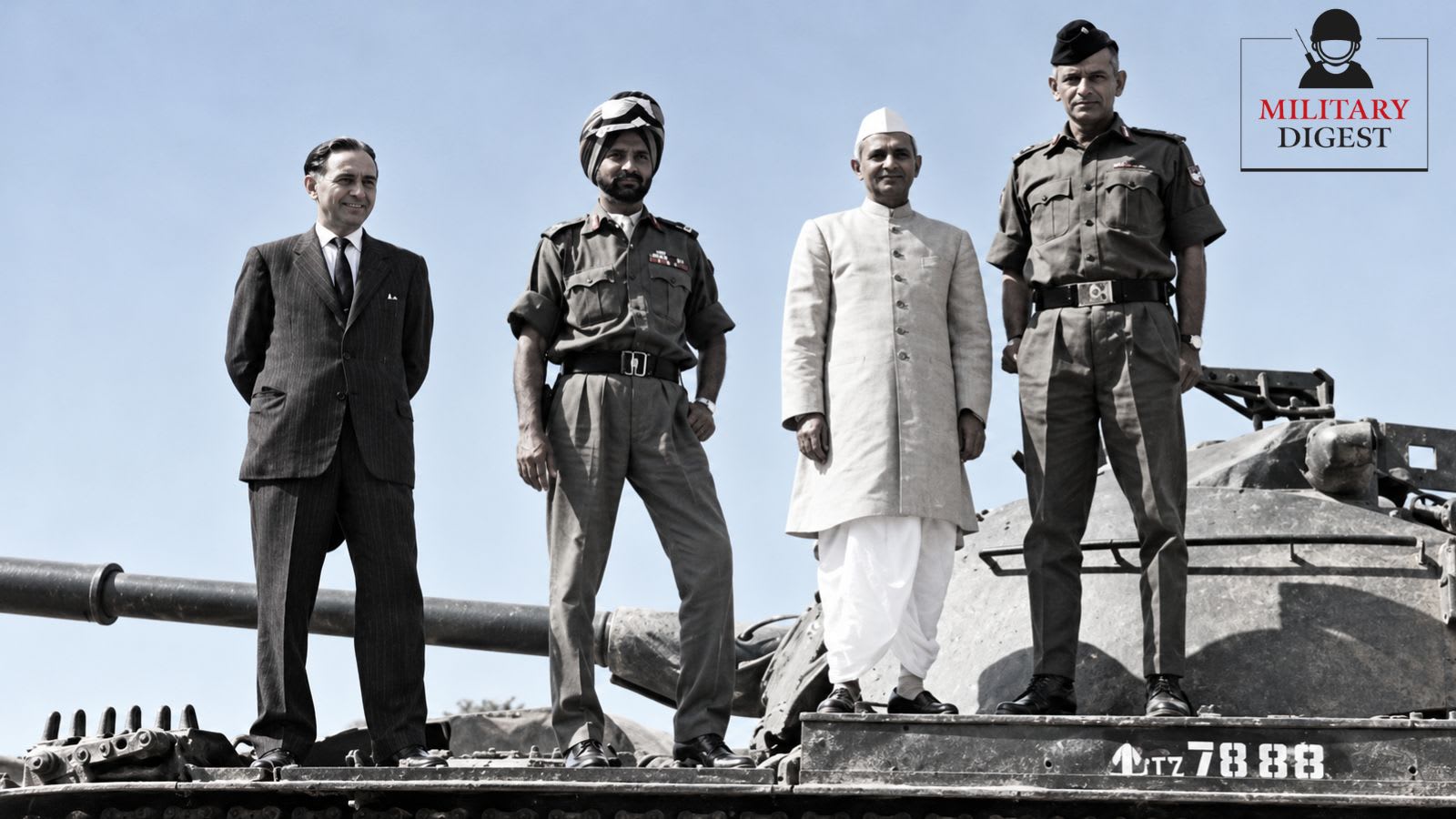
The 1965 India-Pakistan war saw India launch a strategic offensive on Lahore to alleviate pressure on the Kashmir front. Amidst the intense military engagement, the conflict also became a breeding ground for domestic myths and folklore in Pakistan.
The Strategic Calculus of the 1965 Conflict
In the early hours of September 6, 1965, the geopolitical landscape of South Asia shifted dramatically as Indian Army troops crossed the international border into Punjab. This maneuver was not a territorial grab for the cities of Lahore or Sialkot, but rather a calculated strategic diversion. By threatening these vital urban centers, the Indian command aimed to force Pakistan to divert its military reserves away from the Jammu and Kashmir front, thereby relieving the pressure on Indian defensive positions in that contested region.
The Element of Surprise and Military Maneuver
The Indian offensive, executed from three distinct directions—Khemkaran-Kasur, Khalra-Barki, and Wagah-Dograi—caught the Pakistani military establishment off guard. While Pakistan had formulated its own offensive plans, including a notable thrust into the Khemkaran sector that met with initial success, the sudden Indian pressure on the Punjab border necessitated an immediate and frantic defensive realignment. This rapid shift in the theater of operations defined the chaotic nature of the conflict's opening days.
The Emergence of Wartime Folklore
As the reality of the war permeated the civilian consciousness, the intensity of the fighting on the front lines gave rise to a series of domestic myths within Pakistan. These narratives, often involving supernatural elements such as white-clad horsemen or miraculous accounts of 'bomb catchers,' served as a psychological coping mechanism for a populace grappling with the proximity of full-scale war. Such myths often emerge during existential conflicts as a way to bolster national morale when the strategic situation is volatile.
Historical Context and Broader Implications
The 1965 war stands as a pivotal moment in the history of Indo-Pakistani relations, marking the first time the two nations engaged in a conventional, full-scale military confrontation along the international border. The reliance on myth-making during this period highlights the deep socio-political divide and the intense nationalism that characterized both states following the Partition of 1947. These stories were not merely anecdotes; they were reflections of the intense fear and fervent patriotic sentiment that gripped the region.
Legacy and Future Perspectives
Analyzing the 1965 conflict reveals how military strategy and domestic propaganda often intersect. While the Indian objective of relieving pressure on Kashmir was achieved, the war ended in a stalemate, leaving a legacy of unresolved tensions that continue to shape modern South Asian geopolitics. Understanding the myths that emerged during this time provides critical insight into the psychological landscape of the two nations, demonstrating how historical events are often filtered through cultural lenses to serve national narratives long after the guns fall silent.