Fading alphabet to fresh paint: How the Dogri script is returning to Jammu’s signboards
Source Entity
Arun Sharma
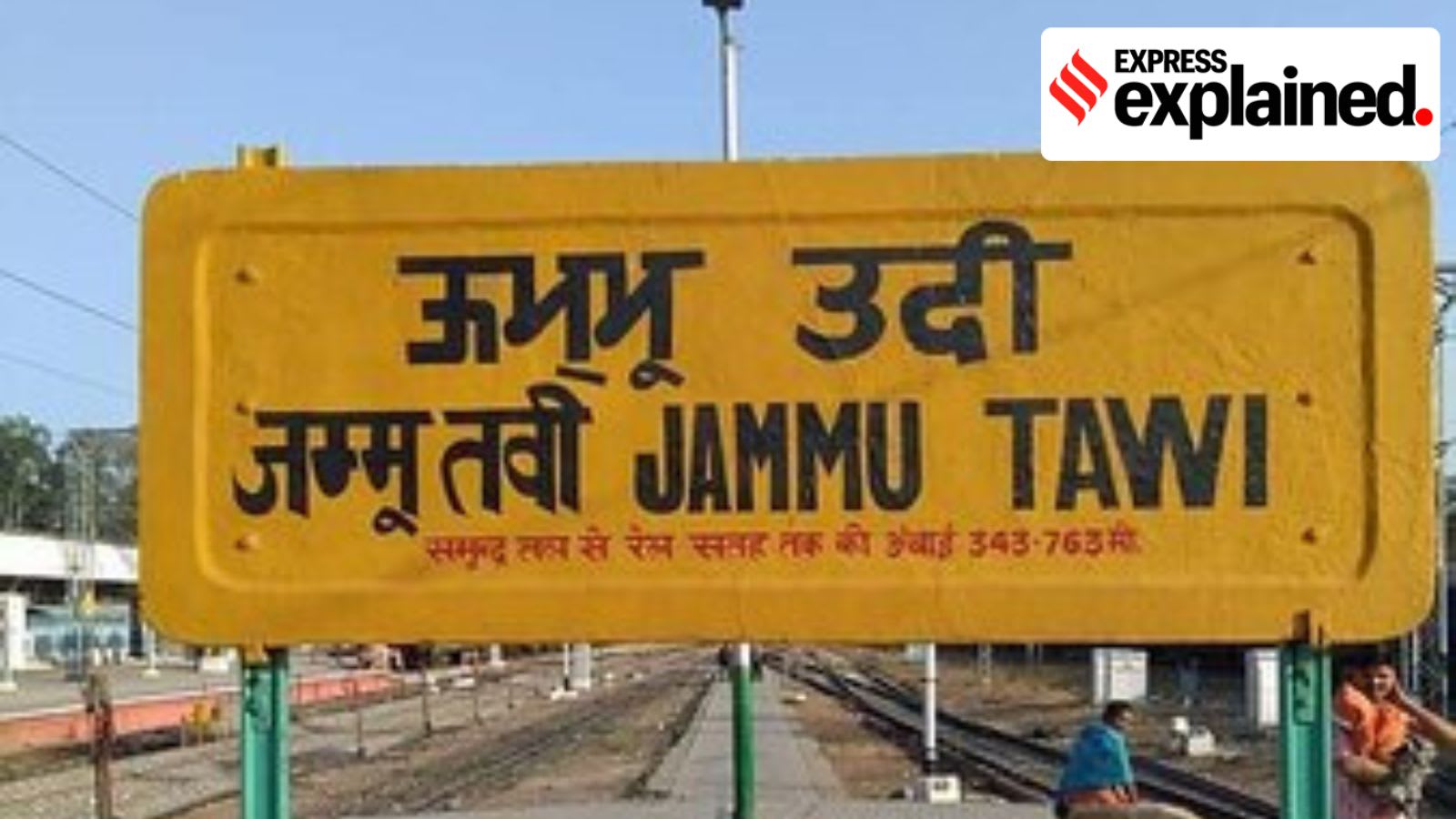
The 'Spirit of Tibet' festival in India and the revival of the Dogri script in Jammu highlight significant regional efforts to preserve endangered cultural identities. Both initiatives underscore the critical importance of linguistic and artistic heritage in maintaining community cohesion amidst modern pressures.
Cultural Preservation in the Modern Era: A Dual Perspective
Cultural identity is increasingly fragile in an era of globalization, making the recent preservation efforts in India—specifically the 'Spirit of Tibet' festival in New Delhi and the revival of the 'Namey Dogra Akhar' script in Jammu—highly significant. These events represent a growing grassroots and institutional trend to safeguard heritage against the pressures of linguistic homogenization and political erasure.
The 'Spirit of Tibet' Festival: Resistance Through Heritage
The 'Spirit of Tibet' festival at the India International Centre serves as a poignant reminder of the Tibetan diaspora’s resilience. By showcasing traditional arts, such as the intricate carpet-weaving demonstrated by a 72-year-old refugee, the festival transforms personal history into a public statement of identity. The presence of a monk transcribing Tibetan script and the engagement of youth in traditional attire, like the chupa, signals a concerted effort to bridge the generational gap in cultural memory.
Political Context and Cultural Erasure
The event gained added gravity through the remarks of Sikyong Penpa Tsering, head of the Central Tibetan Administration. His criticism of China’s 'Law on Promoting Ethnic Unity and Progress' highlights the existential threat Tibetans perceive regarding their cultural continuity. By framing the festival as a defense against efforts to 'eradicate' Tibetan identity, the organizers position cultural practice as a form of non-violent political assertion, emphasizing the deep, centuries-old spiritual ties between Tibet and India.
The Dogri Revival: Reclaiming the Public Sphere
In Jammu, the movement to reintroduce the 'Namey Dogra Akhar' script onto public signboards alongside Hindi and English is a strategic act of linguistic reclamation. Dogri, an Indo-Aryan language belonging to the Western Pahari group, has historically been suppressed by the dominance of the Devanagari script. By integrating the native script into the visible public landscape, civic authorities are validating the Dogra identity and ensuring that the language remains a living entity rather than a historical relic.
Linguistic Significance and Future Trends
The revitalization of the Dogri script is not merely a nostalgic exercise; it is an assertion of regional heritage within the broader Indo-European language family. This trend of 'visible language'—where scripts are placed on municipal signage—acts as a powerful educational tool, normalizing the use of local scripts for younger generations and tourists alike. If these efforts succeed, they may serve as a blueprint for other linguistic communities in the Himalayas and beyond to protect their unique dialects.
Conclusion: The Future of Cultural Continuity
Both the Tibetan festival and the Dogri script revival underscore a universal truth: culture survives only when it is practiced and publicly recognized. While the former focuses on maintaining ties through a displaced diaspora, the latter focuses on reclaiming the native soil. Together, these movements highlight a robust, ongoing global dialogue regarding the necessity of cultural preservation in the face of political and social assimilation pressures.