Booted up in 1993, this server still runs – but not for much longer (2017)
Source Entity
Hacker News
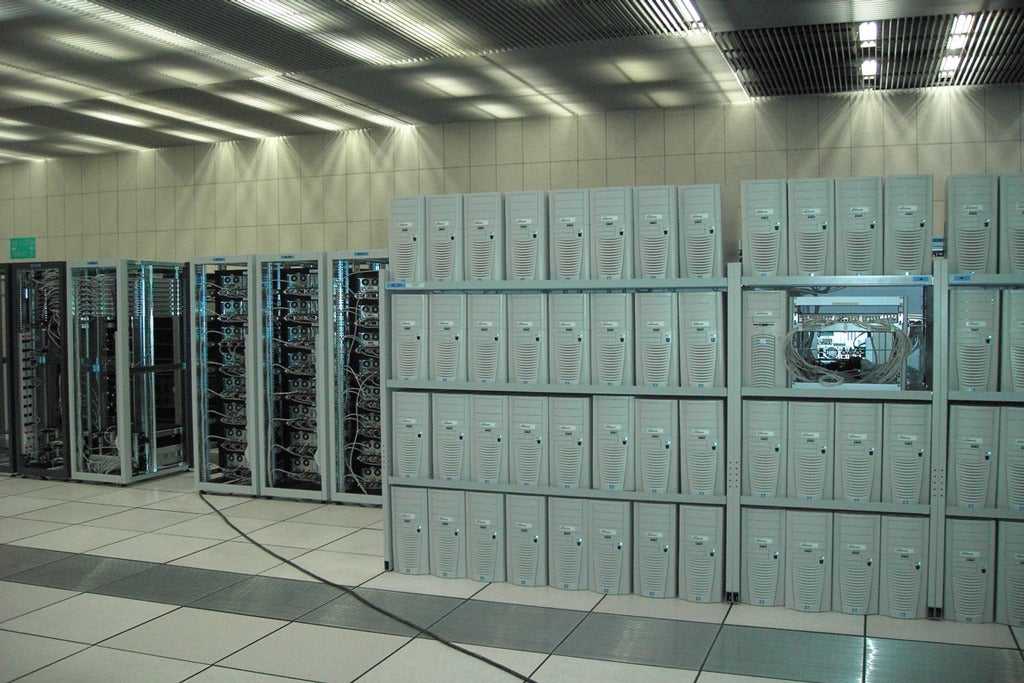
A Stratus Technologies server installed in 1993 at a Michigan steel plant has operated continuously for 24 years. Despite its remarkable longevity and fault-tolerant design, the system is finally nearing the end of its operational life.
The Legacy of the 1993 Stratus Server
In the rapidly evolving landscape of information technology, where hardware obsolescence is often measured in months rather than decades, the story of a Stratus Technologies fault-tolerant server commissioned in 1993 stands as a testament to early robust engineering. Installed during the first year of the Clinton administration—a year that also saw the release of Windows NT 3.1 and the signing of NAFTA—this machine has outlived countless technological generations, serving the Great Lakes Works EGL steel plant in Dearborn, Michigan, for nearly a quarter-century.
The Architecture of Endurance
The secret to the server's longevity lies in its fundamental design: fault tolerance. Unlike standard commercial hardware of the early 1990s, the Stratus architecture was built with high-level redundancy at its core. IT application architect Phil Hogan, who has shepherded the machine through its long tenure, notes that while peripheral components like disk drives and power supplies have been swapped out as part of routine maintenance, approximately 80% of the original hardware remains intact. This design philosophy prioritized uptime above all else, ensuring that the system never experienced an unplanned shutdown due to a hardware failure.
Historical Context and Industrial Resilience
Contextualizing this server requires looking back to 1993, a pivotal year for global trade and digital infrastructure. As the world transitioned into the era of modern computing, this server was managing critical data for the steel industry, a sector where constant operational availability is vital. The fact that this machine continued to function through various economic cycles and shifts in the steel market highlights how industrial-grade hardware, when properly maintained, can provide immense value long past its expected lifecycle.
The Challenges of Long-Term Maintenance
Maintaining a 24-year-old server is an exercise in resourcefulness. As components age and proprietary parts become unavailable, the maintenance burden shifts from simple replacement to active preservation. Hogan's role as the system’s primary custodian has involved navigating the scarcity of legacy parts, demonstrating that even the most reliable systems eventually reach a point where the cost and effort of upkeep outweigh the benefits of continued operation.
Impending Retirement and Future Trends
As we look toward the future, the inevitable retirement of this server marks the end of a unique era in computing history. The transition from such long-standing, purpose-built legacy hardware to modern cloud-based or virtualized environments is a trend sweeping across industrial sectors globally. While this server represents a triumph of hardware durability, the move toward flexible, modern infrastructure is essential for maintaining competitiveness in today’s high-speed data environment.
Conclusion
Ultimately, the Stratus server serves as a fascinating case study in the intersection of industrial stability and digital longevity. It stands as a relic of an era where hardware was built to be a permanent fixture of the infrastructure. While it is finally being phased out, its 24-year record of near-constant operation remains an extraordinary achievement in the history of enterprise computing.