Parliament Monsoon Session 2026 Live Updates: Key Bills On Public Examinations, MSMEs On Parliament Agenda Today
Source Entity
NDTV News Search Records Found 1000
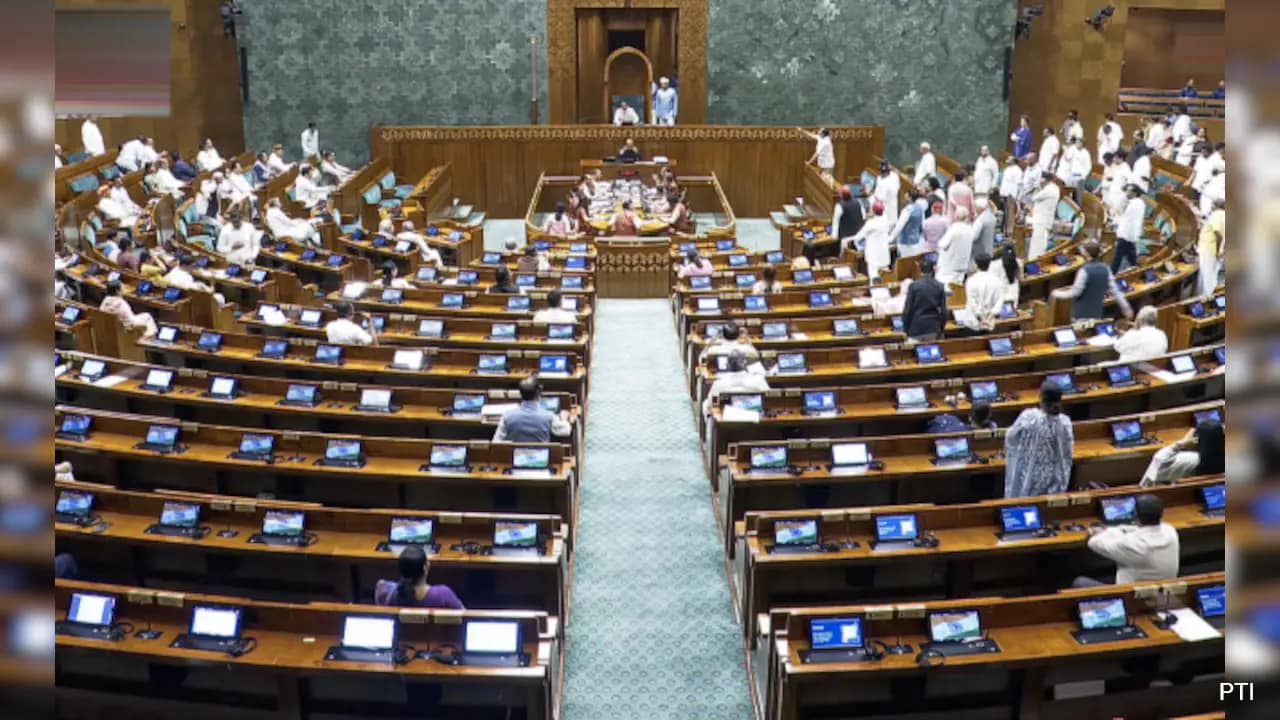
The government has introduced the 2026 anti-paper leak bill, proposing 10-year prison terms and ₹50 lakh fines to curb exam malpractice. Meanwhile, parliamentary proceedings remain stalled as the Opposition demands an apology from the Home Minister over recent student protests.
Strengthening Educational Integrity: The 2026 Anti-Paper Leak Bill
The introduction of the Public Examinations (Prevention of Unfair Means) Amendment Bill, 2026, marks a significant legislative pivot in India's efforts to secure the sanctity of its recruitment and academic examination systems. By proposing a 10-year prison term and a substantial ₹50 lakh fine, the government aims to create a deterrent effect against organized syndicates that compromise the future of the nation's youth. Union Minister of State for the PMO, Jitendra Singh, has framed this amendment as a direct response to the need for more stringent legal mechanisms, building upon the framework established by the original two-year-old law.
Legislative Reforms and Accountability
Beyond merely increasing punitive measures, the bill introduces critical structural changes, most notably the implementation of a two-month cap on investigations and statutory backing for fast-track courts. This shift is designed to address the protracted nature of legal proceedings that often leave students in a state of uncertainty for years. By accelerating the judicial timeline, the government hopes to ensure that justice is not only served but is seen to be served in a timeframe that remains relevant to the affected candidates.
The Impact of Social and Political Unrest
These legislative moves occur against a backdrop of intense civil agitation. The Cockroach Janta Party (CJP) has emerged as a central force in these protests, successfully pressuring the government to address the systemic failures in examination security. The scale of the student-led protests, particularly the July 20 march to Parliament, has had tangible political consequences, including the resignation of Union Education Minister Dharmendra Pradhan. This resignation highlights the high political stakes associated with educational governance and the government's sensitivity to public sentiment regarding youth welfare.
Parliamentary Gridlock and Opposition Demands
The legislative process has not been without significant friction. The Rajya Sabha has faced repeated adjournments, marking a sixth consecutive day of stalled business during the monsoon session. The Opposition has leveraged this platform to demand an apology from Union Home Minister Amit Shah, citing alleged police excesses during the crackdown on demonstrators. This political standoff has effectively sidelined other legislative priorities, such as the Prevention of Insults to National Honour (Amendment) Bill, 2026, illustrating the deep polarization currently defining the parliamentary environment.
Future Implications and Conclusion
As the government pushes forward with the 2026 amendment, the success of these reforms will likely depend on the synergy between legal enforcement and institutional accountability. While the proposed penalties are among the strictest in the history of Indian examination law, the ongoing friction between the executive branch and the Opposition suggests that the path to implementation will remain contentious. Moving forward, the government will need to balance its legislative agenda with the growing demand for transparency and accountability regarding the treatment of student protesters, as the intersection of youth welfare and national security remains a volatile and critical issue for the current administration.
Multiple Citing Sources
Verification Required?