What Americans are voting for in this election
Source Entity
BBC News
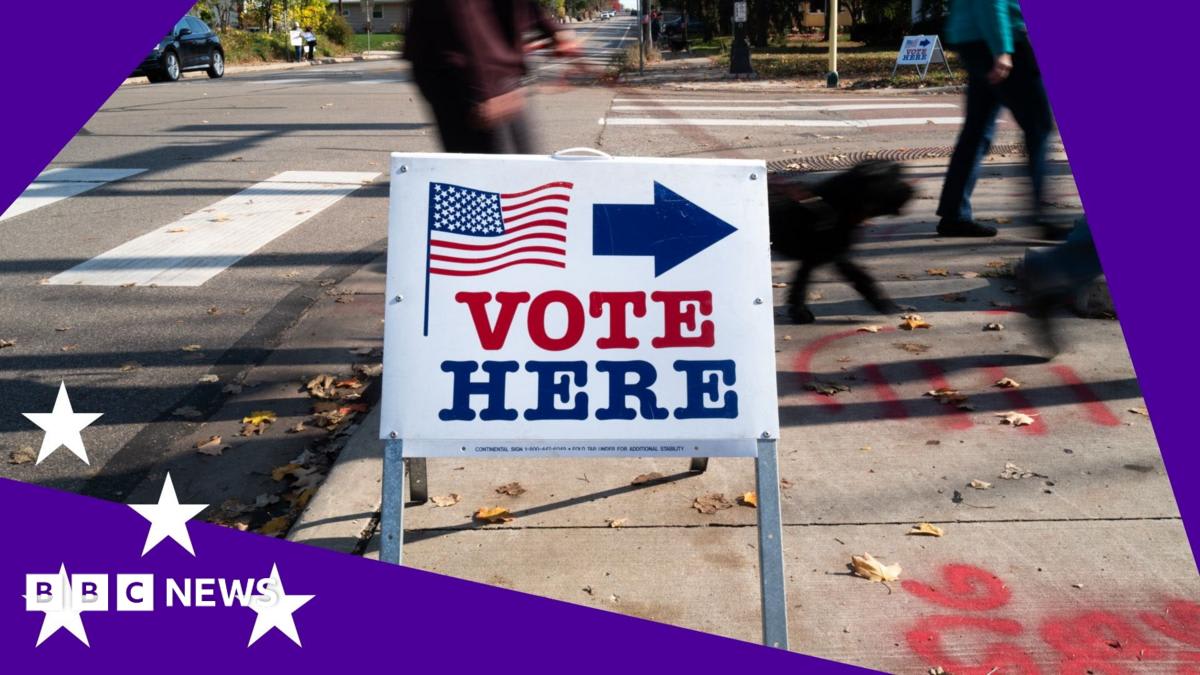
Americans are heading to the polls for the 2026 midterm elections on November 3. The outcomes will significantly determine the balance of power in Washington.
Understanding the 2026 Midterm Landscape
On November 3, 2026, the United States will conduct its midterm elections, a critical event that serves as a referendum on the current administration's performance. As reported by the BBC's Madeline Gerber, these elections are not merely routine political exercises but pivotal moments that recalibrate the legislative trajectory of the nation. Midterms traditionally serve as a mid-point check for the party in the White House, often resulting in shifts in congressional control.
The Mechanics of the Ballot
The ballot for the 2026 midterms encompasses a wide range of legislative contests. Voters will determine the composition of the U.S. House of Representatives and a significant portion of the U.S. Senate. These races are essential for establishing the legislative agenda for the final two years of the presidential term. The balance of power in Washington hinges on these results, influencing everything from judicial appointments to federal budgetary priorities and oversight capabilities.
Impact on Legislative Power
The implications of the 2026 midterms extend far beyond the individual races. When power shifts between parties in either chamber, the dynamic of governance changes fundamentally. A change in control can empower the opposition to launch investigations, block executive initiatives, or force compromises that would otherwise be impossible. Understanding what is on the ballot is crucial for voters to gauge how their local representatives will influence national policy.
Historical Context of Midterms
Historically, midterm elections have been challenging for the party currently holding the presidency. Data consistently shows that the president's party often loses seats during these cycles due to a combination of voter fatigue, economic conditions, and the tendency for the opposition party to mobilize more effectively. The 2026 cycle will be scrutinized by political scientists to see if these historical trends hold or if new electorate patterns emerge.
Future Trends and Governance
Looking ahead, the results of these elections will set the stage for the lead-up to the next presidential cycle. The legislative gridlock or cooperation that emerges from the 2026 results will define the political environment for the foreseeable future. As the electorate heads to the polls, the focus remains on how these individual choices aggregate into a national mandate that will shape the governing landscape in Washington until the next major election cycle.