28 'fighters', mostly ex-Afghan security personnel, killed after crossing from Pak
Source Entity
ABHISHEK MISHRA
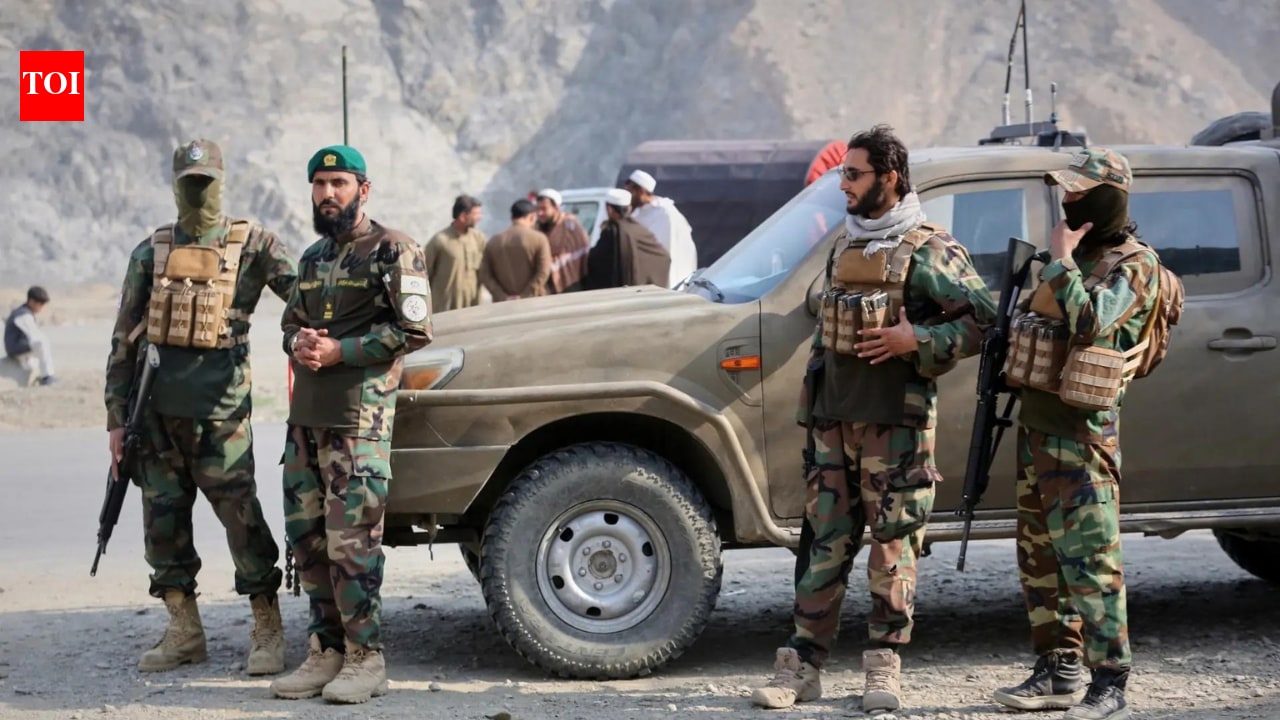
Twenty-eight fighters, primarily former Afghan security personnel, were killed after crossing the border from Pakistan into Afghanistan. This incident highlights ongoing regional instability and the complex security dynamics involving ex-Afghan military members.
Border Instability and the Fate of Former Afghan Personnel
Recent reports confirm that 28 individuals, identified as "fighters" and largely comprised of former Afghan security personnel, have been killed following a border crossing from Pakistan into Afghanistan. This event underscores the persistent volatility along the Durand Line, a region that has long served as a flashpoint for geopolitical tension and militant movement. The death of these individuals, who previously served in the Afghan security apparatus prior to the 2021 regime change, points to the precarious situation facing former military and intelligence officers who fled the country.
The Geopolitical Context of the Durand Line
The border between Afghanistan and Pakistan remains one of the world's most sensitive frontiers. For decades, it has been a conduit for displaced populations, insurgent groups, and state-sanctioned security forces. The fact that these individuals were crossing from Pakistan suggests a continuing trend of movement for those who sought refuge after the collapse of the previous Afghan government. Their return, and subsequent death, raises significant questions regarding the security environment and the reception of returnees by the current administration in Kabul.
Implications for Former Security Personnel
For former Afghan security forces, the post-2021 landscape has been fraught with danger. Many members of the former military, intelligence, and police forces were forced into exile, fearing reprisals or systematic targeting. The loss of these 28 fighters highlights the mortal risks associated with their precarious status. Whether these individuals were attempting to reintegrate, conduct operations, or were intercepted during a transit, their deaths serve as a grim indicator of the lack of safe corridors or amnesty-linked pathways for those who once stood on the opposing side of the current Afghan leadership.
Security Dynamics and Regional Tensions
The involvement of "fighters" who were formerly part of a state-sanctioned security apparatus complicates the regional security narrative. It suggests a blurring of lines between organized military remnants and insurgent-style activities. As these individuals moved across the border, they found themselves in a lethal confrontation, reinforcing the reality that the border regions are not merely geographic boundaries but active theaters of conflict where former allegiances and current political realities often result in fatal outcomes.
Future Trends and Regional Stability
Looking ahead, this incident is likely to increase scrutiny on the management of the Afghanistan-Pakistan border. If former security personnel continue to be killed in such numbers, it may trigger increased international concern regarding the treatment of displaced Afghans and the stability of the region. The inability of these individuals to navigate the border safely suggests that the mechanisms for repatriation or internal movement remain broken, potentially leading to further cycles of violence and displacement as more personnel attempt to return to their homeland.
Conclusion
In summary, the death of these 28 individuals is a stark reminder of the unfinished business of the Afghan conflict. While the specific circumstances surrounding their crossing and subsequent deaths are currently being processed by authorities in Kabul, the broader implications for regional security and the fate of former Afghan security members remain dire. Without clear diplomatic or humanitarian frameworks to address the movement of these high-risk individuals, such tragedies are likely to persist, further destabilizing an already fragile border region.