Zelensky says Russia has widened attacks to hit Ukraine's data centres
Source Entity
BBC News
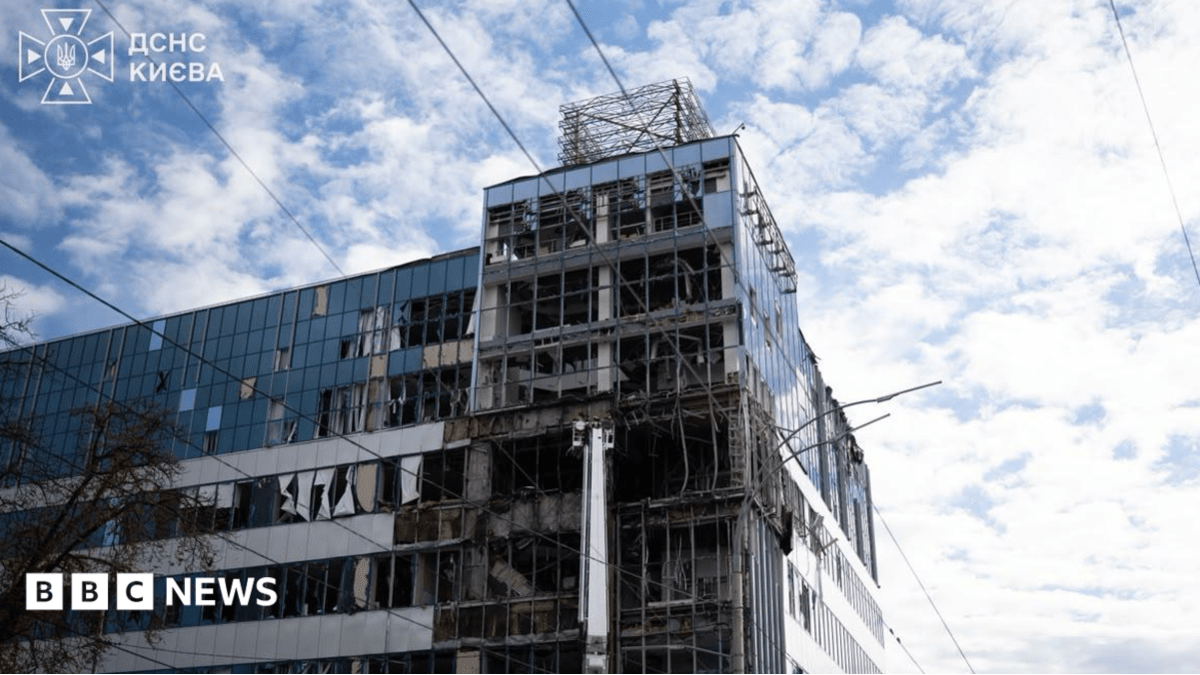
Russia has intensified its military campaign by targeting Ukraine's digital infrastructure, including data centers and internet providers. These strikes have caused widespread connectivity outages, disrupting essential services for civilians and complicating ongoing diplomatic efforts.
The Digital Frontline: Russia’s Shift Toward Cyber-Physical Warfare
Recent reports indicate a significant escalation in the ongoing conflict in Ukraine, as Russian forces have pivoted to target critical digital infrastructure. President Volodymyr Zelensky has explicitly stated that Russia is widening its operational scope to strike data centers and internet providers, an act intended to sever the digital lifeline of the Ukrainian populace. By disrupting the ability of citizens to study, work, and maintain communication, Moscow is effectively expanding the theater of war from kinetic battlefields into the essential digital services that sustain modern societal functions.
Strategic Implications of Targeting Data Centers
The tactical decision to strike data centers serves a dual purpose. For the Ukrainian state, these facilities provide the backbone for life-saving infrastructure, including the dissemination of missile and drone alerts. When these systems are compromised, the civilian population loses its primary mechanism for early warning, significantly increasing the risk of casualties during aerial bombardment. Furthermore, the disruption of internet services—which recently left approximately 100,000 households in Kyiv and the surrounding region without connectivity—forces a retreat into analog isolation, hindering the nation's capacity to coordinate humanitarian and military responses.
The Disputed Narrative of Military Utility
There exists a sharp divergence in how these strikes are characterized. Russia maintains that its targeting of data centers is a legitimate military endeavor, claiming these sites are utilized by Ukrainian military intelligence and logistics facilities. Conversely, Kyiv asserts that these facilities are vital civilian infrastructure. This cycle of destruction, exemplified by the recent drone strike on a Kyiv business center that resulted in four fatalities and severe server damage, highlights the blurred lines between military and civilian targets in modern warfare, where digital assets are increasingly dual-use.
Diplomatic Friction and Military Escalation
These attacks have occurred against a backdrop of high-stakes diplomatic maneuvering. Reports suggest the strikes intensified shortly after communications between President Zelensky and U.S. President-elect Donald Trump regarding potential avenues to slow the war. This timing leads to critical questions regarding Moscow's strategic intentions. By increasing military pressure immediately following diplomatic dialogues, it appears that Russia may be signaling a rejection of proposed energy ceasefires or a desire to consolidate territorial gains through sheer brute force before any potential negotiations can take root.
Broader Humanitarian Consequences
The impact of these strikes extends beyond data and connectivity. As seen in the city of Lutsk, where electronic public transport boards have failed, the degradation of smart city infrastructure creates profound logistical chaos. Simultaneously, in occupied territories like Oleshky, residents face extreme humanitarian crises, including food and water shortages. This combination of digital isolation and physical siege tactics represents a multi-pronged approach to destabilizing Ukrainian society, aiming to exhaust the endurance of both the military and the civilian population as the conflict enters an increasingly volatile phase.
Multiple Citing Sources