Over 300 arrested at US Embassy in London during Palestine Action protests
Source Entity
GOKUL ANKARI
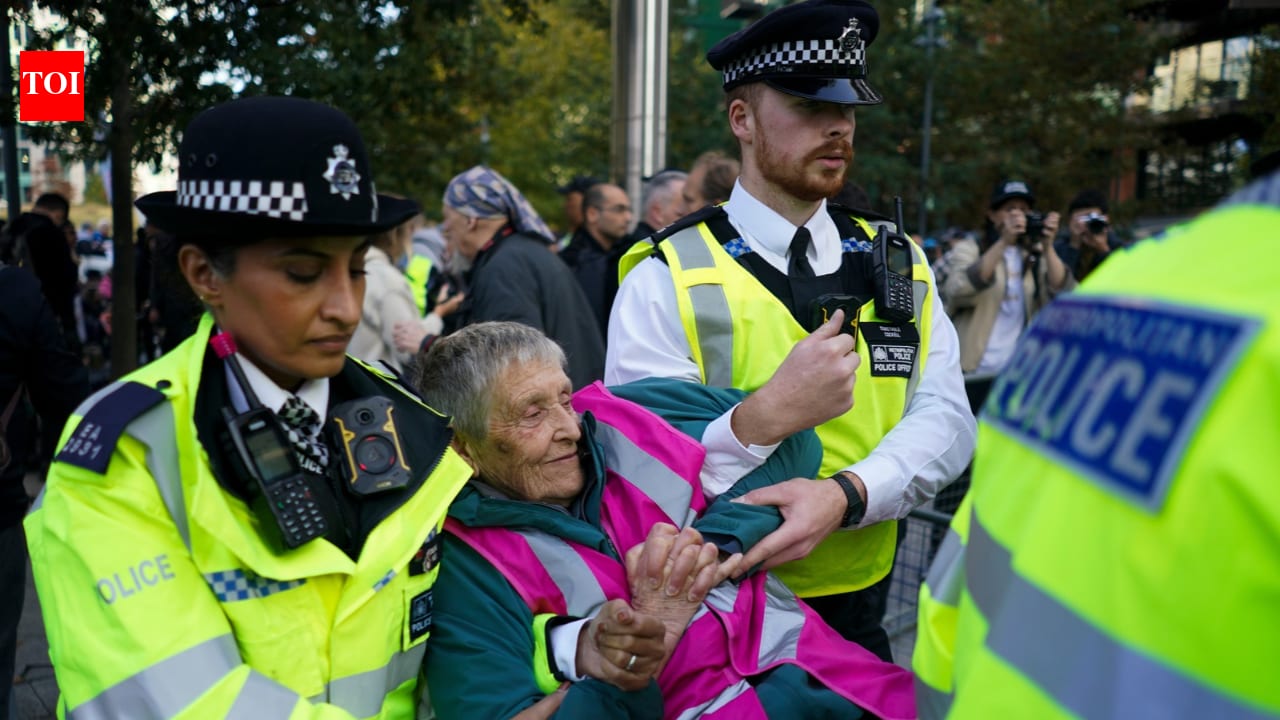
Over 300 individuals were arrested outside the US Embassy in London for supporting the proscribed group Palestine Action. The demonstration highlights ongoing legal tensions regarding the group's ban under UK terrorism legislation.
Mass Arrests at US Embassy: A Turning Point for Protest Legislation
In a significant escalation of civil unrest in London, the Metropolitan Police reported the arrest of 325 individuals during a demonstration outside the US Embassy in Nine Elms this past weekend. The protest, centered on opposition to the UK government’s proscription of the group Palestine Action, saw the vast majority of detainees—320 in total—apprehended on suspicion of expressing support for a banned organization under the Terrorism Act. The scale of this police response underscores the rigid enforcement mechanisms currently being utilized to manage public dissent regarding the Middle East conflict.
The Legal Landscape of Proscription
The legal basis for these arrests stems from the government’s decision to proscribe Palestine Action in July 2025. Since that designation, the UK authorities have taken a hardline stance against any public displays of solidarity with the group. The fact that 4,000 people have been arrested in relation to the organization since its ban demonstrates a sustained and systematic effort by law enforcement to suppress activities linked to the group, treating even symbolic support as a potential criminal offense under national security laws.
The Symbolic Nature of the Protest
Demonstrators at the Nine Elms site utilized placards bearing slogans such as "I oppose genocide, I support Palestine Action" to challenge the state's classification of their movement. By choosing the US Embassy as the venue for their protest, the participants signaled a desire to connect their local opposition to the UK government's domestic policies with broader international concerns regarding US foreign policy and its impact on the humanitarian situation in Gaza. This choice of location serves to amplify their message on a global stage, despite the immediate legal consequences faced by the protesters.
Judicial Review and Future Implications
The ongoing conflict between protest groups and the state is now moving toward a critical judicial milestone. With the UK Supreme Court set to review the ban on Palestine Action following an appeal granted to the group’s co-founder, the legal definition of what constitutes "support" under the Terrorism Act is likely to be scrutinized. This case carries significant implications for the future of civil liberties and the right to protest in the United Kingdom, as it will weigh the government's security concerns against the fundamental right to freedom of expression.
Societal Trends and Escalating Tensions
Looking forward, the trend of mass arrests at protests related to Palestine Action suggests a deepening polarization between activist groups and state authorities. As police continue to employ the Terrorism Act to clear demonstrations, the potential for public frustration to grow—leading to further confrontations—remains high. The outcome of the Supreme Court appeal will be a defining moment that either reaffirms the government’s current enforcement strategy or forces a recalibration of how the state manages dissent in an era of heightened geopolitical sensitivity.