36 railway stations in Uttar Pradesh to get high-level platforms for easier train boarding
Source Entity
Anish Mondal
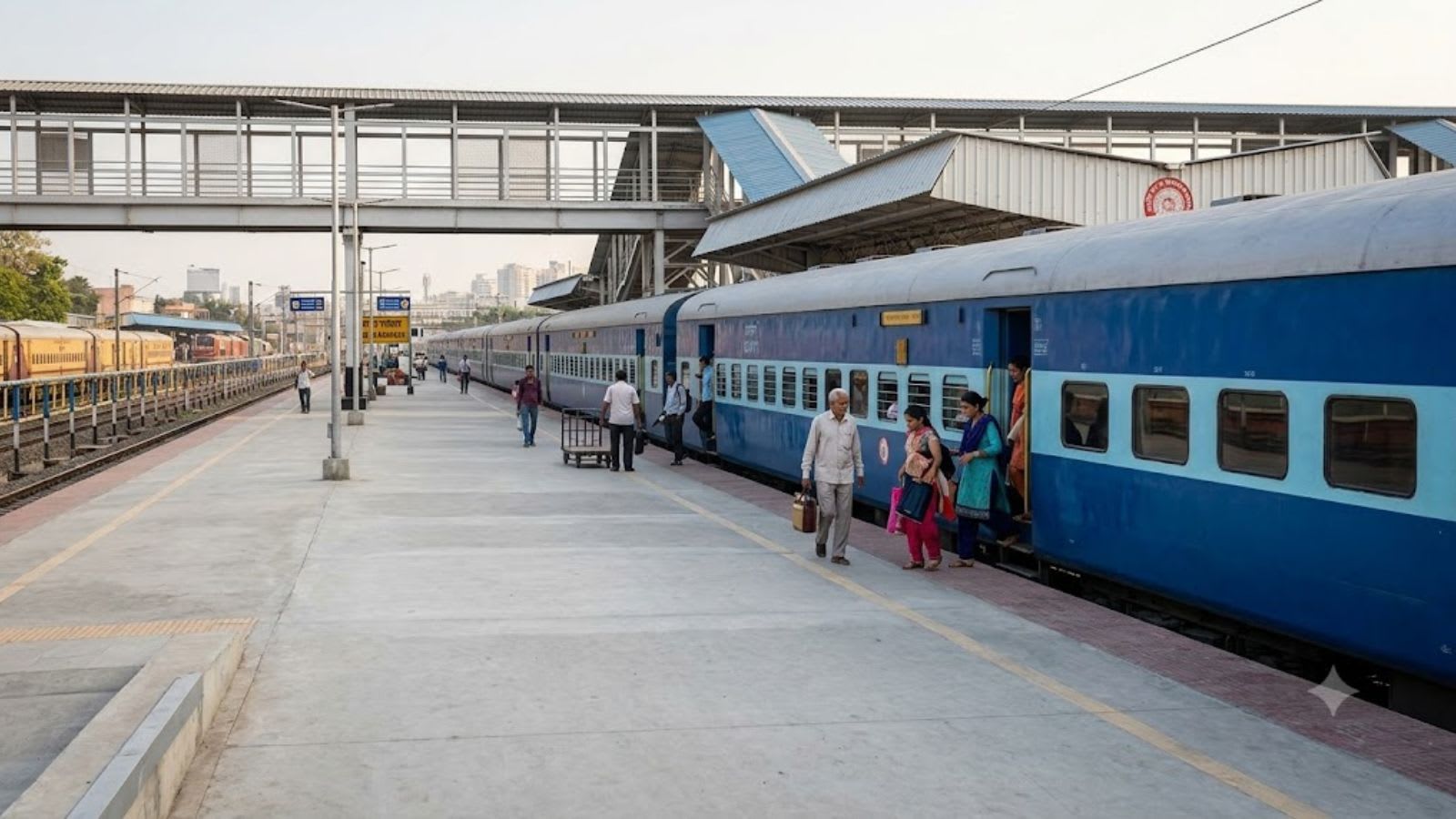
Indian Railways is upgrading 36 railway stations in Uttar Pradesh by installing high-level platforms to enhance passenger safety and boarding convenience. This infrastructure project, managed by the North Central Railway's Prayagraj Division, aims to streamline transit operations significantly.
Enhancing Rail Infrastructure: The High-Level Platform Initiative in Uttar Pradesh
Indian Railways has embarked on a significant infrastructure project to upgrade 36 railway stations across Uttar Pradesh, focusing on the construction of high-level platforms. This initiative is designed to address a fundamental challenge in passenger transit: the ease of boarding and de-boarding trains. By elevating platform heights, the railway administration aims to bridge the gap between the train coach floor and the platform surface, a critical improvement for accessibility and safety.
Administrative Oversight and Execution
The project is being spearheaded by the Prayagraj Division, which operates under the administrative umbrella of the North Central Railway (NCR) zone. This regional oversight is crucial as it ensures that the logistical demands of these upgrades are met with precision. According to official communications from the Public Relations Officer, the scope of the work extends beyond the initial target of 19 stations planned for the 2026-27 financial year, with a broader sanction covering 39 stations and 55 total platforms.
Addressing Passenger Convenience
For millions of daily commuters in Uttar Pradesh, the gap between platforms and train coaches has historically been a source of physical strain and safety concerns, particularly for elderly passengers and those carrying luggage. By standardizing platform heights, Indian Railways is aligning its station infrastructure with modern safety benchmarks. This move is part of a larger, ongoing effort to modernize station amenities and improve the overall passenger experience across the NCR zone.
Strategic Scaling of Infrastructure
While the financial year 2026-27 was the initial benchmark for the project, the decision to sanction work at a larger scale—39 stations in total—indicates an aggressive push toward infrastructure development. This expansion demonstrates a proactive approach to addressing the high volume of passenger traffic handled by the Prayagraj Division. By prioritizing these structural upgrades, the railway is investing in the long-term sustainability of its regional transit network.
Broader Implications for Rail Travel
This initiative serves as a microcosm of the wider efforts by the Indian government to revitalize the country’s railway infrastructure. Improving station accessibility is not merely a convenience project; it is a vital component of enhancing operational efficiency. When passengers board and de-board more quickly, dwell times at stations are reduced, which in turn helps in maintaining punctuality across the entire rail network. As these projects reach completion, the integration of high-level platforms will likely set a new standard for station design within the North Central Railway zone.
Conclusion
The commitment to upgrade 36 stations—with a sanctioned scope covering 39—highlights a robust development strategy within the Prayagraj Division. By focusing on high-level platforms, Indian Railways is making a tangible investment in the safety and comfort of its passengers. This systemic improvement is expected to have a lasting impact on the efficiency of rail transit in Uttar Pradesh, reflecting a broader trend of modernization across the Indian railway network.