4.9 Magnitude earthquake hits Uttarakhand, tremors felt in Delhi-NCR
Source Entity
The Indian Express
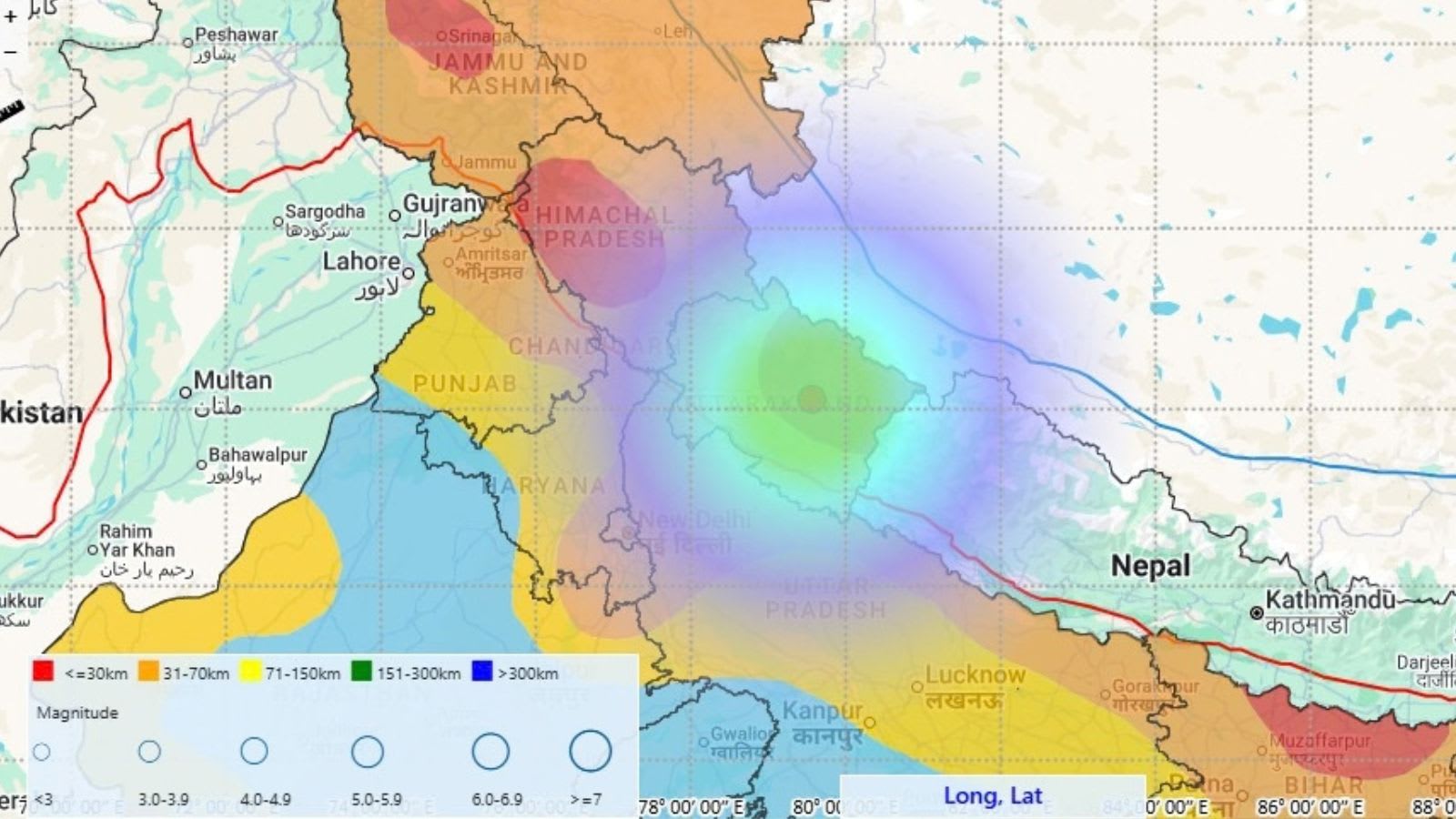
A 4.9-magnitude earthquake struck Uttarakhand's Chamoli district on Tuesday night, with tremors felt across the Delhi-NCR region. The quake occurred at a shallow depth of 13 kilometers, continuing a trend of seismic activity in Northern India.
Seismic Activity in Northern India: Understanding the Chamoli Earthquake
A significant 4.9-magnitude earthquake struck the Chamoli district in Uttarakhand on Tuesday night, sending noticeable tremors across the Delhi-NCR region. According to the National Center for Seismology (NCS), the seismic event was recorded at a depth of 13 kilometers. While the epicenter was located in the mountainous terrain of Uttarakhand, the reach of the tremors serves as a stark reminder of the region's geographical vulnerability to tectonic shifts.
Geological Context and Risk Factors
The Himalayan belt, where Uttarakhand is situated, remains one of the most seismically active regions in the world. The collision between the Indian and Eurasian tectonic plates creates immense pressure, frequently resulting in earthquakes of varying magnitudes. A depth of 13 kilometers is considered relatively shallow, which often explains why the vibrations were felt so distinctly in distant urban centers like Delhi-NCR, where high-density infrastructure can amplify the perception of ground movement.
Historical Trends in Delhi-NCR
This recent event follows a pattern of seismic activity observed in the National Capital Region throughout 2026. On January 19, 2026, residents in North Delhi experienced a 2.8-magnitude tremor originating from a shallow depth of five kilometers. The recurrence of these events highlights the necessity for ongoing vigilance. While previous tremors, such as the one recorded on April 3, 2026, resulted in no major damage, they reinforce the critical importance of seismic-resistant building codes and public disaster preparedness.
Infrastructure and Urban Resilience
For a sprawling metropolis like Delhi-NCR, even moderate earthquakes originating hundreds of kilometers away in the Himalayas can cause widespread anxiety. The high density of population and the age of certain structures necessitate a robust approach to urban planning. As seismic data is continually reviewed by agencies like the NCS, the focus remains on monitoring "nearby seismicity" to better understand the stress accumulation along local fault lines.
Future Implications and Preparedness
Looking forward, the frequency of these tremors serves as a call to action for local authorities to prioritize structural audits of older buildings. While modern engineering in India is increasingly incorporating seismic safety, the challenge lies in retrofitting older infrastructure. Public awareness campaigns regarding "drop, cover, and hold on" protocols remain essential to mitigate risks during future seismic events.
Conclusion
In summary, the 4.9-magnitude earthquake in Chamoli acts as a natural indicator of the ongoing geological activity in the Himalayan range. While the event caused no immediate reports of major destruction, the tremors felt in the capital underscore the interconnected nature of seismic risks in Northern India. Continued investment in monitoring technology and adherence to safety standards remain the most effective tools for managing these inevitable environmental realities.