Tried to softly bend law towards justice: CJ D K Upadhyaya as he bids farewell to Delhi High Court
Source Entity
The Indian Express
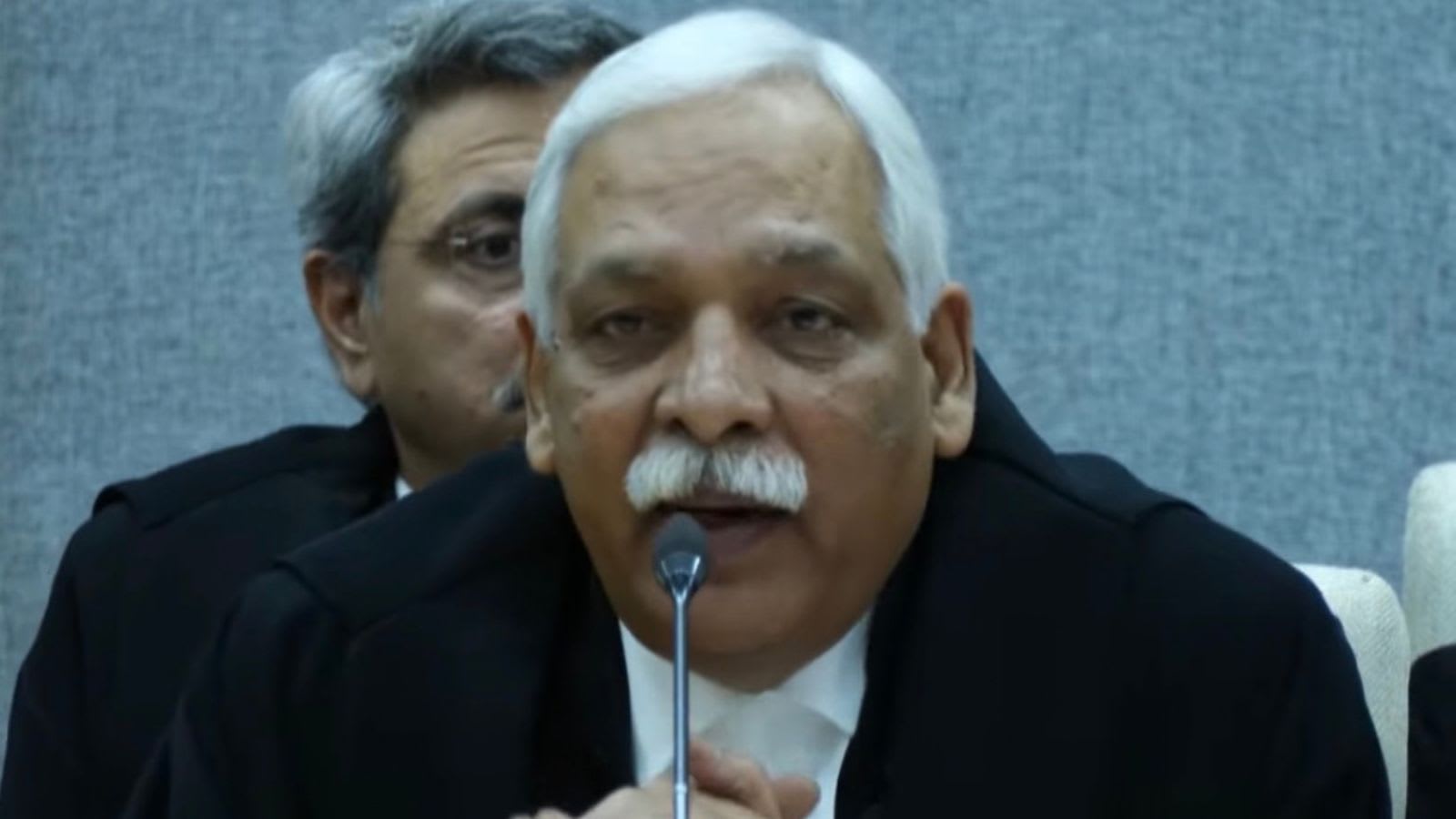
Chief Justice D K Upadhyaya has stepped down from the Delhi High Court following his elevation to the Supreme Court. Justice Nitin Wasudeo Sambre will serve as the acting Chief Justice during this transition.
A Judicial Transition in the Capital
Chief Justice D K Upadhyaya, who has served as the head of the Delhi High Court since January 2025, has officially bid farewell to the institution. His departure marks a significant transition within the Indian judiciary, as he prepares to assume his new role as a judge of the Supreme Court of India. This elevation is a testament to his tenure and the administrative oversight he provided to one of the country's most critical judicial bodies.
The Philosophy of 'Softly Bending' the Law
During his farewell address, Chief Justice Upadhyaya offered a poignant reflection on the nature of judicial duty. He remarked that he frequently sought to "softly bend the law towards justice for deserving litigants" in instances where the strict letter of the law failed to produce an equitable outcome. This philosophy highlights the tension inherent in legal systems between rigid statutory interpretation and the broader pursuit of moral justice, positioning compassion as a necessary companion to legal practice.
Balancing Law and Compassion
CJ Upadhyaya emphasized that throughout his career, he aimed to bind "justice, law, and compassion together." This approach reflects a judicial ethos that prioritizes the human element of litigation. By acknowledging the limitations of legal frameworks in addressing every unforeseen situation, he underscored the necessity for judges to exercise discretion that upholds the spirit of the law, even when the technical application might lead to a harsh or unintended result.
Historical Context and Institutional Continuity
Having originated from the Allahabad High Court, Justice Upadhyaya’s leadership in Delhi since early 2025 has been a period of steady institutional guidance. The transition of power within the Delhi High Court is managed through established seniority protocols, ensuring that the court’s operations remain uninterrupted during these shifts in leadership. This continuity is vital for maintaining public confidence in the judicial process.
Future Leadership at the Delhi High Court
Following the departure of Chief Justice Upadhyaya, the administrative responsibilities of the Delhi High Court will shift to the next in line. Justice Nitin Wasudeo Sambre, the second senior-most judge of the High Court, has been appointed to preside over the court as the acting Chief Justice. His stewardship will be critical in maintaining the momentum established by his predecessor as the court navigates its ongoing caseload.
Conclusion
The departure of Chief Justice D K Upadhyaya is more than a administrative change; it is a moment to reflect on the evolving role of the judiciary in India. By prioritizing a compassionate interpretation of the law, he has left a distinct mark on the Delhi High Court. As he moves to the Supreme Court, the legal community looks toward Justice Nitin Wasudeo Sambre to uphold the standards of justice and equity that define the institution.