‘Everyone is equal here’: 44 Dalits from 8 Gujarat districts embrace Buddhism
Source Entity
The Indian Express
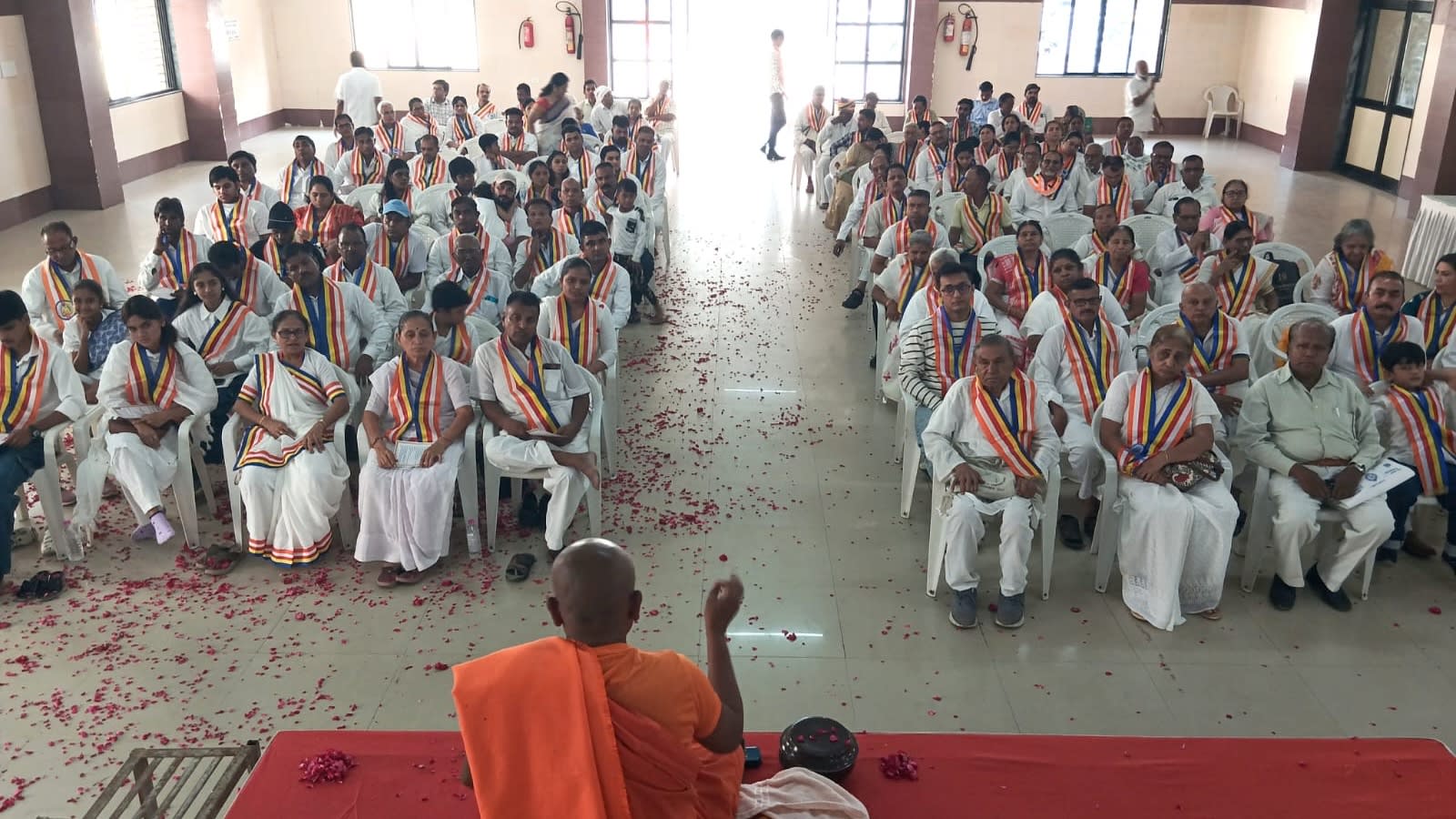
Forty-four individuals from eight Gujarat districts officially embraced Buddhism in an Ahmedabad ceremony. The event honors the legacy of Dr. B.R. Ambedkar, who pioneered mass conversions to Buddhism as a path to social equality.
A Symbolic Shift: Dalit Conversions in Gujarat
In a significant cultural and spiritual development, forty-four individuals from eight different districts across Gujarat recently embraced Buddhism during a ceremony held in the Nava Vadaj area of Ahmedabad. Organized by the Lotus Bauddh Sangh Trust, the event serves as a poignant reminder of the enduring influence of Dr. Babasaheb Ambedkar on the social fabric of India. Among those who underwent the formal conversion was 89-year-old writer and union leader Anand Parmar, whose participation highlights the generational continuity of this movement.
The Legacy of Dr. B.R. Ambedkar
The choice of Buddhism for these individuals is deeply rooted in the historical precedent set by Dr. B.R. Ambedkar, the chief architect of the Indian Constitution. On October 14, 1956, Ambedkar led a historic mass conversion at Deekshabhoomi in Nagpur, where an estimated 365,000 to 600,000 of his followers transitioned to Buddhism. For Ambedkar, this was not merely a religious change but a strategic assertion of dignity and equality, rejecting the caste-based hierarchies that had historically marginalized Dalit communities. By formalizing their status, these 44 participants are engaging in a tradition that views Buddhism as a vehicle for social liberation.
Intellectual and Personal Commitment
For participants like Anand Parmar, the ceremony served as a formal acknowledgment of a long-standing personal conviction. Parmar, a dedicated intellectual who has translated major works regarding Ambedkar’s life and philosophy from Hindi to Gujarati, noted that the official conversion felt like a technicality, as he had lived according to Buddhist tenets for years. His involvement underscores that these conversions are often the culmination of extensive study and deep-seated ideological alignment rather than sudden, impulsive decisions.
Broader Socio-Political Implications
The act of religious conversion among the Dalit community in Gujarat carries significant weight within the contemporary Indian political and social landscape. It reflects a continued quest for an identity rooted in equality—a core tenet of the Buddhist faith as practiced by Ambedkar’s followers. By organizing such ceremonies, groups like the Lotus Bauddh Sangh Trust provide a platform for individuals to publicly declare their rejection of systemic social stratification and embrace a philosophy that emphasizes human equality.
Future Trends and Cultural Continuity
Looking forward, the persistence of these conversion ceremonies suggests that the influence of Ambedkarite thought remains a potent force in Indian civil society. As younger generations continue to explore the history of the Constitution and the socio-religious movements that shaped it, the transition to Buddhism is likely to remain a relevant form of expression for those seeking to challenge traditional social hierarchies. The event in Ahmedabad demonstrates that the movement initiated in 1956 is not a static historical footnote, but an evolving practice that continues to attract followers across different age groups and regions.
Conclusion
The conversion of these 44 individuals in Gujarat is a profound testament to the power of ideological heritage. By aligning themselves with the path chosen by Dr. Ambedkar, these participants reaffirm their commitment to a life defined by the principles of equality and social justice. As they navigate their new formal identities, their actions continue to highlight the ongoing relevance of religious and social reform movements in modern India.