51 Indias killed in Russian Army, 139 discharged; MEA says talks on with Moscow
Source Entity
PRISHA PATNAIK
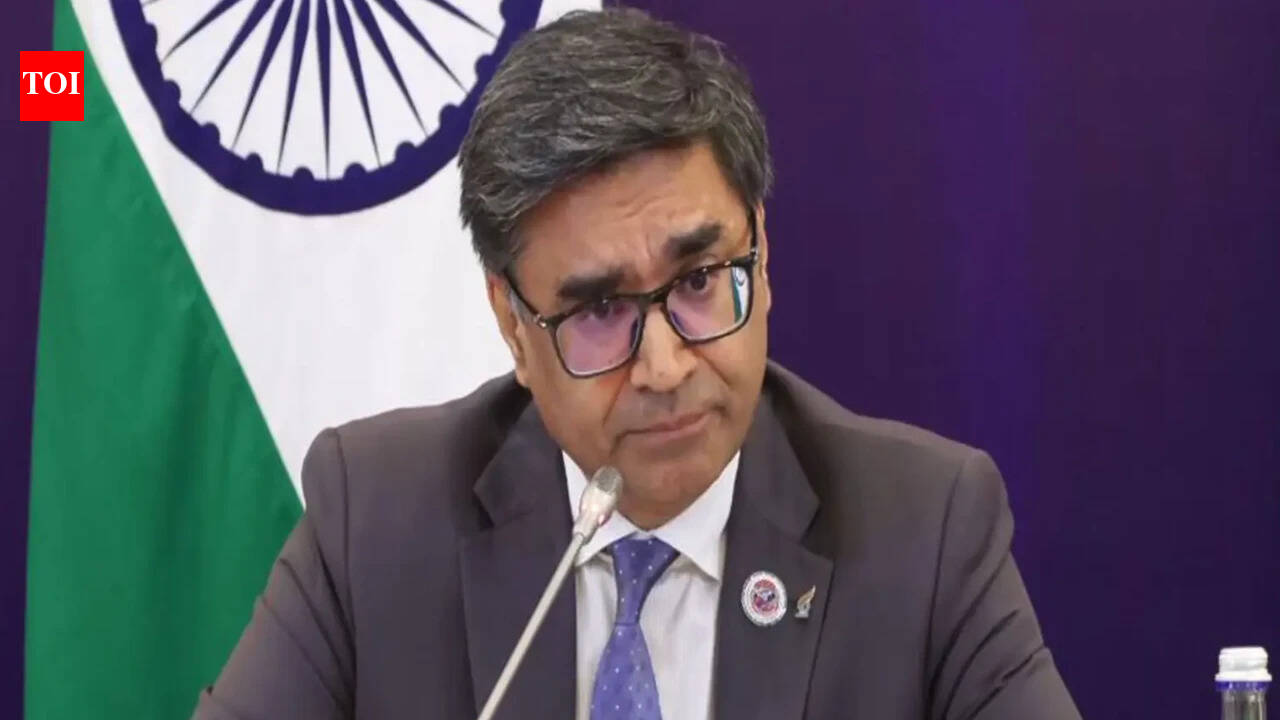
The Indian government has confirmed that 51 Indian nationals recruited into the Russian army have died, while 139 have been discharged. Efforts remain ongoing to secure the repatriation of the remaining citizens still serving in conflict zones.
The Crisis of Indian Nationals in the Russian Military
Recent reports confirm a sobering reality regarding the involvement of Indian citizens in the ongoing Russia-Ukraine conflict. According to official statements from the Ministry of External Affairs (MEA), 227 Indian nationals were recruited into the Russian armed forces, a situation that has prompted intense diplomatic engagement between New Delhi and Moscow. The human cost of this recruitment is significant, with 51 confirmed deaths among these recruits, marking a tragic escalation in the diplomatic challenges faced by India.
The Diplomatic Response
Foreign Secretary Vikram Misri highlighted that while 139 individuals have successfully secured their discharge, the government continues to work tirelessly to repatriate those who remain. These discussions are part of a broader diplomatic effort to ensure the safety and return of Indian citizens who were allegedly misled into these roles. The MEA’s proactive stance underscores the gravity with which the Indian government views the safety of its diaspora, even in volatile conflict-ridden zones.
Contextualizing the Recruitment
The recruitment of foreign nationals into the Russian military has been a subject of international scrutiny since the onset of the war. Many of these individuals were reportedly lured by promises of high wages or civilian support roles, only to find themselves integrated into combat operations. This specific instance involving Indian citizens highlights the dangers of human trafficking and deceptive recruitment practices that exploit individuals from developing nations seeking better economic opportunities abroad.
Challenges in Repatriation
Securing the release of citizens from a foreign military during an active war is a complex geopolitical maneuver. It requires delicate negotiations that balance sovereignty, military obligations, and humanitarian concerns. The fact that 139 individuals have already been discharged suggests that diplomatic pressure from New Delhi is yielding results, yet the remaining cases present ongoing hurdles, likely due to bureaucratic layers within the Russian military apparatus and the shifting nature of the front lines.
Future Implications and Policy Shifts
The loss of 51 lives has galvanized public and political discourse in India, leading to stricter advisories against seeking employment through unauthorized channels. Moving forward, the government is likely to tighten regulations on overseas recruitment agencies and increase public awareness campaigns to prevent future citizens from falling prey to similar schemes. The incident serves as a painful reminder of the risks associated with unauthorized migration for employment in conflict zones.
Conclusion
While the repatriation of the remaining Indian nationals remains a top priority for the Ministry of External Affairs, the tragedy of the 51 deceased serves as a somber conclusion to this chapter of the conflict. The ongoing dialogue between New Delhi and Moscow remains the primary mechanism for resolution, reflecting the complexities of modern international relations when domestic citizens are caught in the crossfire of foreign geopolitical struggles.