Building 7 collapse fact checked: Viral 9/11 theories about BBC report and Mossad links debunked
Source Entity
Latest News: Todays Latest News Headlines from India & World | Hindustan Times | Hindustan Times
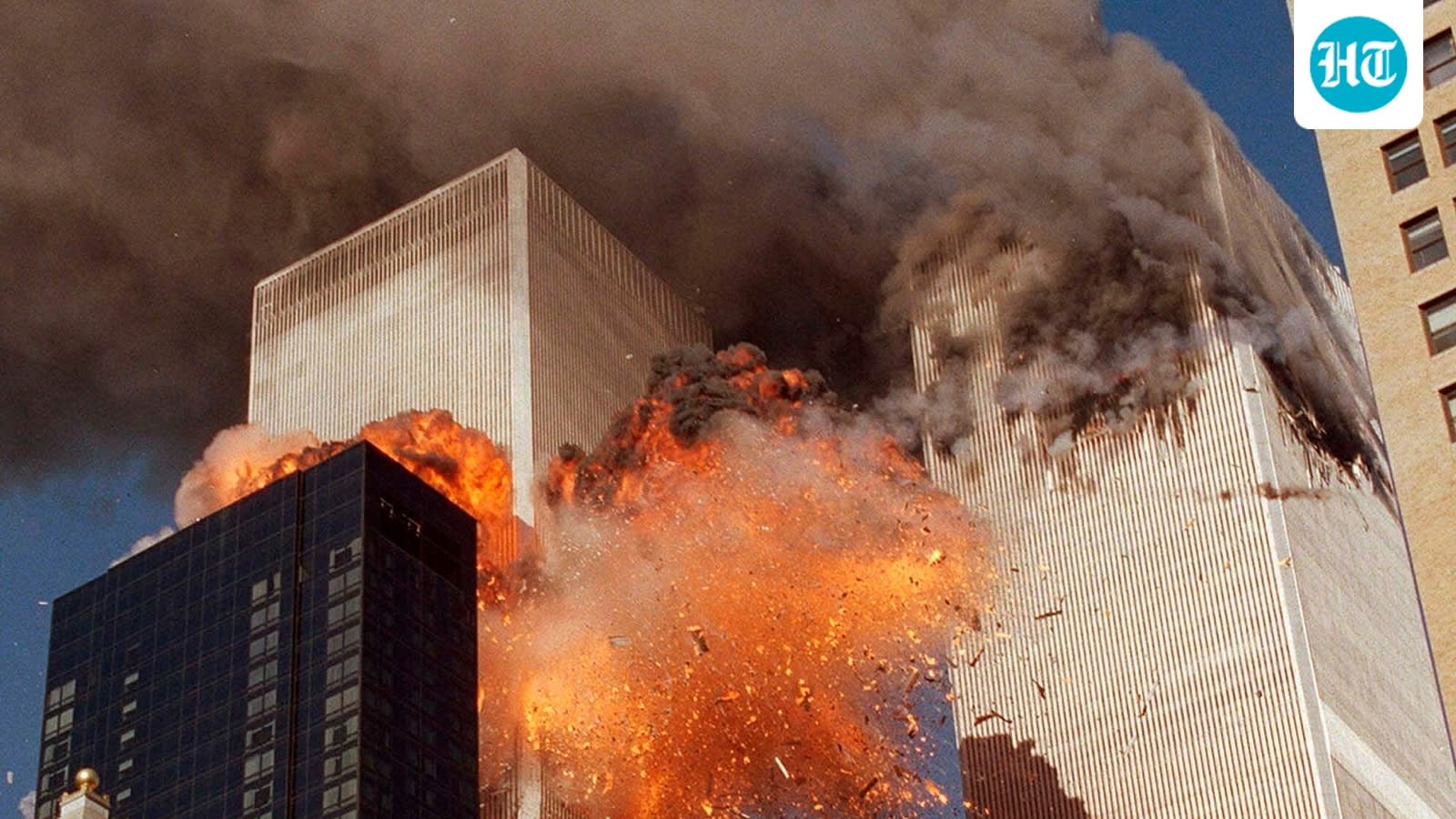
Decades-old conspiracy theories regarding the collapse of Building 7 during the 9/11 attacks are resurfacing online. Experts continue to debunk these claims by citing established engineering investigations and clarifying historical reporting errors.
The Resilience of 9/11 Misinformation
Twenty-five years after the September 11 attacks, the digital landscape remains fertile ground for the resurgence of debunked conspiracy theories. Despite exhaustive investigations by federal agencies and independent engineering bodies, fringe narratives concerning the collapse of the Twin Towers and the subsequent fall of World Trade Center Building 7 continue to circulate on social media platforms. These theories often rely on out-of-context clips and misunderstandings of structural mechanics to challenge the official historical record.
Deconstructing the Building 7 Controversy
Central to many of these persistent theories is the premature reporting by the BBC regarding the collapse of Building 7. Critics frequently cite the broadcaster's mention of the building's collapse before it actually occurred as evidence of a coordinated effort or foreknowledge. However, historical analysis clarifies that this was a result of the chaotic nature of live news reporting under extreme duress, where information was being relayed rapidly and often inaccurately by agencies on the ground, rather than a sign of a deeper conspiracy.
The Engineering Reality of Structural Failure
Official investigations, most notably by the National Institute of Standards and Technology (NIST), have provided a comprehensive mechanical explanation for the collapse of Building 7. The structure suffered significant damage from the debris of the North Tower, which ignited fires on at least ten floors. Without an automatic sprinkler system to mitigate the spread, the uncontrolled fires caused the thermal expansion of floor beams, eventually leading to a failure of internal columns and the subsequent progressive collapse of the building.
The Role of Digital Echo Chambers
The viral nature of these theories today is driven by algorithmic amplification and the tendency for social media users to seek 'alternative' explanations that fit pre-existing biases. By isolating small details—like a reporter’s mistake or a visual anomaly in amateur footage—conspiracy theorists create a veneer of investigative rigor. This trend highlights the ongoing challenge of media literacy, as complex engineering reports are often ignored in favor of sensational, easily digestible narratives.
Broader Implications for Historical Accuracy
As time distances society from the events of 2001, the shift from lived memory to digital archive makes the public more susceptible to historical revisionism. The persistence of these myths underscores the necessity for transparent, accessible documentation of past tragedies. Moving forward, the scientific community must continue to counter these narratives with clear, accessible data, ensuring that the consensus reached by experts remains the definitive account of history.
Conclusion
The enduring myths surrounding Building 7 represent a broader societal struggle with the truth in the digital age. By analyzing the intersection of human error in news reporting and the rigorous findings of structural engineering, it becomes clear that the official explanation is not merely a government narrative, but a verifiable set of physical facts. Addressing these theories requires a commitment to education and the consistent reinforcement of evidence-based discourse.
Verification Required?