Lindsay Clancy trial update: Juror breaks silence on ‘altruistic filicide’ testimony and explosive 11-1 split
Source Entity
Latest News: Todays Latest News Headlines from India & World | Hindustan Times | Hindustan Times
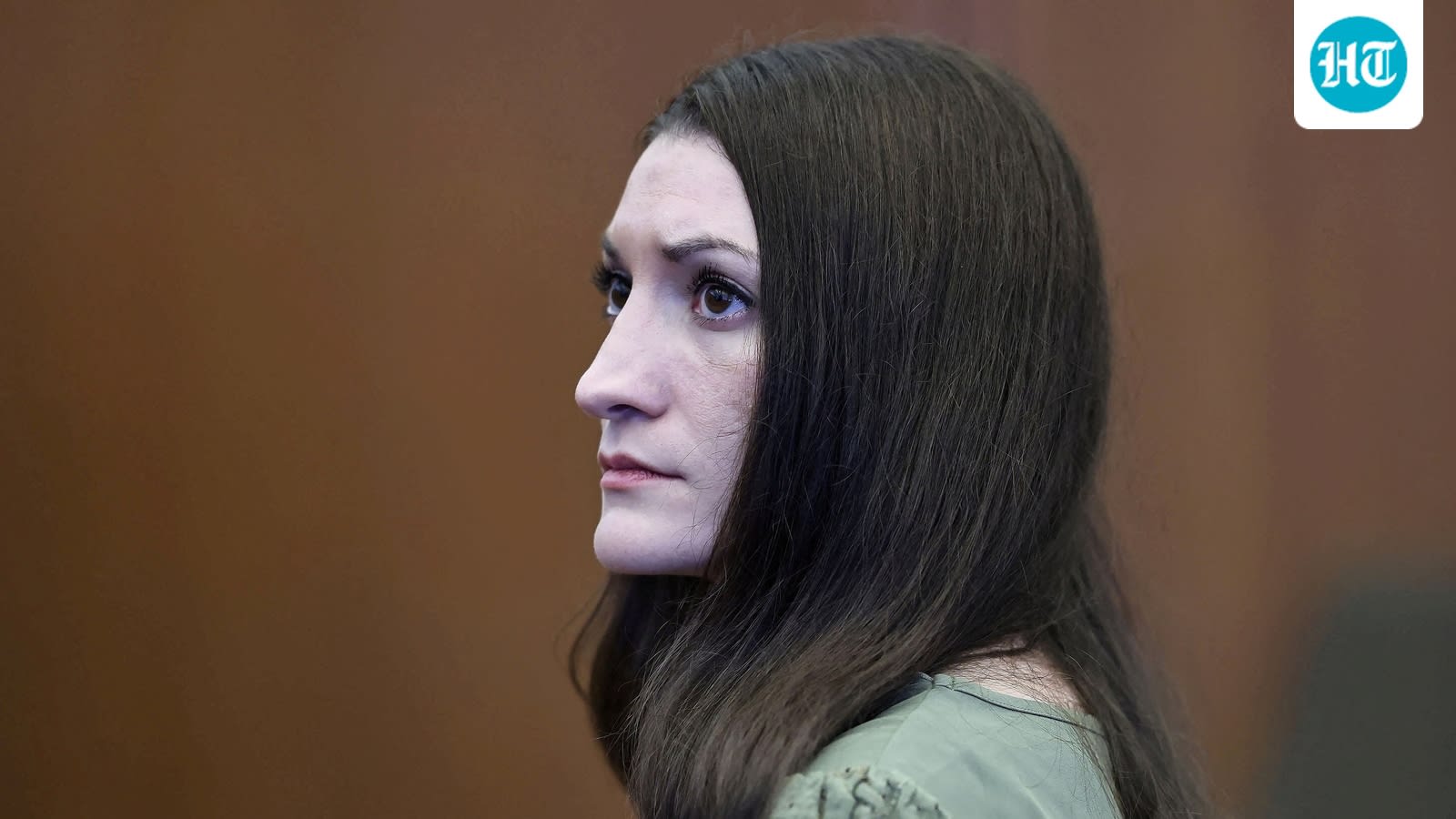
A mistrial was declared in the Lindsay Clancy murder trial after an 11-1 jury split regarding her insanity defense. Forensic testimony on 'altruistic filicide' influenced the majority, while a GiveSendGo campaign has emerged to support the single holdout juror.
The Lindsay Clancy Mistrial: A Complex Legal Crossroads
The recent declaration of a mistrial in the case of Lindsay Clancy, a Massachusetts mother charged with the murder of her three children—Cora, 5, Dawson, 3, and Callan, 8 months—has ignited a fierce public and legal debate. The proceedings, which concluded on September 4 after the jury failed to reach a unanimous verdict, hinged primarily on the defendant’s plea of lack of criminal responsibility. The resulting 11-1 split among jurors highlights the profound difficulty of balancing clinical psychiatric testimony with the rigid requirements of criminal law.
The Impact of 'Altruistic Filicide'
Central to the jurors' deliberations was the testimony of forensic psychiatrist Dr. Phillip Resnick. Juror Paula Devlin noted that Dr. Resnick’s explanation of 'altruistic filicide'—a concept describing instances where a parent kills their children under the delusional belief that they are 'saving' them from a perceived greater suffering—was pivotal. For the majority of the jury, this clinical framework provided a necessary lens to interpret Clancy’s mental state at the time of the killings, ultimately driving the 11-1 consensus toward an insanity defense.
The Role of the Holdout Juror
The trial's outcome was effectively determined by a single holdout juror who refused to join the majority in finding the defendant not criminally responsible. This individual has since become a focal point of intense public discourse. A GiveSendGo campaign has been established to support this juror, with organizers aiming to raise $100,000. Supporters of the campaign view the juror's refusal to concede as an act of resistance against what they perceive as the 'TikTok-diagnostics' of the case, reflecting a broader societal skepticism regarding psychiatric defenses in high-profile homicide trials.
Societal Tensions and Legal Precedent
This case underscores the widening chasm between clinical definitions of psychosis and public expectations of criminal accountability. While the defense leaned heavily on the narrative of postpartum psychosis and trauma, the public reaction—ranging from sympathy for the defendant to the celebration of the holdout juror as a 'hero'—demonstrates the emotional volatility of the situation. The legal system is now tasked with reconciling these competing narratives in a high-stakes environment where public opinion is increasingly polarized.
Future Implications and Procedural Outlook
The failure to reach a unanimous verdict leaves the case in a state of legal uncertainty. With a hearing scheduled for September 29, the prosecution must now decide whether to pursue a retrial. This decision carries significant weight, as it will determine whether the state believes it can overcome the influence of the 'altruistic filicide' argument or if the case will remain a cautionary tale about the complexities of applying mental health standards to tragic, violent events. The outcome will undoubtedly influence how future cases involving postpartum psychiatric crises are litigated in the Massachusetts court system.
Verification Required?