98.css
Source Entity
Hacker News
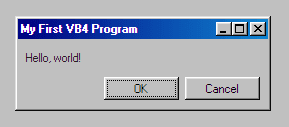
98.css is a lightweight, CSS-only library designed to recreate the classic Windows 98 aesthetic using semantic HTML. It prioritizes accessibility and modularity, allowing developers to build nostalgic user interfaces without the need for JavaScript.
The Revival of Nostalgic Computing: An Analysis of 98.css
A Return to the Windows 98 Aesthetic
98.css has emerged as a specialized design system dedicated to the faithful recreation of the classic Windows 98 user interface. In an era dominated by flat, minimalist design languages, this library offers a distinct departure, allowing developers to evoke the specific visual language of late-90s desktop computing. By focusing on the iconic gray-toned buttons, beveled edges, and specific font hierarchies of the era, the library serves as a bridge between modern web development standards and the visual history of the personal computer.
The Power of Semantic HTML
At its core, 98.css distinguishes itself by rejecting the modern trend of heavy JavaScript frameworks. Instead, the project relies entirely on semantic HTML and CSS. This architectural choice is significant; it ensures that the library remains lightweight and performant. By requiring developers to use standard elements like <button> and proper input labels, the library encourages best practices in web development. This approach proves that aesthetic complexity does not inherently require computational overhead.
Prioritizing Web Accessibility
One of the most compelling aspects of 98.css is its commitment to accessibility. Despite the retro aesthetic, the library is designed with modern inclusivity in mind. By mandating the use of aria-label for icon-based buttons and requiring labels for input elements, the project ensures that users with screen readers can navigate these vintage-style interfaces. It demonstrates that developers can pursue niche aesthetic goals without compromising the fundamental usability requirements of the modern web.
Design Flexibility and Customization
While the library provides a rigid visual framework to maintain the Windows 98 look, it remains highly flexible. The documentation encourages developers to override styles, such as adjusting padding or adding custom colors to labels, without breaking the underlying theme. This modularity allows the library to function as a base layer for creative projects, enabling developers to build interfaces that feel both nostalgic and functional for their specific use cases.
Future Trends in Web Design
The existence of projects like 98.css highlights a growing trend in 'digital brutalism' and 'nostalgia-driven design.' As modern users grow weary of overly sanitized, uniform web experiences, there is a tangible appetite for interfaces that feel distinct and possess a sense of history. Looking forward, we can expect to see more specialized CSS libraries that prioritize specific historical design eras, proving that the web is not just a place for the new, but a canvas for preserving and reinterpreting the past.
Conclusion
In summary, 98.css is a sophisticated tool that successfully balances the aesthetic requirements of the past with the technical demands of the present. By eschewing JavaScript in favor of semantic HTML and prioritizing accessibility, it stands as a model for how niche design systems should be constructed. Its success serves as a reminder that the most effective design tools are often those that provide a clear structure while leaving room for developer creativity.