Analysis: Mothers, Money And The Punjab Vote
Source Entity
NDTV News Search Records Found 1000
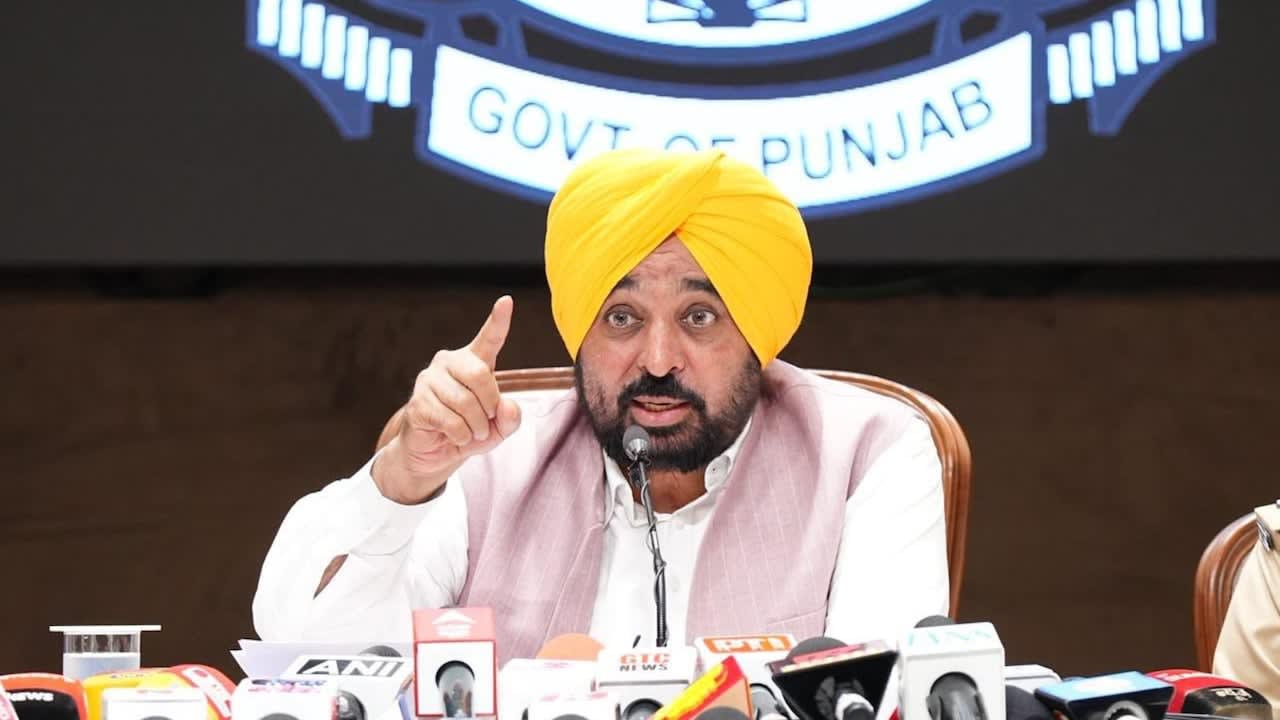
The Aam Aadmi Party (AAP) is strategically strengthening its political base in Punjab by implementing direct financial assistance programs. This approach aims to build a sustainable connection with voters through tangible economic support.
The Economics of Political Connection in Punjab
The Aam Aadmi Party (AAP) has increasingly shifted its electoral strategy toward a model centered on direct financial assistance to engage the electorate in Punjab. By prioritizing fiscal transfers to specific demographics, the party seeks to create a tangible impact on the daily lives of citizens, thereby fostering a sense of loyalty and political alignment that transcends traditional rhetoric.
Building Trust Through Direct Transfers
Direct financial assistance serves as a powerful mechanism for political mobilization. In the context of Punjab’s complex socio-economic landscape, the deployment of such funds allows the AAP to bypass traditional intermediaries, delivering support directly to households. This method is designed to address immediate economic grievances, positioning the party as an active facilitator of social welfare rather than a distant political entity.
Strategic Targeting and Voter Engagement
For the AAP, the focus on mothers and families represents a calculated effort to secure a stable and reliable voter base. By targeting financial aid toward these groups, the party effectively anchors its political narrative in the economic security of the household. This strategy recognizes that in a volatile political environment, consistent support—rather than fleeting promises—is the most effective way to maintain long-term electoral relevance.
Broader Implications for State Policy
This shift toward direct benefit transfers in Punjab reflects a broader national trend where political parties leverage state resources to build grassroots movements. While this strategy is highly effective for building immediate political capital, it also raises questions about the long-term sustainability of state budgets. The success of this model will likely depend on the party's ability to balance these welfare commitments with the overarching economic health of the state.
Future Trends in Regional Politics
Looking ahead, it is highly probable that other political actors will observe the AAP’s success in Punjab and attempt to replicate or counter this strategy. As voters become more accustomed to direct financial interventions, the competition for political support may increasingly be defined by which party can offer more robust and reliable economic assistance. This evolution marks a significant transition in how political parties in India build and maintain their influence in regional strongholds.
Verification Required?