"Consensual Extramarital Relationship": Congress MP Discharged In Rape Case
Source Entity
NDTV News Search Records Found 1000
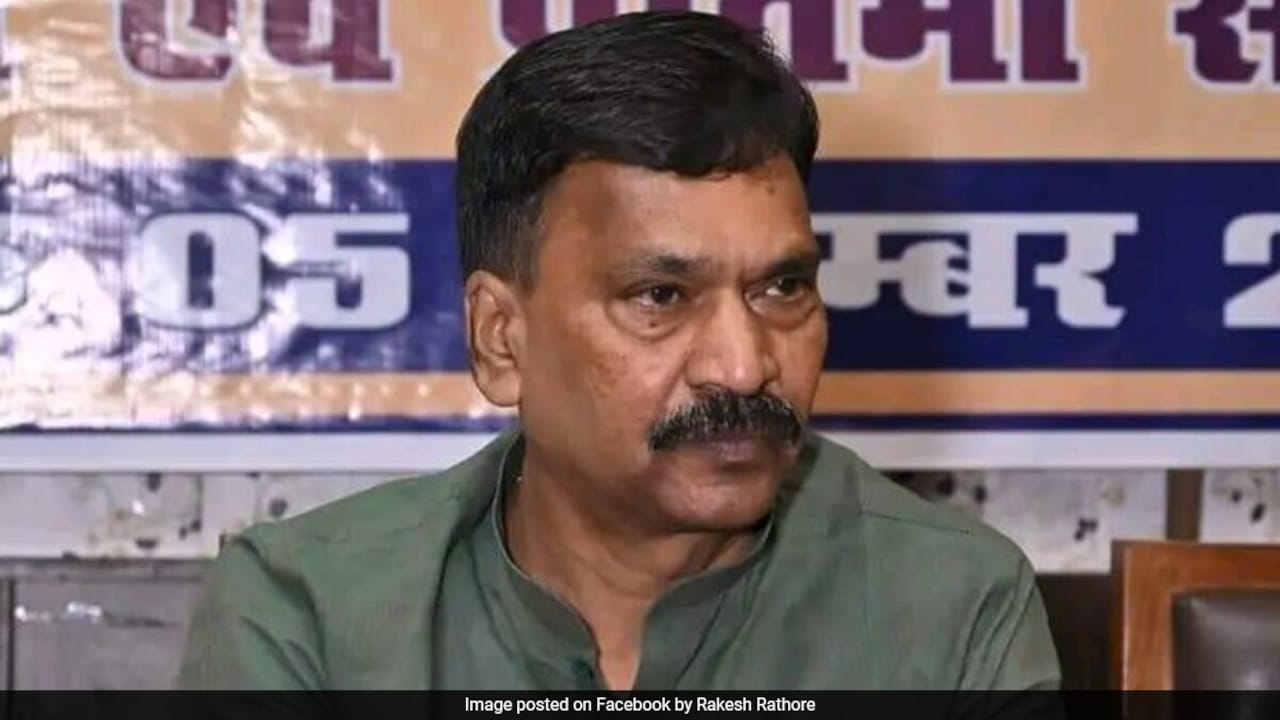
The Allahabad High Court has discharged Congress MP Rakesh Rathore in a rape case, citing evidence of a long-standing consensual relationship. Justice Subhash Vidyarthi ruled that the promise of marriage allegation did not establish prima facie grounds for the offense.
Legal Exoneration for Congress MP Rakesh Rathore
Judicial Review of the Case
The Lucknow bench of the Allahabad High Court has officially discharged Congress Member of Parliament Rakesh Rathore in a high-profile rape case that originated in the Sitapur district. Justice Subhash Vidyarthi, presiding over the matter, issued an order on Friday that set aside a previous trial court decision, effectively allowing the discharge application filed by the MP. This judicial intervention marks a significant turning point in the legal proceedings, as the court scrutinized the evidentiary foundation of the allegations brought against the legislator.
The Determination of Consent
At the heart of the High Court’s decision was a meticulous evaluation of the relationship between Rakesh Rathore and the complainant. The court observed that the material presented by the prosecution clearly indicated a long-standing consensual relationship rather than a non-consensual encounter. By identifying the nature of their association as consensual, the bench dismantled the primary basis for the criminal charges of rape, emphasizing that the legal threshold for such a severe accusation had not been met by the provided evidence.
Addressing the 'Promise of Marriage' Allegation
A critical component of the court's reasoning involved the complainant's assertion that the physical relationship was established under the premise of a promise of marriage. Justice Vidyarthi noted that, even when considering this claim, it did not satisfy the legal requirements to form a strong suspicion that an offense had been committed. The court’s stance highlights a nuanced judicial approach toward cases involving broken promises of marriage, distinguishing between personal grievances and criminal acts defined under the law.
Procedural Implications and Precedent
By setting aside the trial court’s initial order, the High Court has reinforced the necessity of clear, prima facie evidence before allowing a criminal case to proceed to trial. This ruling serves as a reminder of the judiciary's role in preventing the misuse of criminal statutes in civil or personal disputes. The discharge of a sitting Member of Parliament in such a case carries weight, as it involves the intersection of political standing and judicial scrutiny, ensuring that the legal process remains anchored in factual evidence rather than subjective allegations.
Conclusion and Future Outlook
The discharge of Rakesh Rathore concludes this specific chapter of legal litigation, providing him with relief from the ongoing accusations. As the court has found no prima facie case to proceed, the matter is effectively closed within the current judicial framework. This case underscores the importance of the judiciary’s role in balancing the protection of individuals with the requirement that criminal charges must be supported by substantial, credible evidence of non-consensual activity.
Verification Required?