Election Commission Unanimous In All Orders On Voter List Revision: Sources
Source Entity
NDTV News Search Records Found 1000
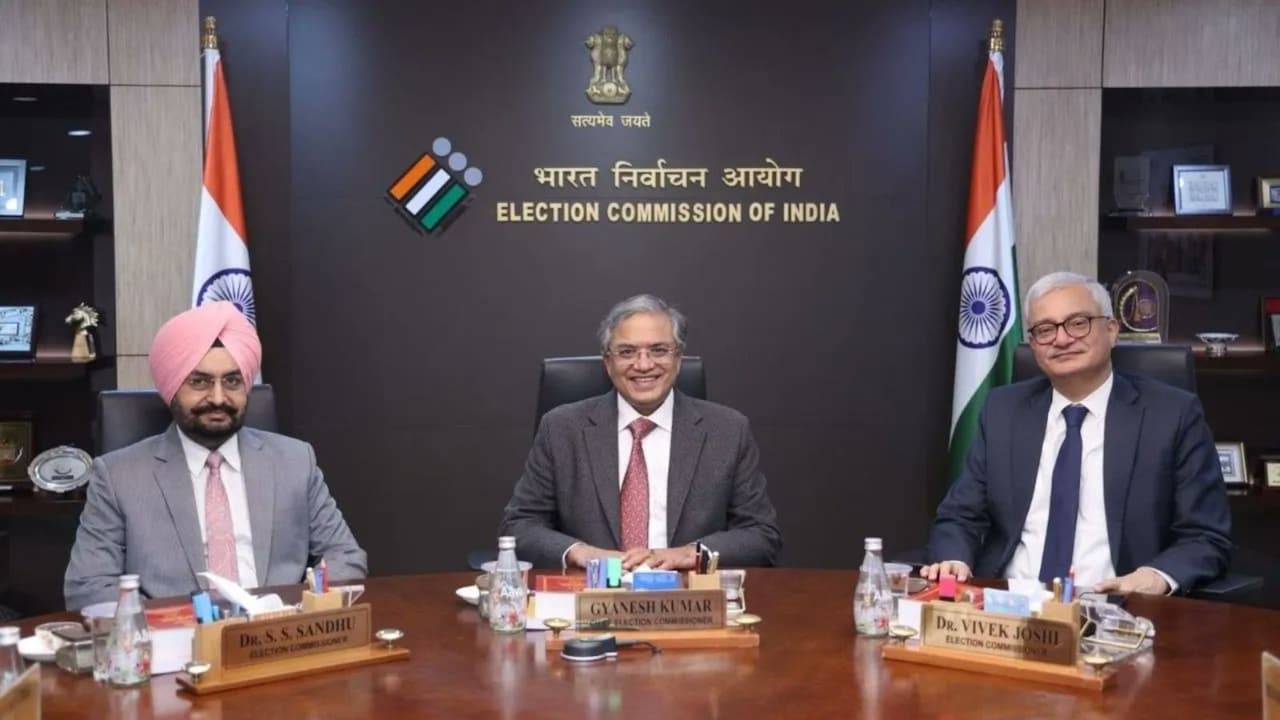
A legal petition has challenged the Election Commission's voter roll revision process, alleging unauthorized deletions and demanding a forensic audit. Meanwhile, the Commission maintains that all decisions regarding voter list updates, including those for prominent figures, have been unanimous.
The Controversy Surrounding India's Voter Roll Revisions
Recent developments concerning the Election Commission of India (ECI) have spotlighted the tension between administrative procedure and democratic transparency. A legal petition filed in the Supreme Court by lawyer Shailendra Mani Tripathi has called for a high-powered investigation into the ECI’s data management practices. The core of this challenge rests on allegations regarding the deletion of 13 crore names across 30 States and Union Territories during the Special Intensive Revision (SIR) process, raising significant questions about the integrity of the ECINet and ERONet databases.
The Demand for Forensic Accountability
The petitioner has urged the Supreme Court to constitute a Special Investigation Team (SIT) to perform an end-to-end audit of the ECI's technical and administrative infrastructure. The plea specifically targets the software modifications and directives implemented under Chief Election Commissioner Gyanesh Kumar, alleging that these changes were executed without the full concurrence of the Commission. This demand for a forensic audit highlights a growing public and legal concern regarding how digital electoral databases are governed and whether administrative actions are aligned with established constitutional protocols.
VIP Validation vs. Systematic Scrutiny
While the legal challenge persists, the ECI has proceeded with the validation of voter entries for high-profile figures in New Delhi, including External Affairs Minister S. Jaishankar, Vice President Jagdeep Dhankhar, and General Upendra Dwivedi. These individuals were issued Special Intensive Revision notices to verify their details, a process the ECI maintains is standard for all citizens. This contrast—between the meticulous verification of 'VIP' voters and the alleged mass deletion of millions of general voters—has become a flashpoint for critics who argue that the electoral system is becoming increasingly bifurcated.
Institutional Defense and Internal Harmony
In response to the growing criticism, official sources within the Election Commission have strongly refuted claims of unilateral decision-making. The ECI asserts that all orders regarding the voter list revision have been unanimous, involving the full participation of CEC Gyanesh Kumar and Election Commissioners Sukhbir Singh Sandhu and Vivek Joshi. By emphasizing institutional unanimity, the Commission seeks to project stability and mitigate the impact of the ongoing legal challenges that threaten to undermine public trust in the electoral process.
Broader Implications for Electoral Integrity
The intersection of digital database management and democratic participation is critical for the health of Indian democracy. As the ECI transitions toward more digitized systems like ERONet, the potential for administrative errors or systemic biases increases, necessitating higher levels of transparency. The outcome of the Supreme Court petition will likely set a significant precedent for how electoral bodies handle data audits and whether software-driven policy changes require more rigorous, multi-stakeholder oversight moving forward.
Conclusion
The situation reflects a complex struggle between the ECI’s administrative prerogative and the necessity for judicial oversight. While the Commission continues to manage the final voter rolls, the looming legal inquiry into the deletion of 13 crore names suggests that the debate over electoral accountability is far from settled. Ensuring that every citizen’s right to vote is protected from technical failure or administrative oversight remains the paramount challenge for India's electoral democracy.
Multiple Citing Sources
Verification Required?