HT Evening Brief Oct 15: Abhijeet Dipke gets go-ahead for CP protest; Imran Khan to challenge ‘Leave India’ notice
Source Entity
Latest News: Todays Latest News Headlines from India & World | Hindustan Times | Hindustan Times
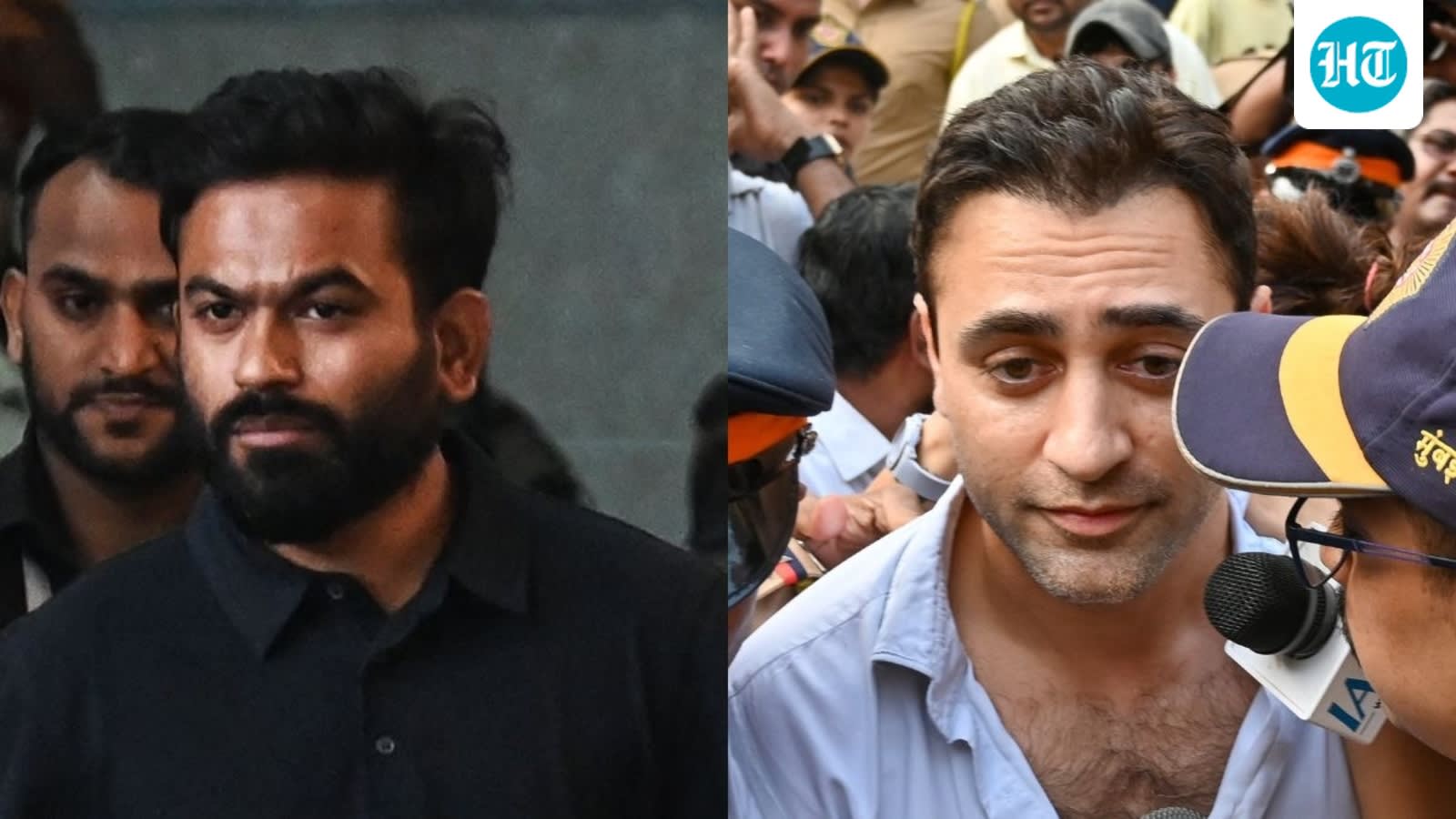
The Hindustan Times reports that authorities have granted permission for Abhijeet Dipke to hold a protest at Connaught Place. Meanwhile, former Pakistan Prime Minister Imran Khan is preparing to legally challenge a 'Leave India' notice.
Developments in Domestic and International Legal Challenges
The current news cycle features two distinct but legally significant developments: the authorization of a protest by Abhijeet Dipke at Connaught Place and the legal response from former Pakistani Prime Minister Imran Khan regarding a 'Leave India' notice. These events, reported by the Hindustan Times, highlight the intersection of civil liberties, public order, and international legal standing in the current political climate.
The Connaught Place Protest Authorization
The decision to grant Abhijeet Dipke permission to protest at Connaught Place serves as a reminder of the delicate balance between the right to assembly and the maintenance of public order in high-traffic urban centers. Connaught Place, serving as a historic and commercial hub in Delhi, often becomes a focal point for political expression. The approval of such protests necessitates a rigorous vetting process by local authorities to ensure that public safety, traffic flow, and commercial activities are not unduly disrupted.
Imran Khan and the 'Leave India' Notice
Simultaneously, the situation involving Imran Khan presents a complex geopolitical and legal narrative. The challenge against a 'Leave India' notice suggests an ongoing legal conflict involving a high-profile international figure. Such notices are typically issued under specific immigration or internal security frameworks, and the decision to legally contest them indicates a significant dispute regarding the subject's status or rights within the jurisdiction. The outcome of this legal challenge will likely be scrutinized for its implications on international relations and diplomatic protocols.
The Role of Independent Journalism
These reports underscore the vital role of news organizations like the Hindustan Times in synthesizing disparate events into a coherent narrative. By tracking both local governance issues—such as protest permits—and international legal matters, the news desk provides the public with a comprehensive view of how policy and law impact daily life. The ability to track such developments in real-time is essential for maintaining transparency in democratic processes.
Broader Implications and Future Trends
Looking forward, the trend of increased legal challenges regarding residency and public assembly is likely to continue. As governments modernize their regulatory frameworks for public demonstrations and immigration enforcement, individuals and political entities are increasingly utilizing the judiciary to assert their rights. The resolution of the Abhijeet Dipke case and the Imran Khan legal battle will serve as precedents for how authorities manage future public expressions and international legal requests.
Conclusion
In summary, the day’s headlines reflect a period of heightened legal and political activity. Whether it is the regulation of public space in India or the international legal challenges faced by foreign political figures, the common thread is the reliance on formal legal channels to resolve disputes. These events highlight the necessity for clear, consistent, and fair application of the law to ensure stability and uphold individual rights.
Verification Required?