India's collapse insurance: How Abhishek Sharma's early violence protects the innings when middle order begins to unravel
Source Entity
Latest News: Todays Latest News Headlines from India & World | Hindustan Times | Hindustan Times
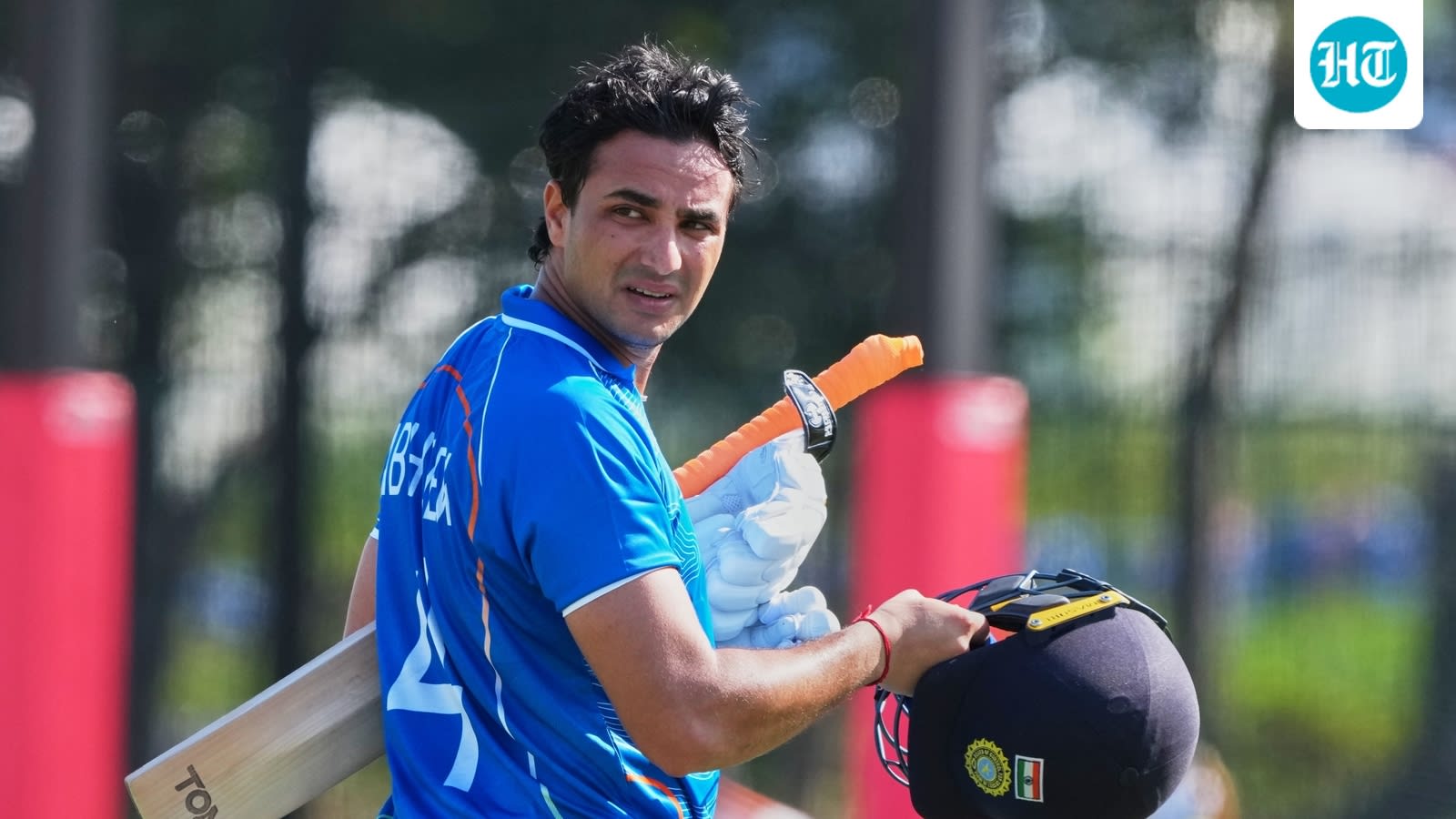
Abhishek Sharma's explosive early-innings batting provides a critical scoring buffer for India, protecting the team against inevitable middle-order collapses. His high-impact performance against Pakistan highlights his role in securing match-winning totals.
The Strategic Impact of Abhishek Sharma's Explosive Starts
Abhishek Sharma has emerged as a vital tactical asset for the Indian cricket team, particularly in high-pressure tournaments like the Asian Games. His ability to provide immediate, high-volume scoring acts as a form of 'collapse insurance.' By aggressively attacking the bowling in the powerplay, Sharma creates a significant run-cushion that allows the team to remain competitive even when the middle order experiences a loss of momentum or a cluster of wickets.
Analyzing the Asian Games Performance
In the 2026 Asian Games Gold Medal match against Pakistan, Sharma’s display was a masterclass in aggressive intent. Scoring 61 runs off just 28 balls, including seven sixes and a 20-ball half-century, he effectively took the game away from the opposition before they could settle into a rhythm. This early violence is not merely about personal statistics; it is a calculated risk that pays dividends for the collective team score.
The 'Tax' of Middle-Order Instability
Despite Sharma's heroics, the match highlighted a recurring challenge for the Indian side: the tendency for the middle order to struggle after the initial momentum fades. When Sharma was dismissed at 93/3 in 7.5 overs, Pakistan managed a tactical comeback, identifying restrictive lengths that caused India to lose wickets in chunks. This 'mini-collapse' is a phenomenon that often threatens to derail a team’s chances of reaching a 200-plus total.
Insurance Against Momentum Dips
Sharma’s primary contribution lies in the 'pre-payment' of runs. Because he accumulates runs at such a high strike rate early on, he creates a safety net. Even when the run rate dips during the middle overs due to disciplined bowling or wicket losses, the team remains in a position of strength. This buffer ensures that the team does not fall behind the required run rate, maintaining the pressure on the opposition throughout the innings.
Future Trends in T20 Strategy
Looking ahead, the reliance on high-impact powerplay specialists will likely become a standard blueprint for T20 success. As bowling units become more adept at defending during middle overs, the role of players like Sharma becomes increasingly critical. Teams that can successfully absorb a middle-order collapse through the foundation set by an aggressive opener will be the ones to consistently secure 200-plus totals in modern cricket.
Conclusion
Ultimately, Abhishek Sharma’s role transcends his individual highlights. He provides the necessary margin for error that allows the rest of the batting lineup to navigate difficult phases without the threat of total collapse. His performance against Pakistan serves as a definitive case study in how modern T20 cricket is won through early dominance and strategic run-cushioning.
Verification Required?