Vice-chancellors are writing open letters – not about NEET, NTA, but a ‘cow urine expert’ reference
Source Entity
Gautam I Menon
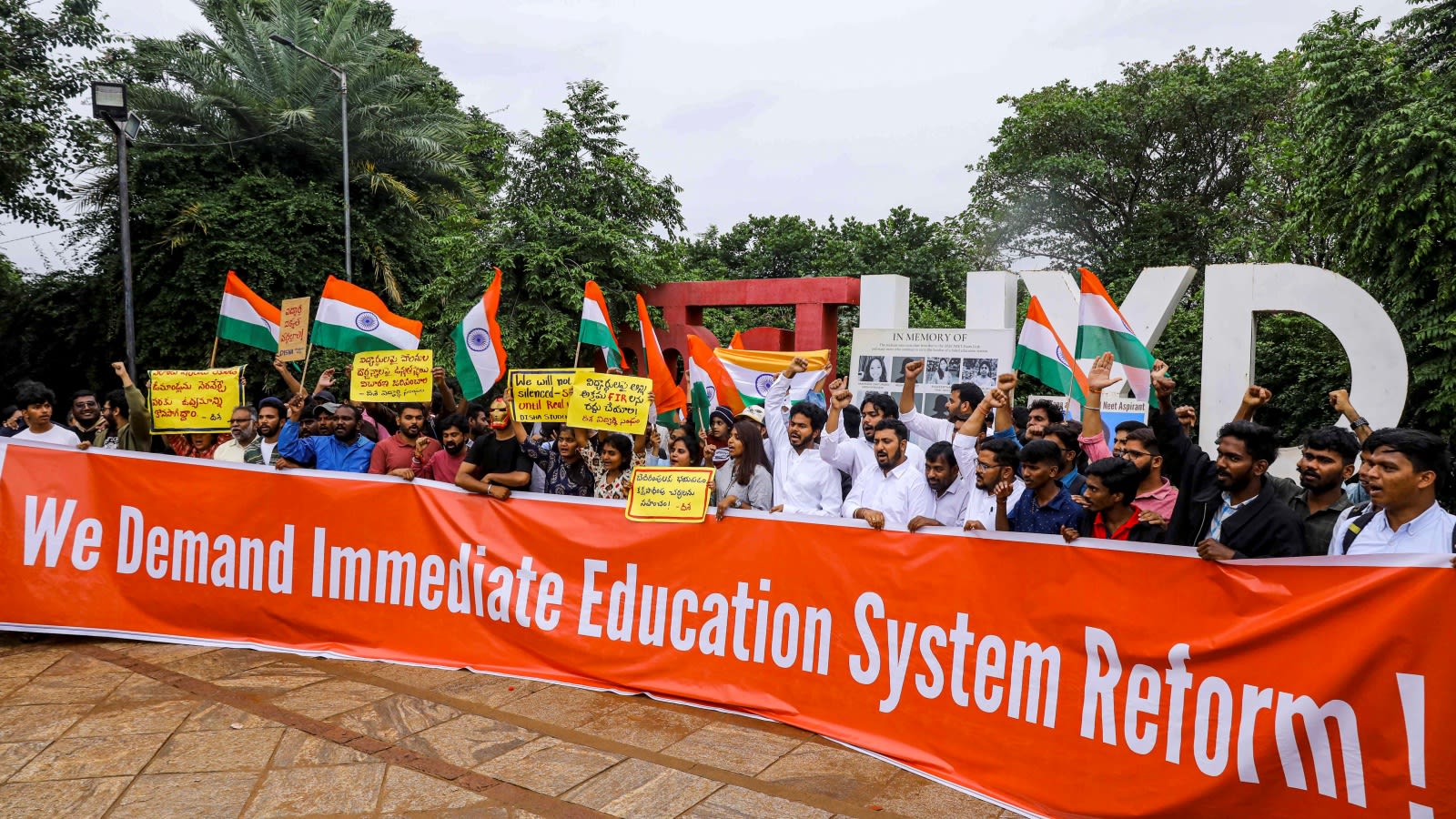
Over 200 academics have signed an open letter defending IIT Madras Director V. Kamakoti against disparaging parliamentary remarks. The incident has sparked a debate regarding the accountability of public officials and the role of university leaders in political discourse.
The Intersection of Academia and Parliamentary Discourse
In a significant development for India’s higher education sector, a coalition of approximately 215 academics, including current and former vice-chancellors, has issued an open letter to address a recent parliamentary intervention. The letter serves as a formal defense of Professor V. Kamakoti, the Director of IIT Madras, following remarks made by a Member of Parliament that referred to a “cow urine expert.” While the MP did not explicitly name the professor, the academic community has interpreted the comment as a targeted slight against the esteemed computer scientist, who is widely recognized for his leadership in national computing initiatives.
Protecting Academic Integrity
The open letter underscores a growing tension between political rhetoric and academic autonomy. By rallying behind Professor Kamakoti, these signatories are not merely defending an individual; they are asserting that the intellectual contributions of scientists and institutional leaders should be shielded from ad hominem attacks within the halls of Parliament. The academic community’s reaction highlights a collective sentiment that such disparaging references undermine the dignity of scientific institutions and the individuals who lead them.
The Role of Institutional Leadership
A critical question emerging from this protest is the capacity in which these vice-chancellors are acting. When university leaders sign such letters, it blurs the line between personal advocacy and institutional representation. This ambiguity poses a challenge for observers and stakeholders who must determine whether these letters reflect the official stance of the universities themselves or merely the private convictions of the signatories acting as individual citizens.
Broader Implications for Higher Education
This incident reflects broader concerns regarding how scientific expertise is perceived and debated in the political arena. As India continues to push for technological advancement through initiatives like those led by Professor Kamakoti, the relationship between political oversight and academic freedom becomes increasingly complex. The friction generated by this event suggests that the academic community is becoming more vocal in demanding a higher standard of decorum in legislative discussions concerning science and technology.
Future Trends in Academic Activism
Looking forward, this mobilization of over 200 academics indicates a potential shift toward more organized responses from the scientific community when faced with political criticism. As vice-chancellors and professors continue to navigate these waters, we may see the development of clearer protocols regarding how university leadership engages with political discourse. The debate over whether these leaders represent their institutions or themselves will likely intensify, forcing universities to clarify their policies on public advocacy.
Conclusion
Ultimately, the open letter is a testament to the solidarity of the Indian academic fraternity. It serves as a reminder that the reputation of institutional heads like Professor Kamakoti is inextricably linked to the morale of the scientific community. Whether or not this intervention shifts the tone of future parliamentary debates, it has succeeded in placing the issue of academic respect firmly on the national agenda.