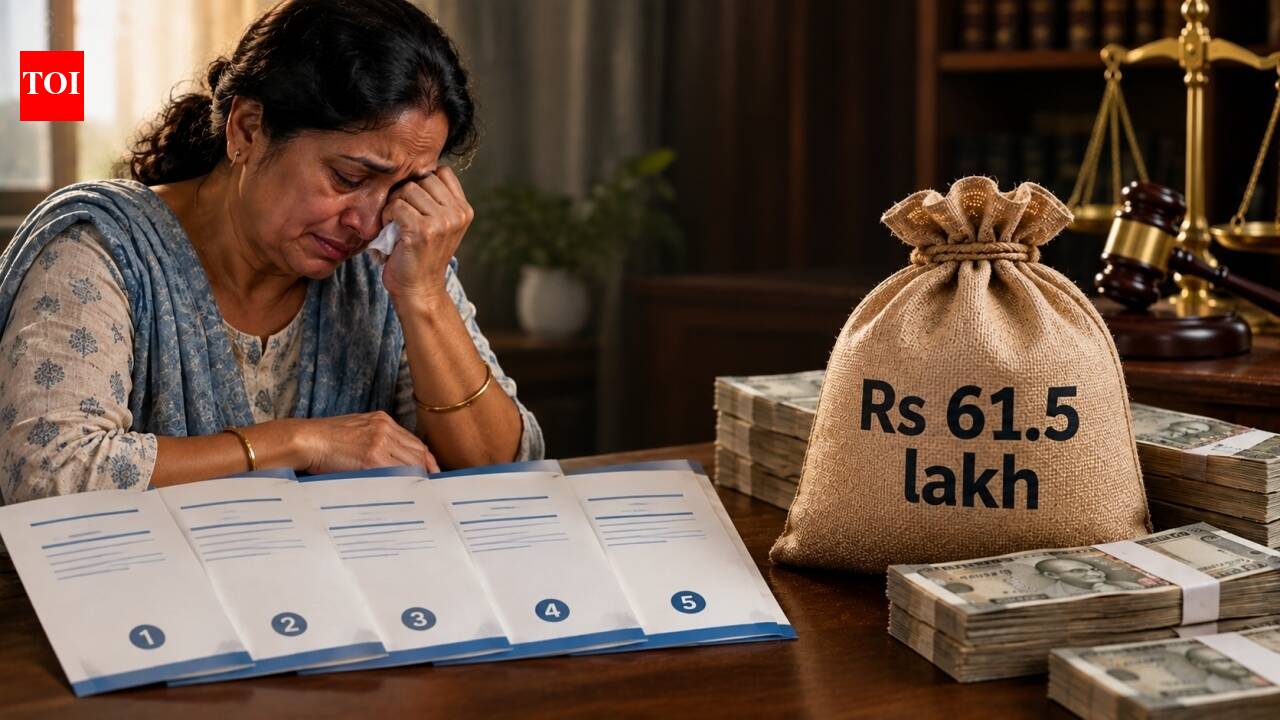
Son died in 2013, LIC rejected 5 claims over diabetes; mother wins Rs 61.5 lakh
Source Entity
TOI BUSINESS DESK
Recent consumer and human rights rulings highlight systemic accountability issues within Indian travel and service sectors. From food safety fines on the Mangala Lakshadweep Express to compensation for illegal train evictions and denied insurance claims, authorities are increasingly prioritizing passenger rights.
Strengthening Passenger Accountability in Indian Transit
The recent series of administrative and legal actions against service providers and public entities signals a growing emphasis on passenger rights and corporate accountability within India’s travel ecosystem. Whether dealing with food safety on long-distance trains, the arbitrary treatment of passengers, or the complexities of travel insurance, these incidents collectively underscore a shift toward stricter regulatory enforcement.
Food Safety and Public Health Responsibilities
In the case of the Mangala Lakshadweep Express, where 25 students fell ill, the IRCTC’s decision to impose a Rs 5 lakh fine on the food service provider serves as a critical reminder of the duty of care owed to travelers. Traveling from Hazrat Nizamuddin to Thrissur on train number 12618, the group encountered a preventable health crisis. By penalizing the vendor, the IRCTC is attempting to enforce higher hygiene standards, acknowledging that while medical assistance was provided at Khandwa and Bhusawal, the primary failure lay in the quality of service delivery.
Human Rights and Institutional Conduct
Parallel to food safety concerns, the Kerala State Human Rights Commission (SHRC) has taken a firm stance against the mistreatment of passengers by railway personnel. The directive to pay Rs 2 lakh to a woman wrongfully evicted and arrested in 2023 highlights a breakdown in professional conduct. By mandating that the compensation be paid within one month and suggesting the recovery of these funds from the erring officials, the SHRC is effectively promoting a culture of internal accountability, ensuring that public servants understand the legal repercussions of their actions.
The Role of Consumer Protection in Travel Insurance
Beyond physical transit, the financial security of travelers remains a contentious issue. The Haryana District Consumer Commission’s ruling in favor of a 73-year-old woman, who was initially denied the bulk of her medical claim for heart failure treatment in the US, demonstrates the power of consumer forums. The insurer’s attempt to use pre-existing conditions like diabetes to deny coverage was deemed an unfair trade practice. Awarding the full claim of approximately Rs 85 lakh, plus additional compensation for mental agony, reinforces the principle that insurance contracts must be honored in good faith.
Broader Implications for the Travel Sector
These developments suggest that the era of institutional immunity is waning. Whether it is a state-run entity like the Railways or a private insurance firm, the judiciary and oversight bodies are increasingly siding with the individual. This trend forces companies to audit their service protocols, from canteen hygiene to the behavior of ticket examiners and the transparency of insurance policies.
Future Trends in Passenger Advocacy
Looking forward, we can expect a more litigious and rights-conscious passenger demographic. As digital platforms continue to document service failures in real-time, public and private organizations will likely face increased scrutiny. This environment necessitates a proactive approach to service management, where transparency and prompt redressal become the standard rather than the exception. The ripple effect of these rulings will likely lead to more robust grievance redressal mechanisms across all Indian travel and insurance service providers.
Multiple Citing Sources