Addanda Cariappa protests over denial of permission for staging play
Source Entity
India Latest News: Top National Headlines Today & Breaking News | The Hindu
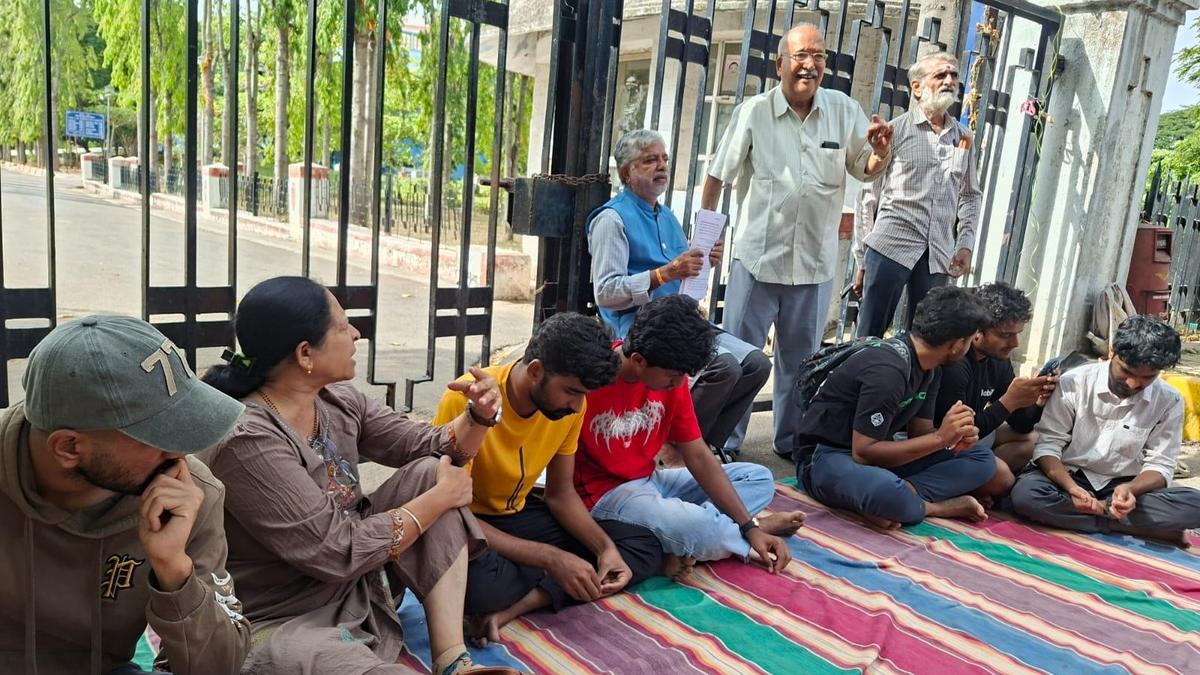
Former Rangayana Director Addanda Cariappa protested in Mysuru after the government denied permission to stage the controversial play 'Gandhi Hatyeya Satya'. Authorities cited security constraints due to overlapping Constitution Day celebrations for the refusal.
Tensions Erupt Over 'Gandhi Hatyeya Satya' Staging
A significant demonstration occurred at the Kalamandira premises in Mysuru on November 26, 2026, as former Rangayana Director and playwright Addanda Cariappa led a protest against the Karnataka government. The focal point of the contention is the state's refusal to grant permission for the performance of the controversial play, Gandhi Hatyeya Satya. The denial has sparked a direct confrontation between the artistic director and cultural authorities.
Administrative Rationale and Security Concerns
The Department of Kannada and Culture officially denied the request submitted by the Rangabhoomi Trust to stage the play at the Kirurangamandira. According to official reports, the Mysuru City Police cited an inability to provide the necessary security coverage for the event. The timing of the play coincided with elaborate security arrangements required for Constitution Day celebrations, which were also scheduled for November 26. This logistical conflict serves as the primary administrative justification for the cancellation.
Legal and Artistic Resistance
During the demonstration, Mr. Cariappa and the associated artistes actively challenged the government's stance by brandishing a copy of a High Court order. By citing judicial intervention, the protesters are signaling that they view the denial as an infringement upon their creative expression and legal rights. The act of holding the court order during the protest suggests a strategy of leveraging legal precedents to contest the state's administrative discretion in managing public venues.
Broader Implications for Cultural Freedom
The denial of permission for this specific play highlights the ongoing friction between artistic expression and public order management in Karnataka. When cultural events are perceived as controversial, the intersection of security logistics and political sensitivity often becomes a flashpoint. The government’s reliance on police resource allocation as a filter for cultural programming raises questions about the threshold for restricting public performances in state-owned facilities.
Historical Context and Future Trends
This incident is reflective of broader tensions surrounding the depiction of historical figures and political narratives in Indian theatre. Gandhi Hatyeya Satya has previously faced scrutiny, and its staging often invites polarized responses. Moving forward, such disputes are likely to continue as long as local administrations maintain tight control over the usage of state-funded cultural spaces. The reliance on judicial arbitration to resolve these conflicts suggests that the courts will remain the ultimate arbiter in the ongoing tug-of-war between the state and independent theatre practitioners.
Conclusion
The protest at Kalamandira underscores the volatile nature of staging controversial content in the public sphere. While the government maintains that the decision was based on non-negotiable security requirements for Constitution Day, the artistic community continues to view the move as an act of censorship. As both sides hold firm, the situation remains a critical case study in the governance of public art and the limitations of administrative authority in the face of legal challenges.
Verification Required?