DMK says it will back delimitation if Tamil Nadu’s 7.2% share is assured
Source Entity
Arun Janardhanan
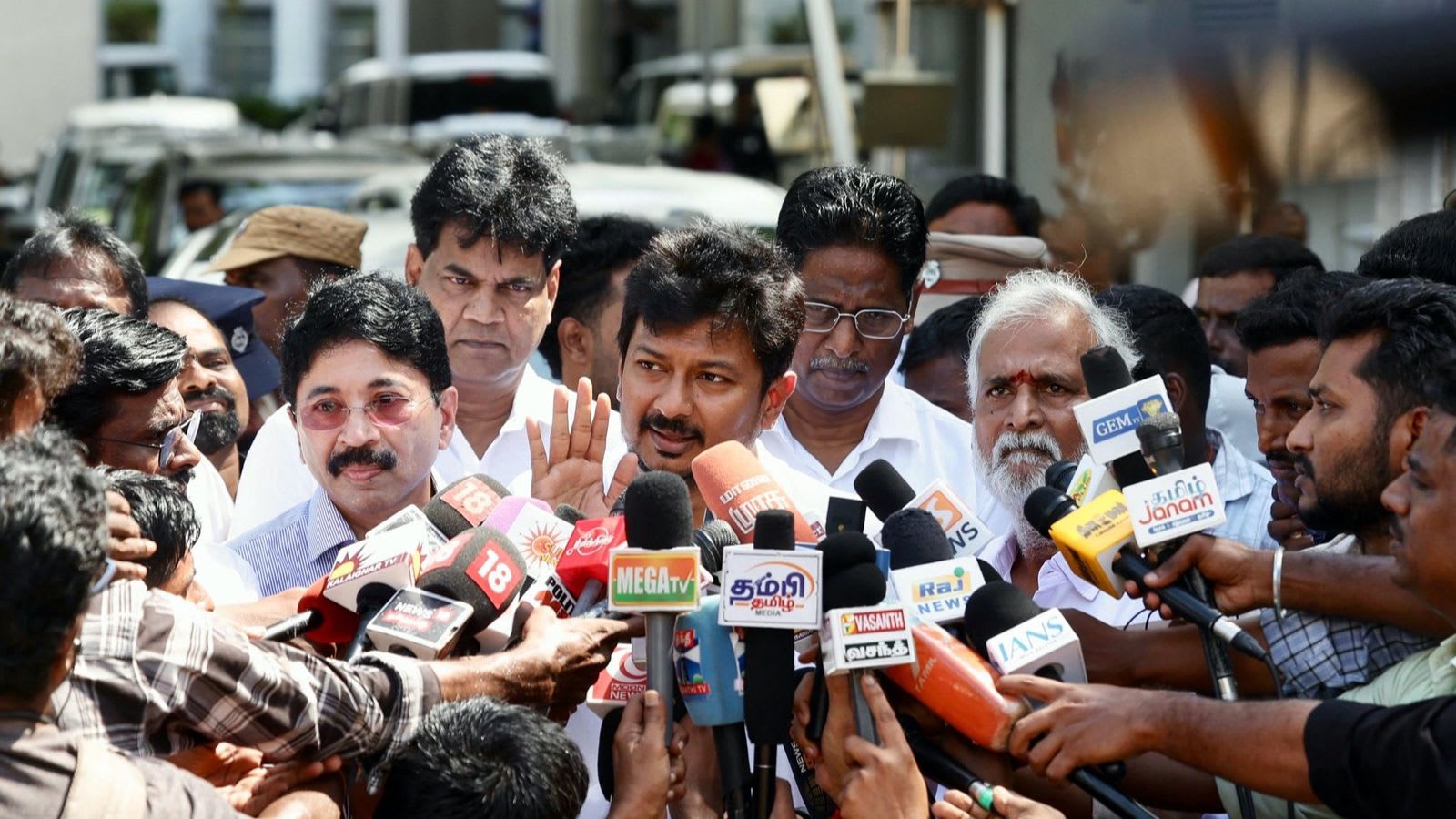
The Indian government has called for a special parliamentary session starting November 30, 2026, to revisit key legislation. The agenda focuses on the Constitution (131st Amendment) Bill, which aims to increase Lok Sabha seats and implement a 33% women's reservation.
Special Parliament Session: A Strategic Legislative Push
The Indian government has officially announced a special parliamentary session, with the Lok Sabha scheduled to reconvene on November 30, 2026, and the Rajya Sabha on December 2, 2026. This move, announced by Parliamentary Affairs Minister Kiren Rijiju, signals a determined effort to navigate essential government business, specifically targeting legislative agendas that stalled earlier this year. The session is expected to conclude on December 3, providing a narrow window for high-stakes parliamentary deliberation.
The Core Legislative Agenda
At the heart of this special session is the revival of the Constitution (131st Amendment) Bill. This landmark legislation proposes a significant structural change to India's democratic framework by increasing the ceiling of the Lok Sabha to 850 seats. Coupled with this expansion is the ambitious mandate to implement a 33% reservation for women. The government aims to finalize these changes in time for the 2029 general elections, marking a transformative shift in the composition and gender representation of the lower house.
Historical Context and Past Hurdles
The urgency of this session is underscored by the legislative failure experienced in April 2026. During that period, the 131st Amendment Bill failed to secure the necessary two-thirds majority in the Lok Sabha, representing a rare and significant setback for the NDA government since its 2014 tenure. Following this defeat, the government took the strategic step of withdrawing two linked bills—one concerning delimitation based on the 2011 census and another regarding union territories—to regroup and refine their legislative strategy.
Delimitation and Electoral Concerns
Beyond the gender quota, the session is expected to ignite intense debate over the process of delimitation. The government’s intent to link seat expansion with the latest available census data has drawn scrutiny. Opposition parties have expressed growing concerns regarding the 'Special Intensive Revision' of electoral rolls, fearing that the methodology used for delimitation could alter the political landscape in ways that disadvantage specific regions or demographics. These concerns ensure that the upcoming sessions will be characterized by rigorous, and likely contentious, cross-party debate.
Future Implications for Indian Democracy
The success of this session will have long-term implications for the Indian electoral system. If passed, the expansion of the Lok Sabha to 850 seats would be the most substantial adjustment to parliamentary representation in decades. Furthermore, the codification of a 33% women's quota would represent a monumental milestone in gender-inclusive policy. As ministers prepare for these debates, the session will test the government’s ability to build consensus and overcome the numerical challenges that stymied their progress earlier this year.
Conclusion
As the nation looks toward the 2029 polls, this special session serves as a critical juncture for the current administration. By prioritizing the 131st Amendment, the government is signaling that it remains committed to its core platform despite previous legislative setbacks. The coming days will be defined by the delicate balance between necessary constitutional reform and the imperative of addressing opposition grievances regarding electoral fairness and delimitation procedures.
Multiple Citing Sources