Adobe’s AI experiments let you walk around in photos and interview your characters
Source Entity
Jess Weatherbed
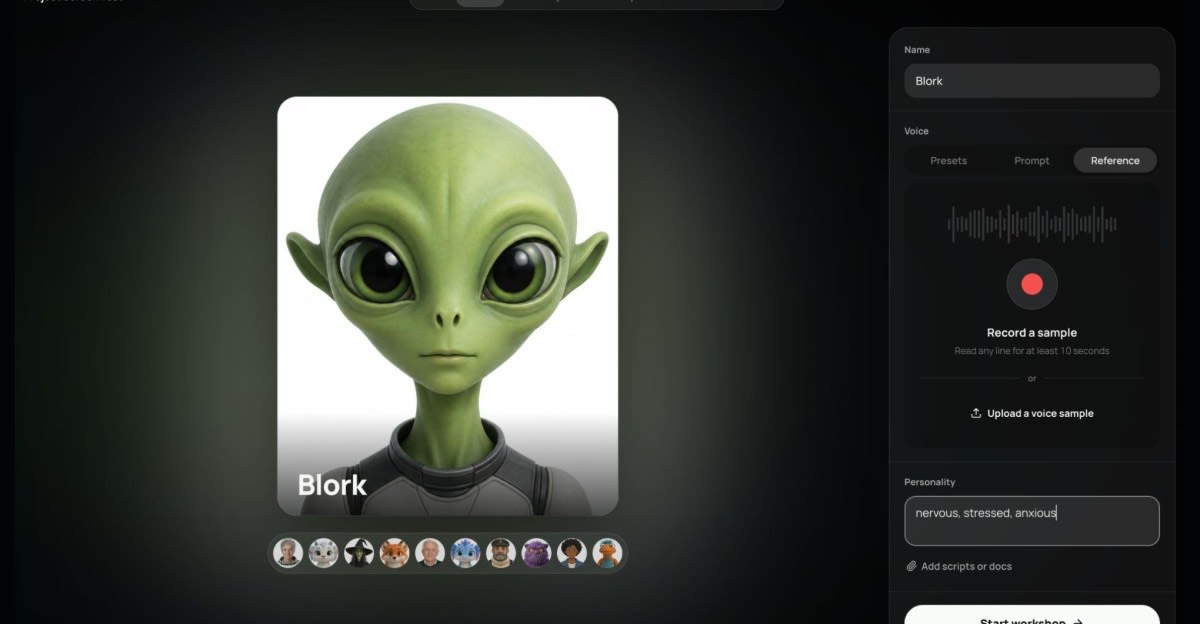
Adobe has unveiled new experimental AI tools at its annual Max conference, including features that turn images into 3D scenes and allow users to interview AI characters. These innovations aim to streamline creative workflows by shifting from traditional text prompting to conversational and interactive design processes.
Adobe Unveils Next-Generation Creative AI at Max Conference
Adobe continues to push the boundaries of generative AI at its annual Max conference, showcasing a suite of experimental features that promise to redefine how creators interact with digital media. By shifting the paradigm from static editing to dynamic, conversational interaction, Adobe is signaling a major pivot in how AI-assisted content creation will function in the near future.
Transforming Still Images into Immersive 3D
One of the most significant announcements involves the ability to transform standard 2D images into explorable 3D environments. This capability represents a massive leap for designers who previously relied on complex photogrammetry or manual 3D modeling. By leveraging generative depth maps and spatial inference, these tools allow artists to move through a scene that was once a flat photograph, effectively lowering the barrier to entry for spatial computing and virtual reality content production.
The Rise of Conversational Character Design
Perhaps the most novel tool introduced is 'Project Screen Test,' which changes how AI characters are developed. Instead of relying solely on rigid text prompts, creators can now 'interview' their characters. By defining personality traits like 'anxious' or 'shy' and engaging in a dialogue, users can direct the character's behavior and voice in real-time. This audition-style environment mimics real-world production workflows, allowing for more nuanced and authentic performance capture without the need for traditional motion-capture studios.
Streamlining the Editing Workflow
In addition to character and environment design, Adobe is focusing on simplifying the mundane aspects of photo editing. The introduction of tools that turn editing into a simplified 'copy and paste' process suggests a future where granular, pixel-level manipulation is replaced by intelligent, intent-based actions. This shift is designed to keep the creator in a state of 'flow,' minimizing the technical friction between a creative vision and the final digital output.
Broader Implications for Creative Industries
These experimental tools underscore Adobe's broader strategy of integrating AI as a co-pilot rather than a replacement for human creativity. By automating the technical heavy lifting—such as scene reconstruction and character persona management—Adobe is enabling creators to focus on narrative and aesthetic decisions. As these experimental tools mature, they are likely to be integrated into the core Creative Cloud suite, potentially disrupting traditional workflows in animation, game design, and digital photography.
Future Trends in Generative Media
The trajectory shown at Adobe Max points toward a future where the line between the creator and the machine is increasingly blurred. We are moving toward a 'conversational creative' era where the interface is natural language and the output is highly complex, multi-dimensional media. As these technologies scale, the industry can expect a surge in high-quality, AI-assisted content, making professional-grade production tools accessible to a wider demographic of storytellers.