ADP says businesses create the fewest new jobs in 7 months. Hiring slowed in the summer.
Source Entity
Jeffry Bartash
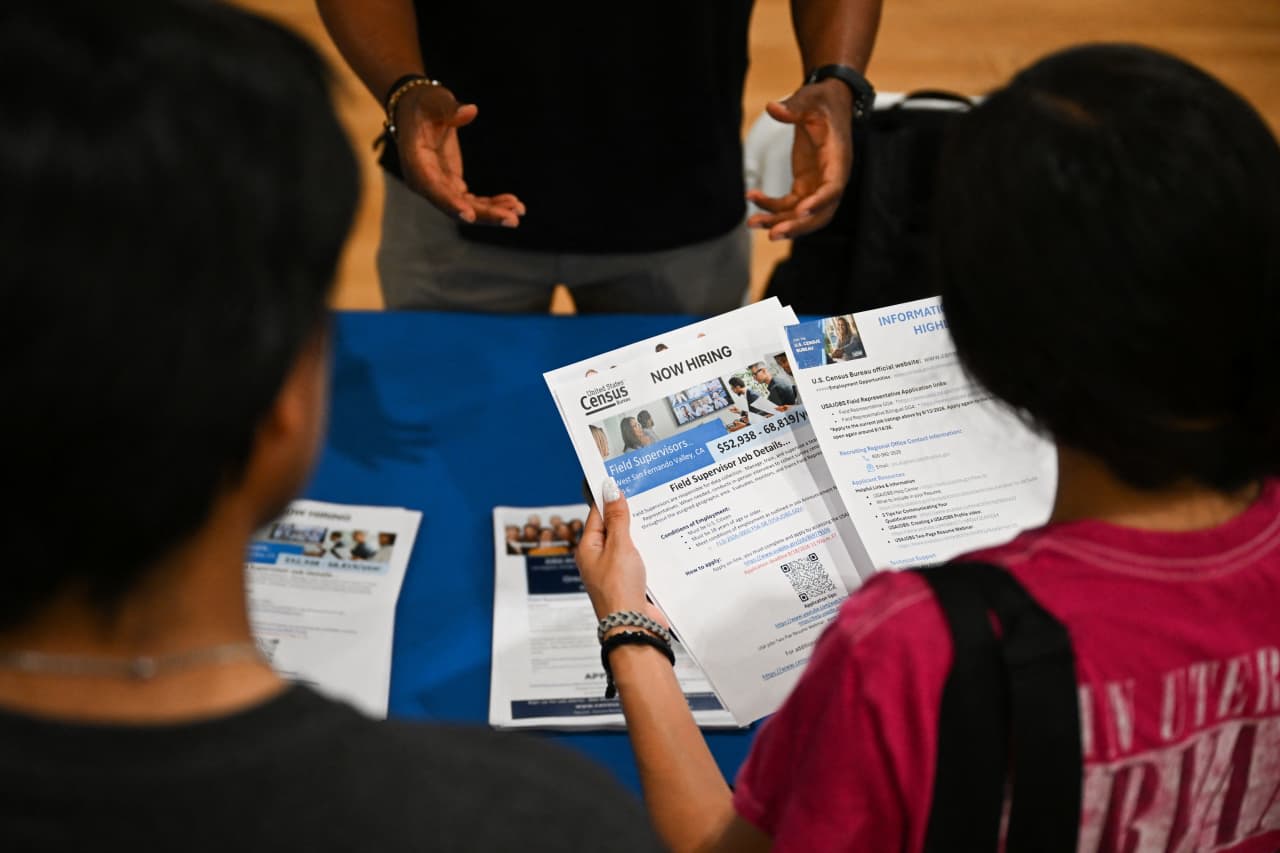
Private sector job growth slowed significantly in August, with ADP reporting only 38,000 new positions added. The gains were largely concentrated in healthcare and education, while other sectors saw notable declines.
Labor Market Cools: August ADP Report Analysis
Recent data released by ADP reveals a significant cooling trend in the U.S. labor market, with private payrolls increasing by only 38,000 jobs in August. This figure fell notably short of the Dow Jones and Bloomberg consensus estimates, which had projected growth closer to 47,000. This marks the smallest monthly gain since January and follows an upwardly revised July figure of 46,000, signaling a clear deceleration in hiring momentum as the summer concludes.
Sectoral Divergence and Concentration
The modest job growth witnessed in August was not evenly distributed across the economy. A critical takeaway from the report is the heavy concentration of new roles within the education and healthcare sectors, which added 45,000 jobs combined. This reliance on specific service-oriented industries masks underlying weaknesses elsewhere; notably, manufacturing and business and professional services recorded job losses. While leisure, hospitality, and construction provided minor gains of 16,000 and 12,000 positions respectively, the broader labor market is clearly struggling to maintain widespread expansion.
Wage Growth and Economic Complexities
Wage dynamics continue to provide a complex picture for employers and analysts alike. ADP reported that job switchers saw a 4.7% year-over-year increase in base wages, while employees who remained in their current roles saw a more modest 3% increase. According to ADP chief economist Nela Richardson, the traditional predictability of wage growth is being fundamentally altered by the confluence of demographic shifts, persistent inflationary pressures, and the nascent, yet impactful, integration of artificial intelligence across various professional sectors.
Broader Macroeconomic Implications
The slowdown in private hiring is indicative of a broader transition in the U.S. economic landscape. As businesses face a tightening fiscal environment, the appetite for new headcount appears to be diminishing. The fact that August represents the second consecutive month of small gains points to a cooling summer that may set the tone for the remainder of the year. Investors and policymakers are now looking toward the upcoming Labor Department report for further confirmation of whether this private-sector trend is indicative of a national shift in employment stability.
Future Trends and Outlook
Looking ahead, the labor market faces a period of recalibration. The reliance on the healthcare sector to buoy overall job numbers suggests that demographic demand, particularly an aging population, is currently a primary driver of employment. However, if manufacturing and professional services continue to shed jobs, the overall economic narrative may shift from one of 'slow growth' to one of 'stagnation.' Experts will be closely monitoring how these hiring trends interact with inflation data and potential interest rate adjustments, as the economy balances the need for labor market resilience against the reality of slowing business investment.
Verification Required?