Youth’s progress govt’s priority: Nadda welcomes CJP decision to call off Sept 5 march
Source Entity
The Indian Express
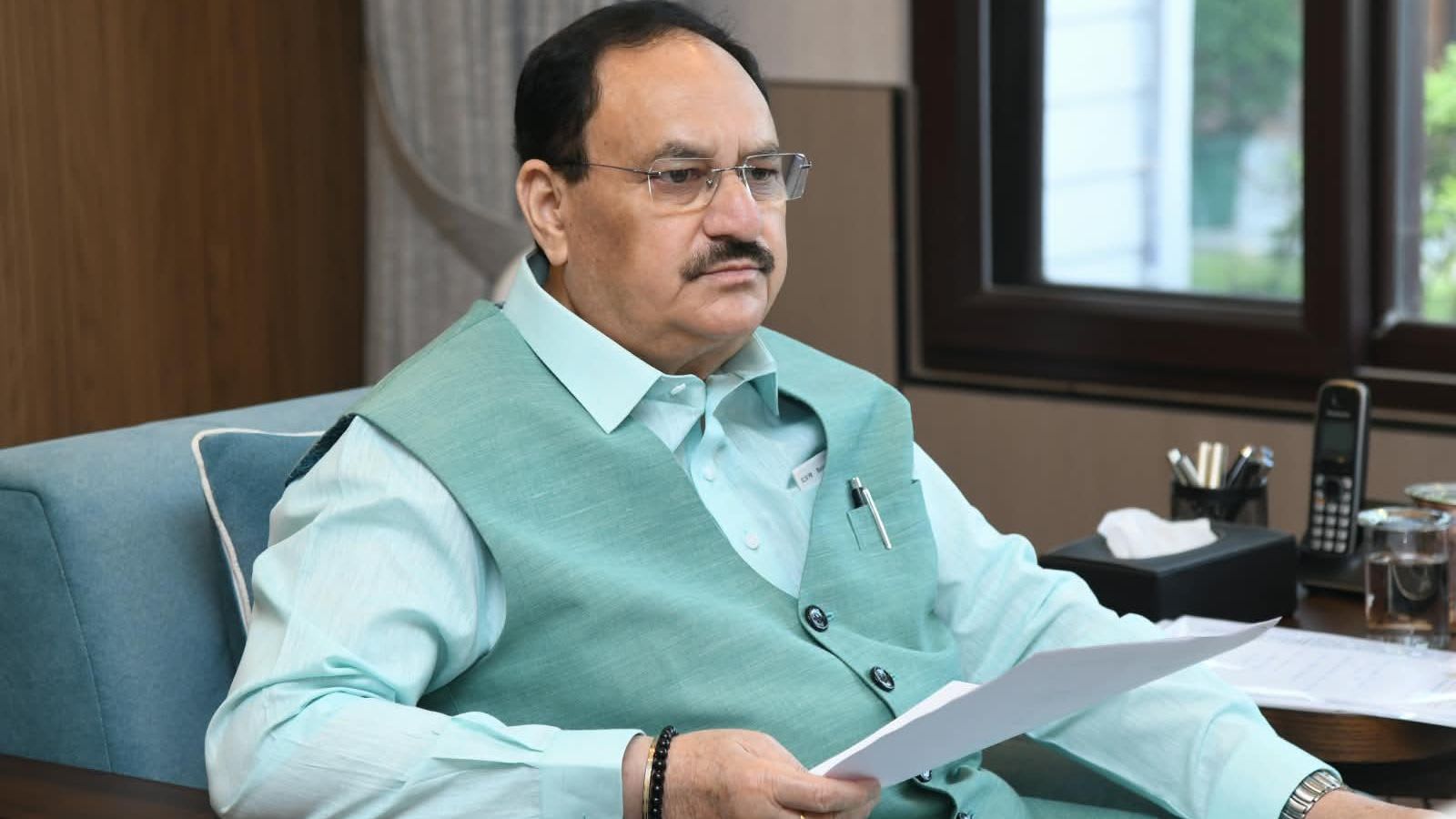
Union Minister J.P. Nadda has welcomed the Cockroach Janta Party's decision to cancel their September 5 protest march. The government signaled a conciliatory approach by committing to drop criminal charges against students involved in July protests.
Government-Protest Dialogue: A Shift in Approach
Union Minister Jagat Prakash Nadda recently issued a public statement welcoming the decision by the Cockroach Janta Party (CJP) to cancel their scheduled protest march in Lutyens’ Delhi on September 5. This development marks a significant turning point in the ongoing dialogue between the BJP-led NDA government and the organization, which had been staging protests at Jantar Mantar throughout the previous month. The resolution of this tension underscores a move toward collaborative engagement rather than prolonged confrontation.
The Role of Diplomatic Engagement
The de-escalation of the situation was not an isolated event but the result of sustained diplomatic efforts. Reports indicate that Nadda and his Cabinet colleague, Jitendra Singh, held multiple high-level meetings with CJP representatives during the height of the demonstrations. By maintaining these open channels of communication, the government managed to address the grievances of the protesters directly, preventing the escalation of the Jantar Mantar protests into a larger, more volatile movement.
Legal Leniency as a Conflict Resolution Tool
A critical factor in the CJP’s decision to call off their march was the government's recent legal concession. The Centre informed the Supreme Court that it would not pursue criminal cases against students who were charged following the events of July 20. This move is a strategic attempt by the administration to foster goodwill and demonstrate a commitment to the welfare of the youth, effectively lowering the stakes for the protesting student bodies.
Prioritizing Youth Development
In his official statement, Nadda emphasized that the success and progress of the nation's youth remain the central priority of the NDA government. By framing the resolution of these protests through the lens of national youth policy, the government aims to position itself as a listener to the next generation's concerns. This rhetoric serves to align the government’s administrative actions with its broader political goal of maintaining stability while addressing the demands of its younger constituents.
Future Implications and Political Stability
This resolution suggests a broader trend in how the current administration handles civil unrest in the capital. By opting for dialogue and legal leniency over strict enforcement, the government is likely attempting to avoid the political optics of student conflict in Lutyens’ Delhi. Moving forward, the success of this approach will depend on whether the government can deliver on the underlying demands that sparked the initial protests, thereby ensuring long-term stability rather than just a temporary cessation of demonstrations.
Conclusion
In summary, the cancellation of the September 5 march is a calculated victory for both the government and the CJP. Through a combination of ministerial outreach, legal concessions, and a stated focus on youth development, the government has successfully navigated a potential flashpoint. Whether this sets a precedent for future negotiations remains to be seen, but for now, it represents a cooling of tensions in the heart of the national capital.