How parliamentary oversight strengthens transparent and responsive governance
Source Entity
The Indian Express
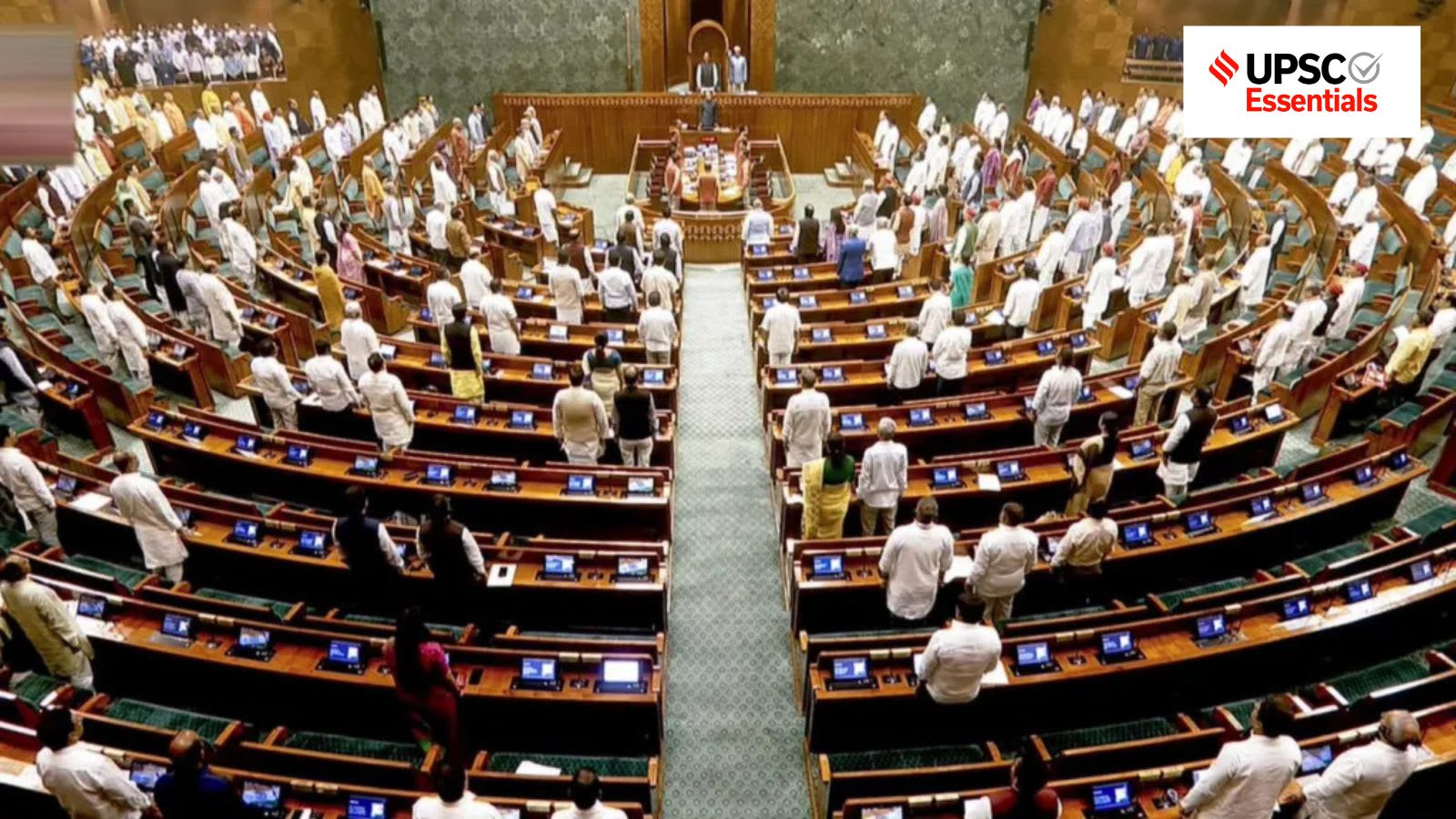
Parliamentary oversight is essential for maintaining executive accountability, especially when a government holds a stable majority. It balances the separation of powers to prevent the concentration of authority and ensure transparent governance.
The Imperative of Parliamentary Oversight in Modern Governance
In any functioning democracy, the relationship between a government with a stable parliamentary majority and the mechanisms of accountability is a cornerstone of political stability. As noted by Dileep P. Chandran, a strong majority empowers the executive to dictate the legislative agenda, manage the passage of laws, and control the scheduling of parliamentary business. While this efficiency can lead to swift policy implementation, it simultaneously heightens the necessity for robust oversight to ensure that the executive remains responsive to the broader interests of the citizenry.
The Doctrine of Separation of Powers
The foundation of this oversight lies in the doctrine of the separation of powers, which distributes authority across the legislature, executive, and judiciary. By assigning distinct roles—law-making to the legislature, policy implementation to the executive, and adjudication to the judiciary—the system creates a framework of checks and balances. This structural division is intended to prevent the dangerous concentration of power within a single organ, which historically has been a precursor to the abuse of authority and the erosion of democratic norms.
Accountability in Parliamentary Systems
Unlike presidential systems, where the executive and legislature are often elected separately, a parliamentary system fuses the two, as the executive derives its legitimacy from the legislature. This inherent dependency makes formal oversight mechanisms—such as parliamentary committees, question hours, and debates—critically important. When a government holds a dominant majority, the risk of these mechanisms becoming mere formalities increases. Therefore, the vitality of parliamentary oversight depends on the legislature’s ability to assert its independence regardless of the executive's numerical strength.
Challenges of Legislative Dominance
When the executive exerts significant influence over the scheduling of debates and the allocation of time for legislative discussion, the quality of scrutiny can be compromised. If time is restricted, the capacity for the opposition and even backbenchers to conduct a thorough analysis of proposed legislation diminishes. This dynamic necessitates a proactive approach to transparency, where the ruling government allows for sufficient deliberation to ensure that policies are not only efficient but also well-vetted and representative of diverse viewpoints.
Future Trends and Democratic Resilience
Looking ahead, the resilience of democratic institutions will depend on their ability to adapt these traditional oversight mechanisms to modern political contexts. Strengthening legislative committees and ensuring they have the resources to conduct independent research will be vital. As governments continue to navigate complex policy challenges, the transparency provided by parliamentary oversight will remain the primary safeguard against executive overreach, ensuring that the legislative branch remains a meaningful partner in the governance process rather than a rubber stamp.