'I've never been to Afghanistan': Six million deportees forced to start over under the Taliban
Source Entity
BBC News
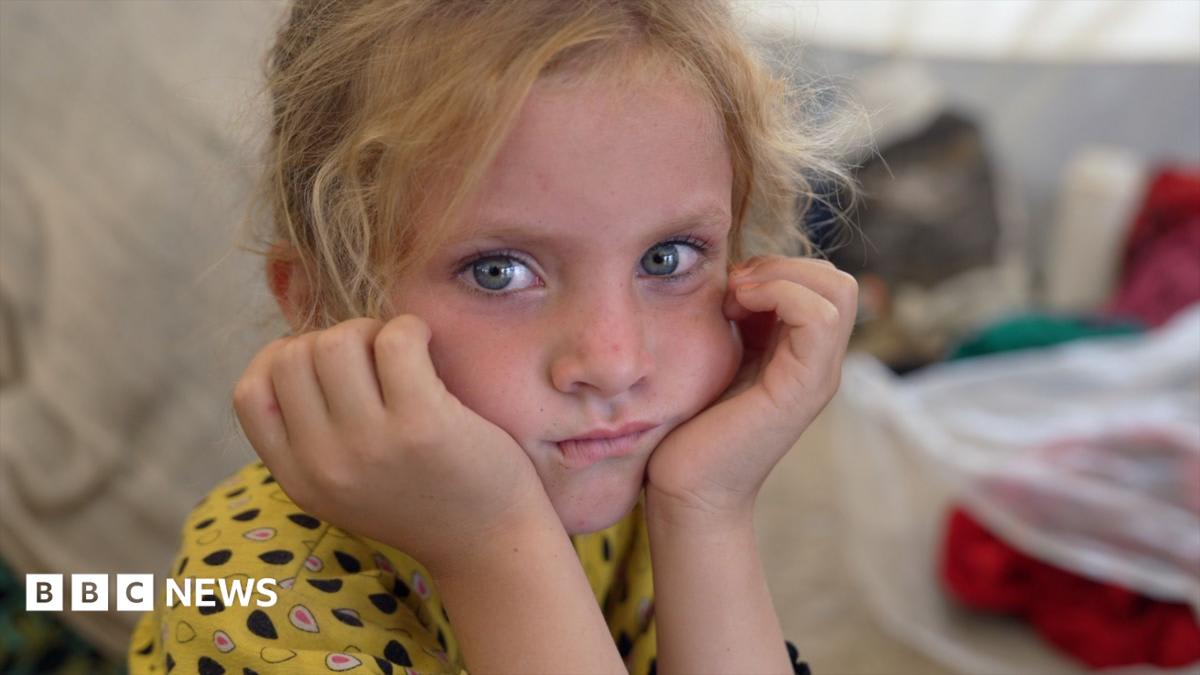
Millions of refugees, many born in Pakistan or Iran, are being deported to Afghanistan amid a severe humanitarian crisis. These families, often lacking any prior connection to the country, face extreme poverty and an uncertain future under Taliban rule.
The Humanitarian Crisis at the Torkham Crossing
The Torkham crossing, colloquially known as "Zero Point," has emerged as the epicenter of a massive humanitarian displacement crisis. As of August, the cumulative number of individuals forced to return to Afghanistan from neighboring Pakistan and Iran has reached one million this year alone. This surge in forced migration represents a catastrophic transition for thousands of families, many of whom have spent their entire lives abroad.
The Plight of the 'Stateless' Returnee
Among those crossing the border are individuals like 35-year-old Nazia, who was born in Pakistan and has never stepped foot in Afghanistan. For people in her position, the deportation process is not a return to a homeland, but an arrival in a foreign land. These individuals are effectively being uprooted from the only homes they have ever known, forced to navigate a country that is culturally and logistically unfamiliar.
Economic Devastation and Survival
The arrival of these families coincides with a period of severe economic instability within Afghanistan. Reports from the border highlight that many of the new arrivals, including the elderly and children, are struggling for basic necessities, with food scarcity being a primary concern. The sight of families crossing with little more than a few chickens underscores the desperation of those forced to leave their livelihoods behind in Pakistan or Iran.
The Geopolitical Landscape
The registration process at the border, overseen by Taliban officials beneath white and black flags, highlights the stark change in governance these families face upon entry. With six million deportees now navigating the process of starting over, the strain on Afghanistan’s already fragile infrastructure is immense. The sheer scale of this movement suggests a long-term humanitarian challenge that will require sustained international attention.
Future Implications and Conclusion
The forced return of millions of people who have no existing ties to Afghanistan creates a complex social integration issue. As families are funneled through registration counters and into a society struggling with poverty, the risk of a deepening crisis is high. The transition from life in Pakistan or Iran to the current reality in Afghanistan is not merely a geographic move but a profound existential shift for the millions now forced to rebuild their lives from zero.