20 Killed, 100 Missing In Afghanistan Flooding
Source Entity
NDTV News Search Records Found 1000
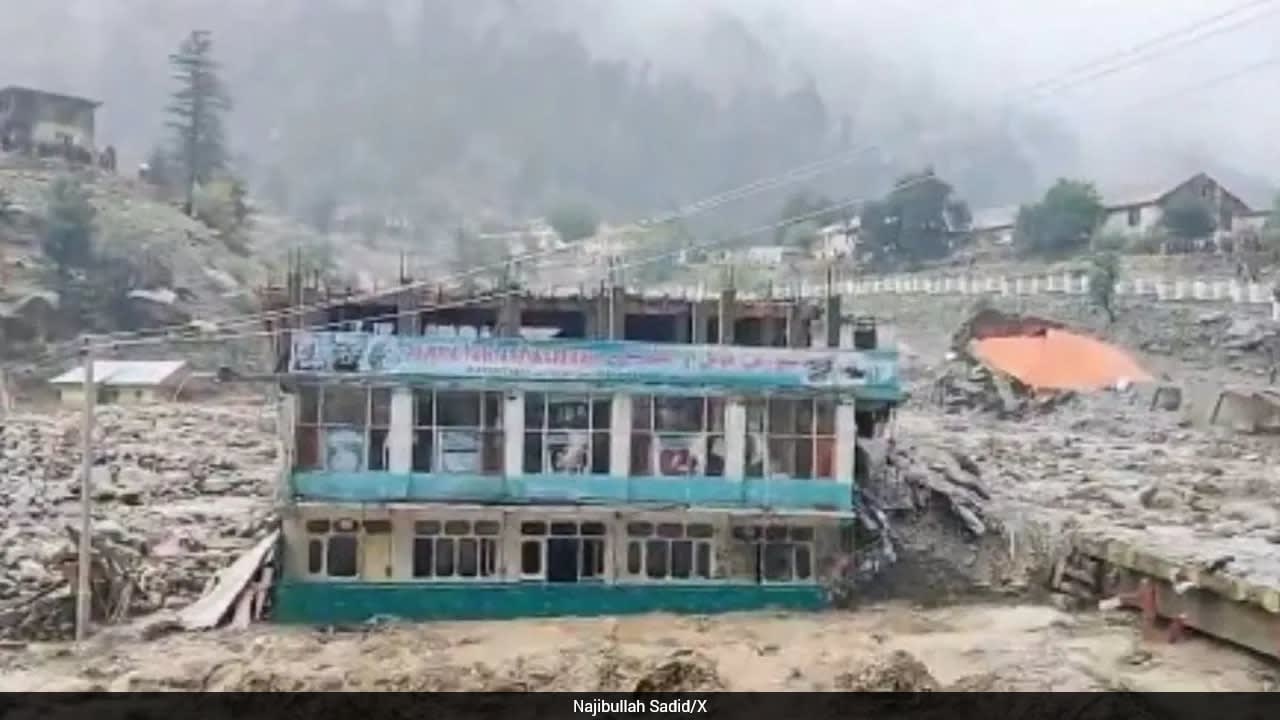
Devastating flash floods in Afghanistan have resulted in at least 20 confirmed fatalities and over 80 injuries. Rescue operations are currently underway as search teams struggle to locate more than 100 individuals reported missing.
A Humanitarian Crisis Unfolds in Afghanistan
The recent flash flooding in Afghanistan has triggered a significant humanitarian emergency, with authorities confirming at least 20 fatalities and over 80 injuries. The scale of the disaster is exacerbated by the fact that more than 100 people remain missing, highlighting the extreme vulnerability of regions prone to sudden, violent environmental shifts. As rescue teams continue to navigate debris and damaged infrastructure, the focus remains on locating survivors amidst the ongoing chaos.
Environmental Vulnerability and Infrastructure Challenges
Afghanistan's topography, characterized by mountainous terrain and arid soil, makes it exceptionally susceptible to rapid flooding during periods of intense rainfall. The lack of robust early warning systems and modernized infrastructure significantly hampers the ability of local authorities to mitigate such disasters. The current casualty figures underscore the limitations of emergency preparedness in rural areas, where sudden surges of water can overwhelm local defenses in a matter of minutes.
The Impact of Missing Persons on Recovery Efforts
The fact that over 100 individuals are still missing suggests that the total death toll could rise significantly in the coming days. Search and rescue operations are currently being conducted under difficult conditions, with responders facing limited resources and potential secondary hazards. The emotional and social toll on the affected communities is profound, as families wait for word on their loved ones in an environment where communication lines and transport routes are frequently disrupted.
Historical Context of Flooding in the Region
Historically, Afghanistan has faced similar environmental catastrophes, often compounded by long-term instability that prevents consistent investment in flood defenses or climate resilience programs. These events are not isolated incidents but rather part of a recurring cycle of environmental fragility. The inability to effectively manage water drainage and land use in high-risk zones continues to be a primary driver of these recurring humanitarian crises.
Future Trends and Resilience Requirements
Looking ahead, climate change is expected to increase the frequency and intensity of extreme weather events globally, and Afghanistan is no exception. To combat the trend of rising casualties, the international community and local governing bodies must prioritize the development of better meteorological forecasting and community-based disaster risk reduction programs. Without a concerted effort to build sustainable infrastructure and evacuation protocols, the nation remains on a precarious path regarding natural disaster preparedness.
Conclusion
In summary, the current flooding event is a stark reminder of the urgent need for disaster management reform in Afghanistan. While the immediate priority is the search for the missing and the care of the 80 injured, the long-term objective must be the strengthening of regional resilience against future environmental shocks. The loss of 20 lives is a tragedy that underscores the necessity of proactive intervention in volatile terrains.
Verification Required?