Defections affect moral sanctity of democracy
Source Entity
India Latest News: Top National Headlines Today & Breaking News | The Hindu
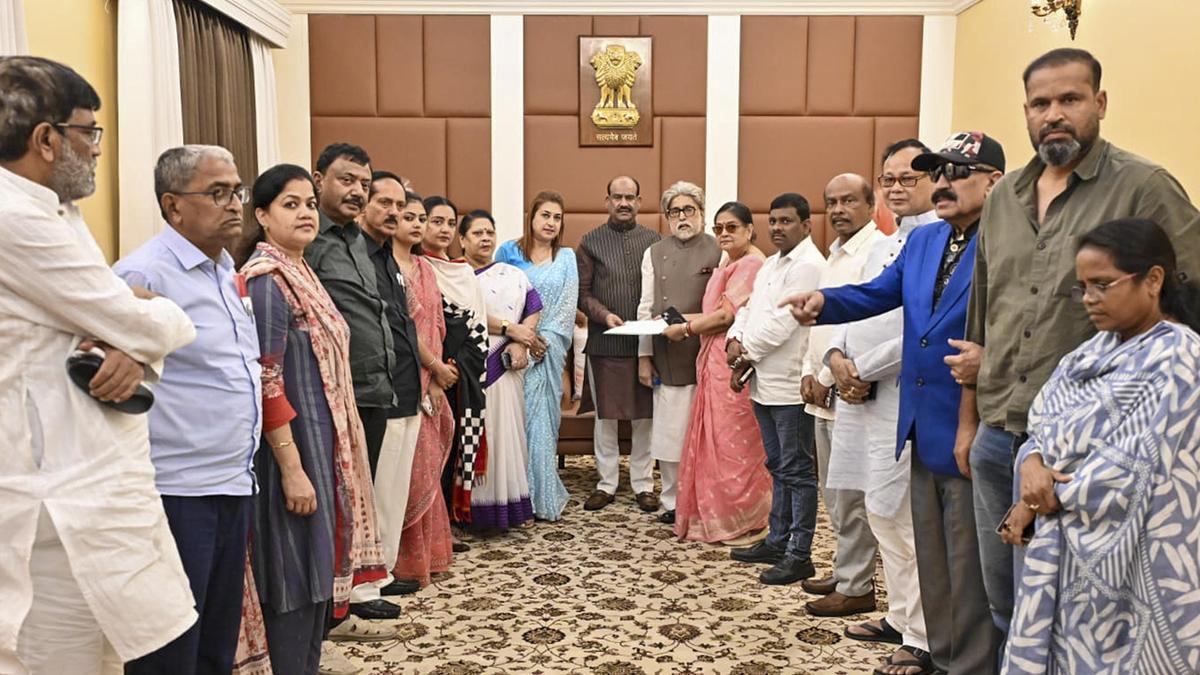
Political defections in India are eroding democratic sanctity by prioritizing power over voter mandates. This trend undermines the core principle of electoral accountability and public trust in political representation.
The Erosion of Democratic Mandates Through Defection
The integrity of a democratic system rests upon the foundational contract between the elected and the electorate. When voters cast their ballots, they are not merely selecting an individual; they are endorsing a specific manifesto, a set of ideological commitments, and a vision for governance. However, the recent surge in political defections in India, as evidenced by the internal fractures within the Trinamool Congress and the Shiv Sena-UBT, suggests that this contract is increasingly viewed as a temporary arrangement rather than a binding commitment.
The Shift from Principles to Pragmatism
As Winston Churchill famously observed, shifts in political allegiance can be driven by principle or by the requirements of party loyalty. In the contemporary Indian landscape, we are witnessing a third, more cynical category: the abandonment of both party and principle in the pursuit of raw power. This shift transforms electoral politics into a transactional exercise, where the ideological distinctions presented to the public during campaigns evaporate the moment the results are declared. This behavior effectively renders the voter's choice an exercise in futility.
The Collapse of Ideological Boundaries
Modern political campaigns are often defined by bitter animosity, with candidates framing their opponents as fundamentally antithetical to the nation's interests. When these same leaders reconcile and form alliances shortly after the election, it creates a crisis of credibility. By joining forces with previously 'irreconcilable' opponents, politicians signal to the electorate that the fierce debates held on the campaign trail were performative rather than substantive. This contradiction damages the moral sanctity of the electoral process.
Consequences for the Voter
The greatest casualty of this trend is the voter, whose agency is undermined by the unpredictability of post-election realignments. When a legislator defects, they do not just switch sides; they effectively transfer the mandate of their constituents to a faction that those constituents may have explicitly voted against. This creates a disconnect between the public will and the resulting government, fostering disillusionment and cynicism toward democratic institutions.
Historical Context and Future Implications
Political instability through defection is not entirely new to India, but the frequency and scale of recent events reflect a deeper shift in political culture. If the current trajectory continues, we may see a further decline in voter turnout and engagement, as citizens perceive their participation as disconnected from the ultimate outcomes. Addressing this trend requires a more rigorous evaluation of anti-defection frameworks and a return to the principle that an elected representative's primary loyalty must remain with the mandate provided by the electorate.
Verification Required?