Sonam Wangchuk Shifted From Safdarjung Hospital To Medanta After Court Order
Source Entity
NDTV News Search Records Found 1000
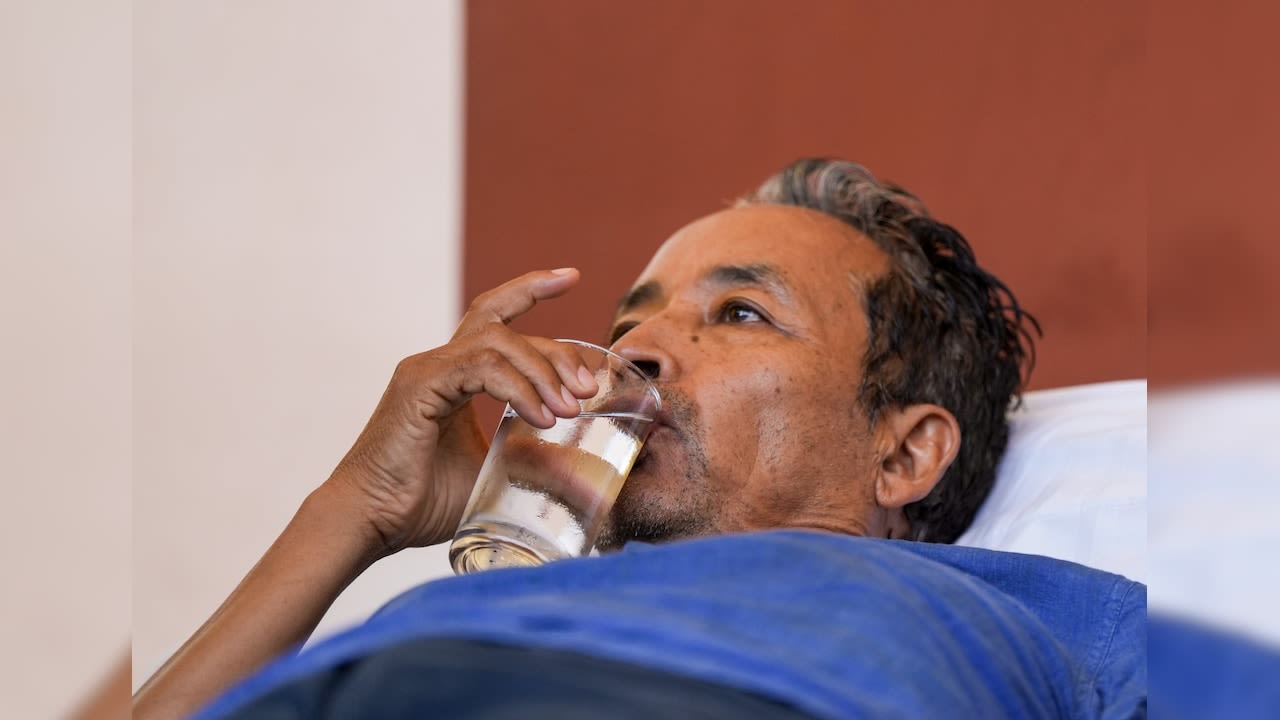
A massive protest march in Delhi demanding the resignation of Education Minister Dharmendra Pradhan turned violent, resulting in injuries to over 118 police personnel and scores of protesters. The unrest led to the detention of 70 individuals and the hospitalisation of activist Sonam Wangchuk.
Turmoil in the Capital: The CJP-Led Parliament March
On a tumultuous Monday, the heart of New Delhi became the site of a significant confrontation between protesters and security forces. A march led by the CJP (Climate and Justice Protest/Campaign) aimed at Parliament Street escalated into chaos, characterized by the sounds of sirens, teargas, and intense scuffles. Protesters, seeking refuge in the iconic Gurdwara Bangla Sahib, reported being caught in a police lathi-charge, highlighting the intense friction between the demonstrators and the state apparatus.
The Core Demands and the Catalyst
At the center of this unrest is a specific political demand: the resignation of Education Minister Dharmendra Pradhan. The protesters, many of whom were seen carrying placards expressing solidarity with activist Sonam Wangchuk, channeled their grievances into a mass mobilization. This event represents a flashpoint in ongoing tensions between civil society groups and the central government, with the education sector serving as the current focal point of public discontent.
Escalation and Public Order
According to official statements from the Delhi Police, the situation deteriorated rapidly as the march progressed toward Parliament. The police reported that 118 of their personnel sustained injuries, citing that demonstrators engaged in stone-pelting, vandalized government vehicles, and breached barricades. This narrative of “large-scale violence” stands in stark contrast to the accounts of protesters who sought sanctuary in religious sites to escape the police response, illustrating a deeply polarized view of the day’s events.
The Human Cost and Detention
Beyond the damage to public property and injuries to police, the human toll of the protest was significant. Approximately 60 protesters were reported injured during the scuffles, and 70 individuals were detained by law enforcement. The removal of Sonam Wangchuk from the protest site and his subsequent transfer to Safdarjung Hospital marks a critical development in the situation, as Wangchuk remains a symbolic figurehead for this movement.
Broader Implications for Governance
This incident underscores the fragility of public order in the capital when high-stakes political demands clash with security protocols. The involvement of the CJP and the explicit targeting of a cabinet minister’s tenure suggest a broadening of the protest movement beyond environmental or localized issues. The government’s reliance on prohibitory orders and the subsequent pushback from protesters highlight an escalating cycle of confrontation that poses challenges for democratic discourse.
Future Trends and Outlook
Looking ahead, the events of this Monday are likely to intensify the scrutiny on the Ministry of Education. As authorities manage the aftermath—including the legal processing of the 70 detainees—the government faces the dual challenge of maintaining order while addressing the underlying grievances that brought thousands to the streets. If these demands remain unaddressed, the likelihood of further mobilization and potential civil unrest remains high, necessitating a careful balance between state security and the right to peaceful assembly.
Multiple Citing Sources
Verification Required?