As India ages, health care must move closer to home
Source Entity
Latest News: Today's Latest News Headlines from India & World | Hindustan Times | Hindustan Times
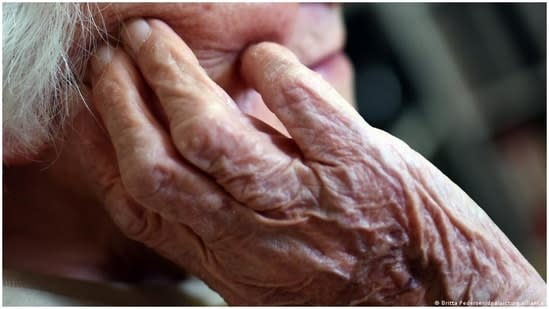
Kerala's new Silver Economic Policy represents a pioneering shift in India's public health strategy as the nation prepares for an aging demographic. By focusing on decentralized geriatric care and retirement infrastructure, the state sets a critical benchmark for future national health policy.
A New Frontier: Kerala’s Silver Economic Policy
India is currently defined by its demographic dividend, with nearly two-thirds of its population under the age of 35. However, this narrative is undergoing a structural shift. Projections indicate that by 2046, the demographic profile of the nation will transition significantly, resulting in a larger proportion of citizens aged 60 and above. This impending transition mandates a proactive overhaul of existing health care frameworks to accommodate the specific needs of an aging society.
The Kerala Model as a National Blueprint
Recognizing this shift, Kerala has introduced a comprehensive Silver Economic Policy within its 2026-27 budget. This initiative is particularly significant because Kerala already hosts a high concentration of elderly citizens, with 20.7% of its population aged 60 or older according to recent NFHS-6 data. By prioritizing eldercare services and specialized retirement infrastructure, the state is essentially creating a pilot program that the rest of India may soon need to emulate.
Decentralizing Healthcare for the Elderly
As Dr. Deva H. Puranam notes, the future of health care must move closer to the home. The current hospital-centric model is often inaccessible and physically taxing for the elderly. The Silver Economic Policy signals a move toward decentralized, home-based care models, which are essential for managing chronic conditions associated with aging. By integrating geriatric innovation into the state budget, Kerala is addressing the logistical and physical barriers that prevent the elderly from accessing timely medical interventions.
Economic Implications of an Aging Workforce
The economic impact of an aging population is profound. As the dependency ratio increases, the state must balance the needs of the youth with the requirements of the elderly. Integrating eldercare into the broader 'Silver Economy' encourages private sector innovation, creating new markets for geriatric health products and services. This shift not only supports the dignity and health of senior citizens but also fosters a new sector of job creation within the healthcare and service industries.
Future Trends and Policy Integration
Looking forward, the success of Kerala’s initiative will likely serve as a benchmark for national health policy. As other Indian states witness their own demographic transitions, the integration of specialized geriatric care into public health budgets will become a necessity rather than an option. The long-term sustainability of India’s health infrastructure will depend on how effectively it can transition from a curative, youth-focused system to a preventative, inclusive system that supports citizens across their entire lifespan.
Verification Required?