All Workers Trapped In Sikkim Tunnel Rescued After Massive Operation
Source Entity
NDTV News Search Records Found 1000
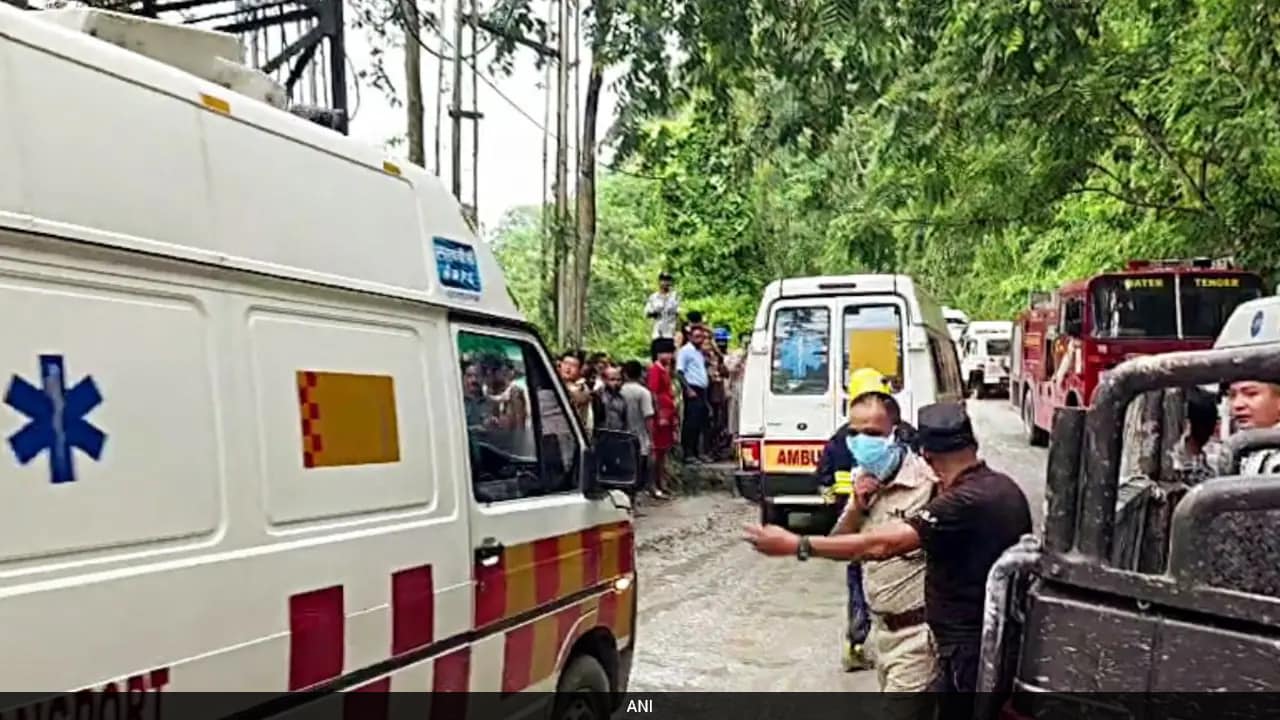
A landslide at the Samardung tunnel in Sikkim's Namchi district has trapped multiple workers, resulting in at least seven confirmed fatalities. Rescue operations by NDRF and SDRF teams are currently hampered by a suspected gas leak and unstable terrain.
Tragedy in Namchi: The Samardung Tunnel Incident
A catastrophic landslide occurred on Monday afternoon at the Samardung tunnel site in the Namchi district of Sikkim, leading to a major industrial accident. The tunnel, which is a critical component of the National Hydroelectric Power Corporation’s (NHPC) Teesta Stage VI hydroelectric power project, became a site of tragedy when debris blocked the entrance, trapping a significant number of workers inside.
The Scope of the Crisis
Initial reports indicated that out of the 43 individuals present inside the tunnel at the time of the collapse, 16 were able to escape to safety. However, the situation remains dire for the remaining personnel. Official sources have confirmed at least seven fatalities, while rescue efforts continue to locate those still trapped. The discrepancy in reported numbers highlights the logistical challenges faced by authorities in verifying the exact headcount amidst the chaos of a disaster site.
Challenges in Rescue Operations
Rescue operations are being spearheaded by a coalition of the National Disaster Response Force (NDRF), the State Disaster Response Force (SDRF), local police, and Fire and Emergency Services. The mission is being severely complicated by a suspected gas leak within the tunnel. Officials believe this gas is emanating from the underground strata and geological formations that were disturbed by the initial landslide. This potential hazard has forced rescue teams to utilize specialized equipment, including gas masks, to attempt entry.
Geological and Infrastructure Context
The Teesta Stage VI project represents a significant infrastructure push in the Himalayan region, a zone notoriously susceptible to seismic activity and landslides. The incident at Samardung underscores the inherent risks associated with large-scale tunneling in such fragile mountainous terrain. The disturbance of rock formations, whether by natural shift or excavation, can lead to unpredictable outcomes, such as the release of trapped gases or secondary structural failures.
The Human and Administrative Toll
District Collector Anupa Tamling has noted that the condition of the trapped workers remains uncertain, as multiple rescue attempts have thus far been obstructed by the unstable environment. With ambulances and emergency tenders on standby, the focus remains on stabilization and safe extraction. The loss of life in this incident marks a somber moment for the region’s development sector, prompting urgent questions regarding safety protocols in high-risk construction zones.
Future Outlook and Implications
As the rescue operation transitions into a recovery and investigation phase, authorities will likely conduct a thorough inquiry into the safety measures implemented at the Teesta Stage VI site. The incident serves as a stark reminder of the vulnerability of infrastructure projects in the Sikkim Himalayas. Future policy trends will likely emphasize stricter geological surveying and more robust emergency response frameworks to mitigate the risks posed by the region's complex and volatile geography.
Multiple Citing Sources
Verification Required?