AI At Home Part 1: A Box Of Scraps
Source Entity
Hacker News
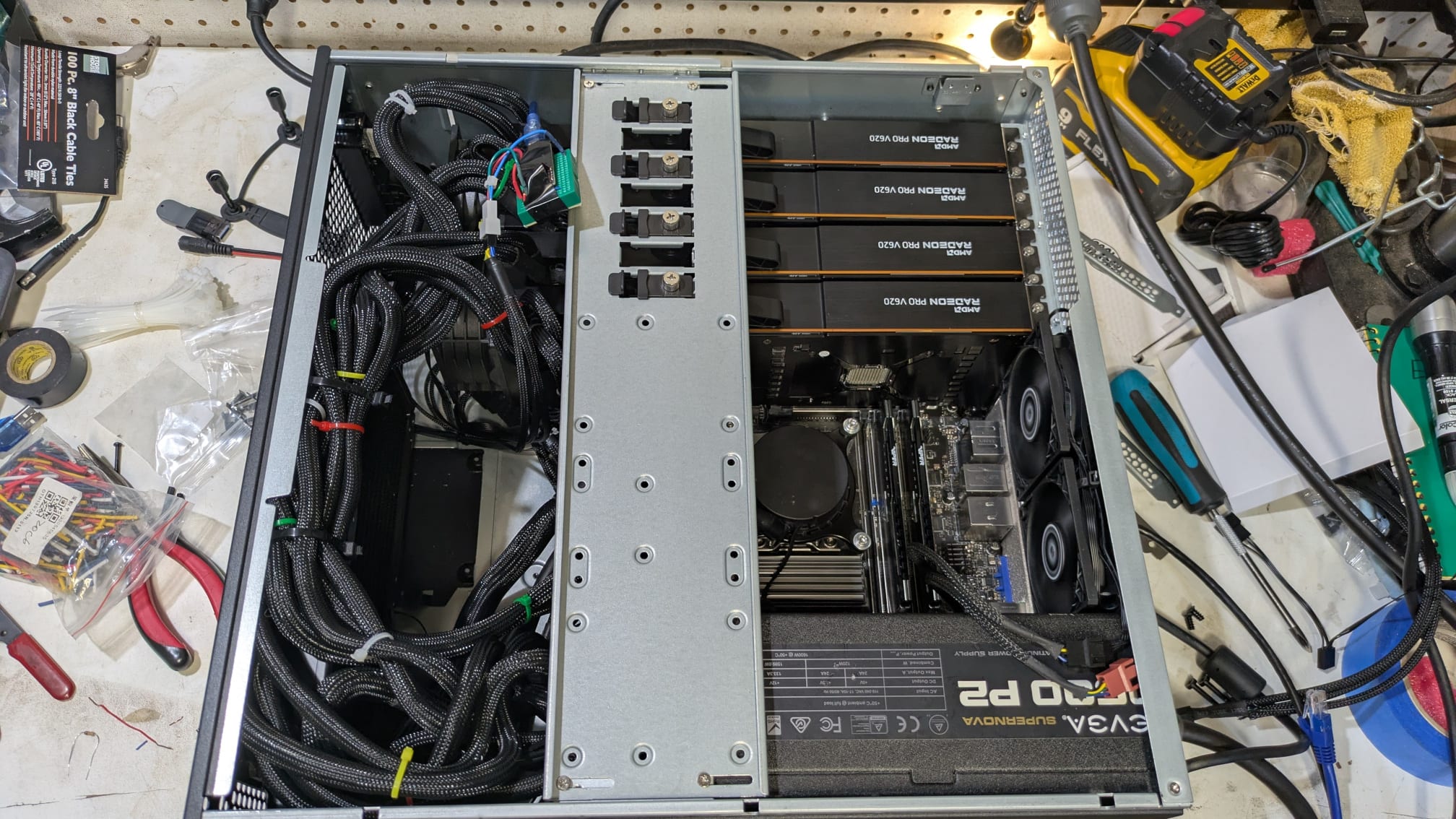
The emergence of transformer-based AI coding agents is transforming software development, shifting workflows from manual processes to automated efficiency. The author advocates for self-hosted, transparent AI tools over proprietary cloud-based services to ensure long-term reliability and control.
The Paradigm Shift in Software Development
The landscape of software engineering is currently undergoing a structural transformation driven by the integration of transformer-based large language models (LLMs). As noted by industry observers, these tools represent the most significant technological leap in the field in recent memory, acting as a force multiplier for developers. This shift is analogous to the transition from manual craftsmanship—akin to woodworking with hand tools—to the high-speed efficiency of power tools. The core utility of these agents lies in their ability to automate repetitive coding tasks, allowing developers to focus on higher-level architectural challenges.
The Risk of Proprietary Dependency
Despite the clear productivity gains, a significant tension exists between convenience and autonomy. The reliance on cloud-hosted AI coding agents introduces a precarious dependency on third-party providers. When developers delegate critical workflows to external services, they surrender control over their environment. This creates a "vendor lock-in" scenario where essential tools can be modified, throttled, or discontinued at the whim of the provider, potentially disrupting entire development lifecycles.
The "Garage" Philosophy: Transparency and Trust
For many veteran engineers, trust in technology is inextricably linked to the ability to inspect and reconstruct it. The "garage" philosophy—the idea that a tool is only as reliable as the user's ability to take it apart and put it back together—highlights a critical flaw in current "AI-as-a-service" models. Proprietary black-box systems prevent users from understanding the underlying mechanics of their coding assistants, which can lead to hidden biases, security vulnerabilities, or unexpected behavior that the developer is powerless to patch.
Security and Long-Term Stability
The concerns regarding cloud-based AI aren't merely philosophical; they are deeply practical. When a developer builds a workflow around a proprietary agent, they are essentially outsourcing their capability to a platform they do not own. If the service provider decides to change the model's parameters, update its security protocols, or shut down the service entirely, the developer is left with a broken workflow. This volatility is a significant risk factor for professional software teams that require consistent and reproducible results.
The Future of Localized AI
Looking ahead, the industry may see a bifurcation in how AI tools are deployed. While cloud-based agents offer ease of access, there is a growing movement toward self-hosted and open-source models that can be run on local hardware. By moving away from centralized control, developers can regain the sovereignty required to build robust, long-lasting software. This trend toward "AI at home" represents a necessary push-back against the current trend of opaque, service-dependent development environments, ensuring that the next generation of power tools remains under the direct control of the craftspeople using them.