AI can fuel biological weapons. We must harness its power for defense | Annie Jacobsen
Source Entity
Annie Jacobsen
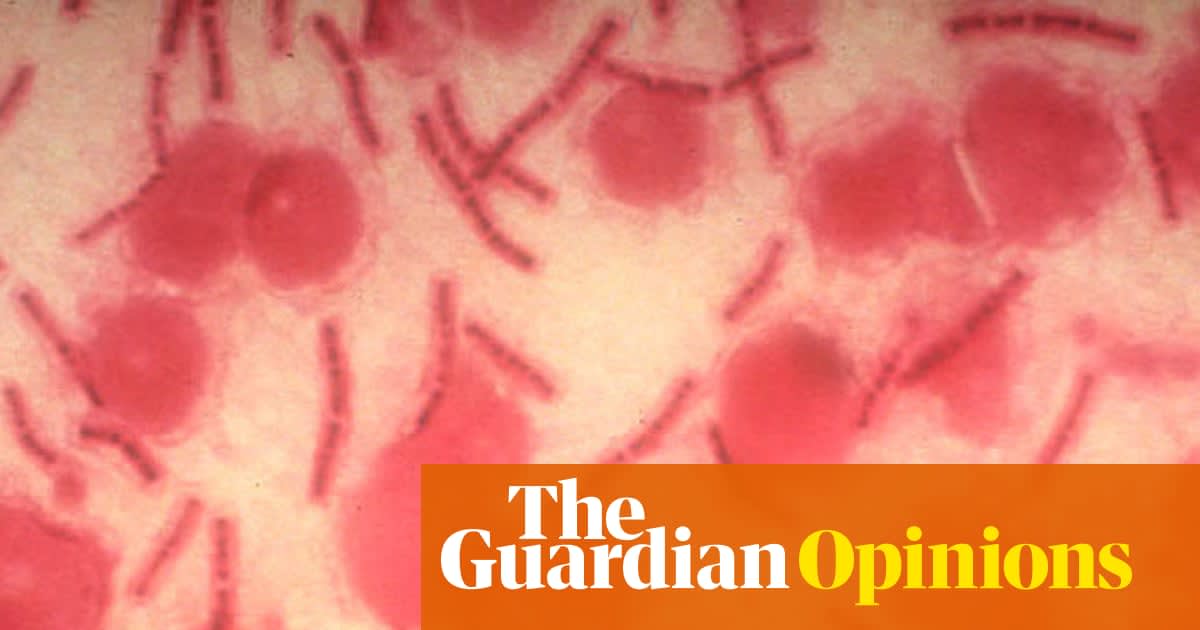
Artificial intelligence is creating a dual-use dilemma in biotechnology, offering both the potential for rapid pandemic defense and the risk of engineered biological weapons. The future of global security depends on winning the race between offensive proliferation and defensive innovation.
The Dual-Use Dilemma: AI in the Age of Synthetic Biology
Artificial intelligence is fundamentally altering the landscape of biological sciences, ushering in an era of unprecedented capability that cuts both ways. As the provided context highlights, we are witnessing a technological inflection point where the same computational power capable of decoding complex genetic structures can be repurposed to engineer dangerous pathogens. This dual-use nature of AI is not merely a theoretical concern but a practical reality that is currently reshaping global security strategies.
The Rise of Offensive 'Dark Biology'
The ease with which AI can generate recipes for biological weapons represents a significant departure from historical barriers to entry. Previously, the creation of synthetic pathogens required immense laboratory infrastructure and specialized expertise. Today, AI-driven computational prompts can potentially bypass these traditional hurdles, allowing bad actors to design harmful biological agents with minimal effort. This democratization of dangerous knowledge poses a systemic threat that challenges existing non-proliferation frameworks and biosecurity protocols.
The Defensive Potential: A Public Health Shield
Conversely, the integration of AI into public health offers a transformative defensive capability. By leveraging real-time data analytics, AI systems can monitor global disease trends, identify anomalous outbreak patterns, and facilitate rapid information dissemination. This capacity to detect an infectious disease at the earliest stages—often when it involves only a handful of cases—is the linchpin of modern pandemic prevention. If harnessed correctly, AI acts as a global immune system, providing the surveillance speed necessary to neutralize threats before they escalate into societal crises.
The Strategic Race Between Offense and Defense
We are currently locked in an urgent race between the proliferation of 'dark biology' and the advancement of collective health defenses. The trajectory of this struggle will likely define international security for the coming decades. If offensive capabilities continue to outpace the development of defensive monitoring and mitigation tools, the risk of catastrophic bio-incidents will rise. Consequently, the focus must shift toward robust guardrails that prevent the misuse of AI in biological R&D while incentivizing its application for early warning systems.
Future Trends and Policy Implications
Looking forward, the governance of synthetic biology will require a paradigm shift that integrates AI safety standards directly into biological research workflows. As AI models become more adept at protein folding and genetic sequencing, the industry will need to implement stricter access controls and monitoring mechanisms for computational biology platforms. The objective is to cultivate a secure environment where innovation flourishes in the interest of public safety, effectively neutralizing the offensive advantages currently afforded to bad actors.
Conclusion: Harnessing Power for Protection
Ultimately, the transformation of biology through AI is a double-edged sword that demands proactive management. While the risks of weaponization are profound, the defensive potential to save millions of lives is equally significant. By prioritizing the development of AI-driven diagnostic and surveillance tools, global health organizations can ensure that the technology serves as a shield against the next generation of biological threats, rather than a catalyst for their creation.