‘AI clog’: UK public bodies battle onslaught of chatbot-generated complaints
Source Entity
Joanna Partridge
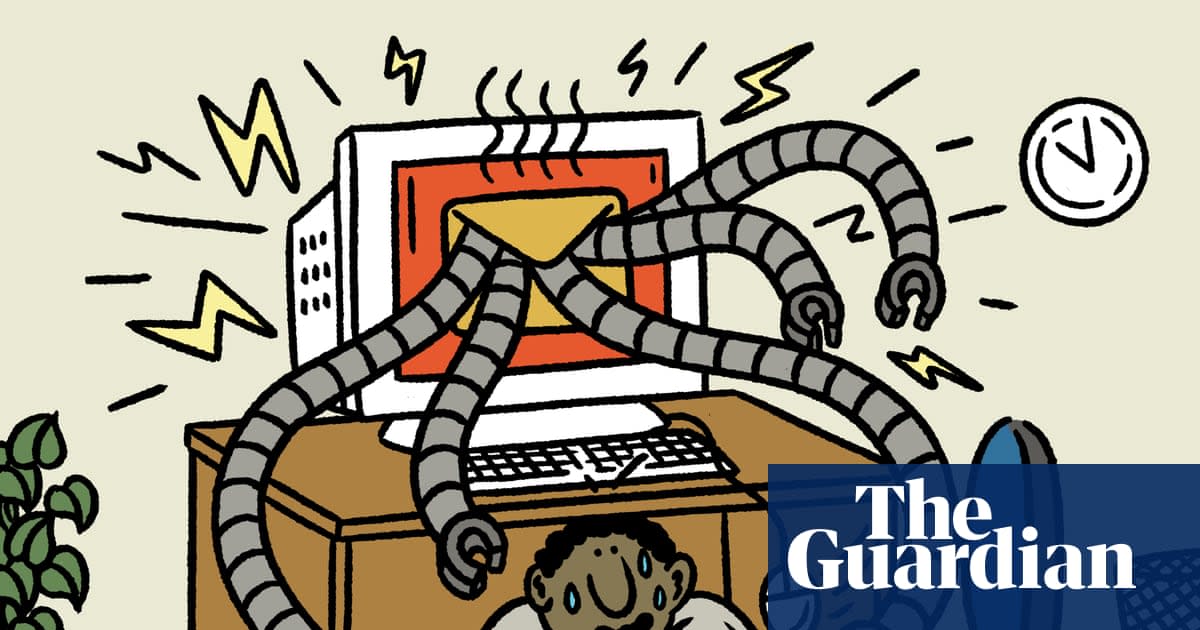
UK public bodies are facing a surge in AI-generated complaints, complicating administrative workflows for caseworkers. This shift highlights a new challenge in public sector communication where efficiency for the sender creates bottlenecks for the recipient.
The Digital Deluge: AI’s Impact on UK Public Administration
The Shift in Correspondence Dynamics
In 2024, the landscape of public administration in the United Kingdom shifted dramatically as public bodies began grappling with an 'onslaught' of AI-generated correspondence. As noted by Hollie Wickens, a senior caseworker in a Labour MP’s office, what began as a manageable trickle of automated messages has evolved into a daily operational challenge. This influx is not merely a quantitative increase but a qualitative change in how constituents interact with their representatives, turning standard administrative tasks into complex, time-consuming endeavors.
Complexity Over Quantity
Despite the sophisticated nature of modern large language models, the resulting correspondence often creates a 'clog' within public offices. Wickens reports that approximately half of the emails received now utilize AI, necessitating a more rigorous vetting process for caseworkers. Even for seasoned professionals with over a decade of experience, these AI-generated requests are proving to be more taxing, as the sheer volume and varied structure of the content require additional effort to synthesize, verify, and address effectively.
The Democratization of Bureaucratic Friction
Historically, engaging with public bodies, whether to contest a local planning application or file a formal complaint, required significant individual effort. Citizens had to research specific regulations, adhere to formal writing standards, and often acquire specialist knowledge to ensure their grievances were taken seriously. The rapid advancement and accessibility of AI tools have effectively removed these barriers, allowing individuals to generate professional-sounding, lengthy, and detailed complaints in seconds, regardless of their own expertise.
The Downstream Effects on Governance
While the democratization of communication is generally seen as a positive for civic participation, the unintended consequence is an administrative bottleneck. When the effort required for a constituent to complain reaches near-zero, the burden of processing those complaints shifts entirely to the public sector. This creates a potential imbalance where public offices may struggle to distinguish between high-priority, genuine constituent needs and automated or low-effort AI mass-mailings, potentially slowing down the democratic process.
Future Trends and Mitigations
As this trend continues, public bodies will likely be forced to adopt their own AI-driven triage systems to manage the surge. The challenge lies in balancing the need for efficient workflows with the fundamental requirement to maintain human-centric, empathetic, and responsive governance. The future of public sector administration will depend on integrating these technologies to filter and prioritize communications without losing the authentic connection between representatives and their constituents.
Conclusion
The rise of AI-generated correspondence represents a significant evolution in the relationship between the public and their representatives. While AI has empowered citizens to articulate their concerns with greater ease, it has also introduced a new layer of complexity that threatens to overwhelm existing administrative infrastructures. Addressing this 'AI clog' will be a critical priority for UK public bodies as they seek to navigate the balance between accessibility and operational sustainability.