AI game clones are making indie developers afraid to show their work
Source Entity
Kyle Orland
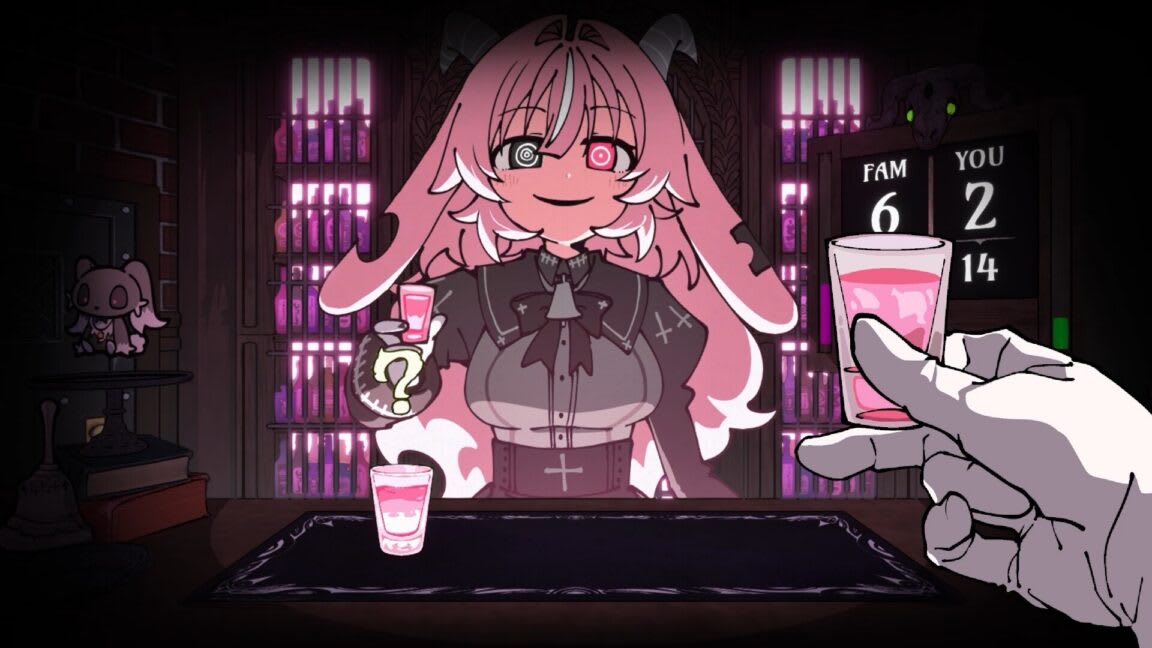
Indie developers are increasingly delaying game demos due to fears that AI tools enable rapid cloning of their work. This trend is threatening the traditional culture of open development and platform engagement.
The Rise of AI-Powered Asset Theft in Indie Gaming
The video game industry has long operated in a gray area regarding the replication of mechanics and aesthetic styles. While 'cloning' has existed since the inception of arcade gaming, the barrier to entry for bad actors has historically been the time and technical expertise required to reverse-engineer or rebuild a project. Today, that barrier is eroding rapidly as generative AI coding tools allow malicious parties to synthesize functional code and assets with unprecedented speed, turning the act of intellectual property theft from a labor-intensive project into a trivial task.
The Case of Drunken Goddess Reflex
The recent decision by developer Alliance Arts to pull their planned demo for Drunken Goddess Reflex from Steam Next Fest serves as a stark case study of this new reality. By opting to withhold their work rather than risk exposure to a wider audience, the team highlighted a chilling effect on innovation. This is not merely a localized issue for one studio; it represents a fundamental shift in how indie developers view public engagement. When the risk of having one's core mechanics and creative vision 'scraped' and redeployed by automated systems outweighs the marketing benefits of a platform like Steam, the health of the entire ecosystem is compromised.
Why AI Changes the Calculus
Historically, 'cloning' required a human developer to study a game, understand its logic, and manually recreate it. Modern AI tools can now ingest documentation, gameplay footage, and publicly available code snippets to generate functional prototypes in a fraction of the time. This efficiency means that an indie developer’s unique 'hook' can be commoditized before they have even had the chance to reach their target audience or secure a foothold in the market. The fear is no longer just about competition; it is about the theft of iterative progress.
The Erosion of Developer-Community Trust
Steam Next Fest has traditionally been a cornerstone of the indie scene, functioning as a bridge between small-scale creators and a global audience. The move by Alliance Arts to prioritize security over visibility threatens this symbiotic relationship. If developers feel that showcasing their work is a prerequisite for having it stolen, the industry may see a retreat into 'closed development' cycles. This shift would deprive players of the ability to provide early feedback and could stifle the iterative improvement process that has defined indie gaming for the last decade.
Long-Term Implications for Intellectual Property
Looking forward, the gaming industry must grapple with the legal and technical challenges posed by AI-assisted plagiarism. Current platform policies are largely reactive, designed for a landscape where cloning was a manual, human-led endeavor. Without robust protections or new standards for content provenance, indie developers may be forced to rely on more restrictive distribution methods or legal frameworks that are currently ill-equipped to handle automated replication. The future of indie gaming depends on finding a balance between the accessibility of new technology and the protection of individual creative labor.