Sam Altman, Elon Musk and Dario Amodei want AI slowed as tech stocks tumble. Is your retirement fund overexposed?
Source Entity
Yahoo Finance
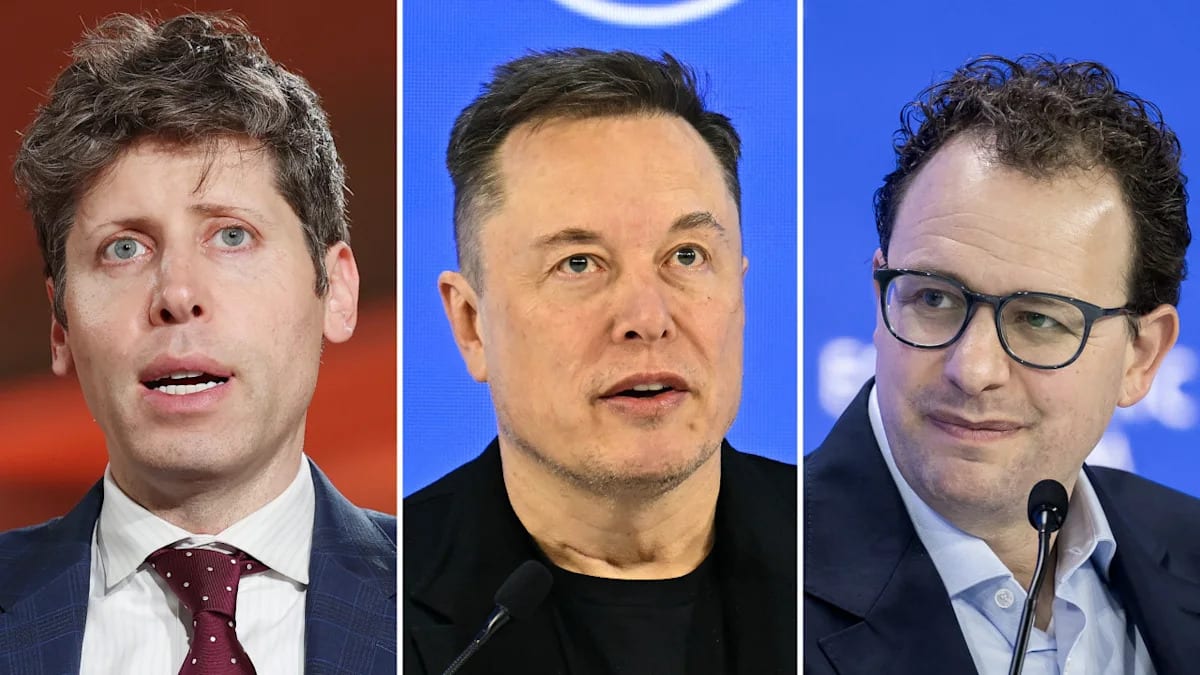
Major retirement funds are heavily concentrated in AI-linked tech stocks, leaving portfolios vulnerable to sector volatility. High market-cap weighting in S&P 500 index funds means a few AI-driven companies disproportionately influence investor savings.
The AI Concentration Risk in Modern Retirement Portfolios
Recent market fluctuations have brought a hidden vulnerability to the forefront of retirement planning: the extreme concentration of capital within AI-centric technology stocks. While many investors believe that owning an S&P 500 index fund provides broad diversification, the reality is that these funds are weighted by market capitalization. This structural design grants the largest companies the most influence, effectively tying the health of individual retirement accounts to the performance of a select few tech giants.
The Mechanics of Market-Cap Weighting
When a retirement fund’s 10 largest holdings account for approximately 38% of its total value, the concept of 'diversification' becomes nuanced. As of September 11, specific entities like Nvidia accounted for roughly 8% of the State Street SPDR S&P 500 ETF Trust, with Apple and Microsoft contributing an additional 7.4% and 5.6%, respectively. Because these companies are deeply embedded in the development, infrastructure, or implementation of artificial intelligence, the index acts less as a broad market basket and more as a concentrated bet on the AI sector.
The Vulnerability of Passive Investing
For the average retail investor, the danger lies in the assumption that passive index investing acts as a complete shield against sector-specific volatility. Even those who have never manually purchased a single 'AI stock' find themselves heavily exposed due to the sheer size of these tech leaders in the S&P 500. When these stocks experience a sell-off, the impact on a retirement portfolio is amplified, as the index is inherently skewed toward the very companies that are currently driving the AI narrative.
Broad Implications for Long-Term Wealth
This trend poses significant questions for long-term financial security. As leaders like Sam Altman, Elon Musk, and Dario Amodei publicly discuss the potential need to slow or regulate AI development, the market reacts with heightened sensitivity. Any regulatory shift or technological stall directly affects the bottom line of these massive corporations, which in turn cascades into the retirement savings of millions of Americans who rely on these index funds for their future stability.
Future Trends and Investor Caution
Looking ahead, investors must reconcile the discrepancy between the perceived safety of index funds and the reality of sector concentration. While index funds remain a staple of retirement planning, the current market composition suggests that 'set it and forget it' strategies may carry more risk than previously understood. Future market trends will likely dictate that investors pay closer attention to the underlying holdings of their funds, as the success of the broader market continues to be tethered to the rapid, and sometimes volatile, evolution of the artificial intelligence industry.