How ‘Phantom’ Data Center Projects Are Making It Impossible to Forecast AI Power Demand — ‘Grid Operators Don’t Know Which Ones Are Real’
Source Entity
Yahoo Finance
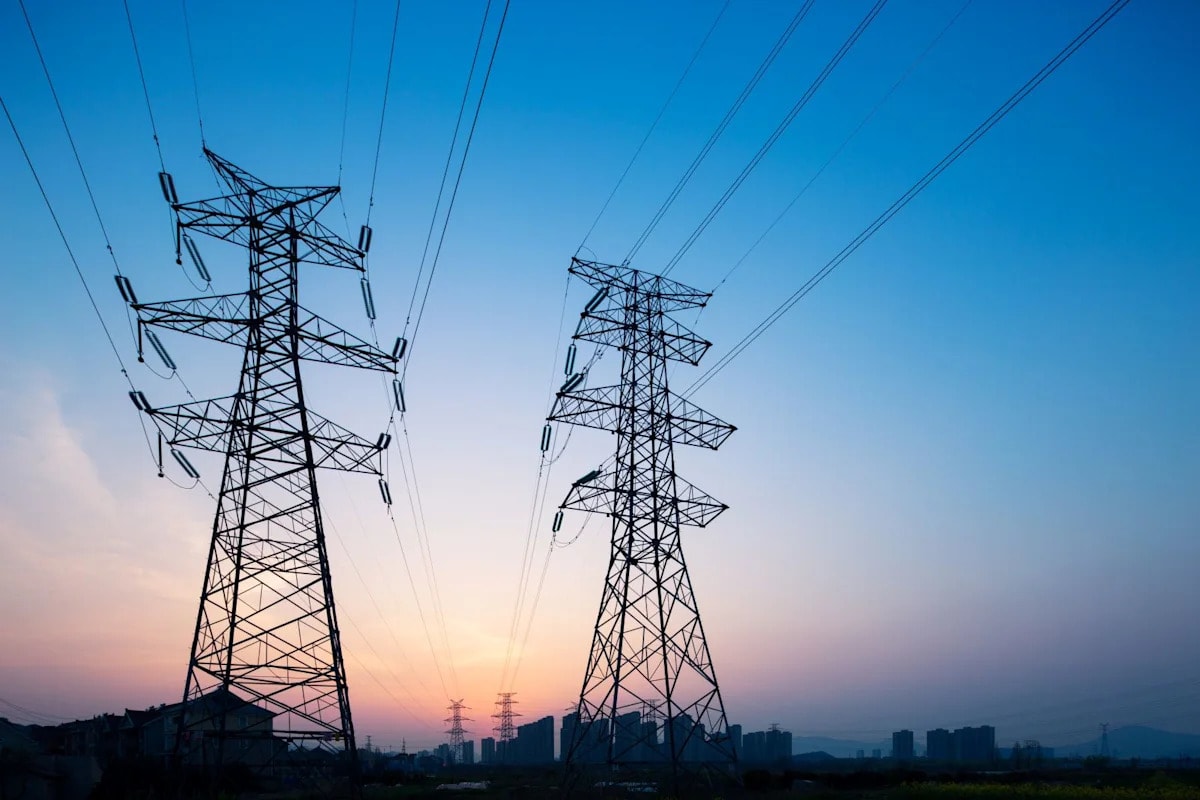
The AI infrastructure boom is driving massive investment in data centers, but labor shortages and 'phantom' projects are creating significant uncertainty. While non-tech 'HALO' companies may benefit, the strain on the electrical grid and construction labor supply poses a major risk to future growth.
The Hidden Infrastructure Costs of the AI Revolution
As the world races to integrate artificial intelligence into every facet of the economy, the physical reality of this digital transition is becoming increasingly apparent. The massive capital expenditure planned by hyperscalers—projected to reach $800 billion in 2026 and exceeding $1 trillion by 2027—is fueling a data center building boom that is reshaping the industrial landscape. However, this growth is not without significant friction, as the demand for power and specialized labor begins to outpace current capacity.
The Rise of 'HALO' Companies
While much of the market focus remains on software developers and semiconductor manufacturers, the infrastructure build-out is providing a unique tailwind for 'HALO' companies: those defined by hard assets and low obsolescence. These firms, which support the physical build-out of data centers, are positioned to benefit from the multi-year investment cycle required to sustain AI ambitions. By focusing on the structural requirements of these facilities, investors are looking beyond the volatile tech sector to find stability in the foundational elements of the digital economy.
The Labor Bottleneck
One of the most significant risks to this expansion is a critical shortage of skilled labor. According to Bernstein analyst Chad Dillard, while the mechanical, electrical, and plumbing (MEP) labor force is nominally 1.8 million strong, the reality is far more restrictive. Data center construction requires a highly specialized skill set, and when accounting for geographical accessibility and qualification levels, the available pool is much smaller than headline figures suggest. This shortage of welders and electricians threatens to delay projects, effectively acting as a physical constraint on the speed of AI deployment.
The Problem of 'Phantom' Projects
Adding to the uncertainty is the emergence of 'phantom' data center projects. These are developments that are announced but never built, or planned at a scale that exceeds physical grid constraints. This phenomenon is wreaking havoc on the ability of grid operators to forecast power demand accurately. When utility companies cannot distinguish between viable infrastructure and speculative announcements, the risk of misallocation of resources increases, potentially leading to instability in energy planning.
Grid Strain and Inflationary Pressure
The ripple effects of this demand are already reaching the consumer. Household electricity prices have risen by 10.1% over the past two years, outpacing broader inflation metrics. This increase is largely driven by the anticipation of the massive electrical loads required by AI-ready facilities. As companies like Nebius and CoreWeave continue to aggressively expand their contracted power forecasts—with Nebius targeting 5 gigawatts and CoreWeave adding hundreds of megawatts—the burden on the electrical grid will only intensify.
Conclusion: A Realistic Outlook
The AI build-out is a monumental task that requires more than just high-performance computing chips; it requires a massive mobilization of physical resources and human capital. While the economic potential is immense, the industry must overcome significant hurdles, including labor scarcity, grid integration challenges, and the need for more accurate forecasting of true demand. The future of AI will be decided not only in the server room but on the construction site and within the power grid.