Opened to play football, not for footballers? Why BMC wants to turn Neville D’Souza ground into exhibition centre
Source Entity
Pratip Acharya
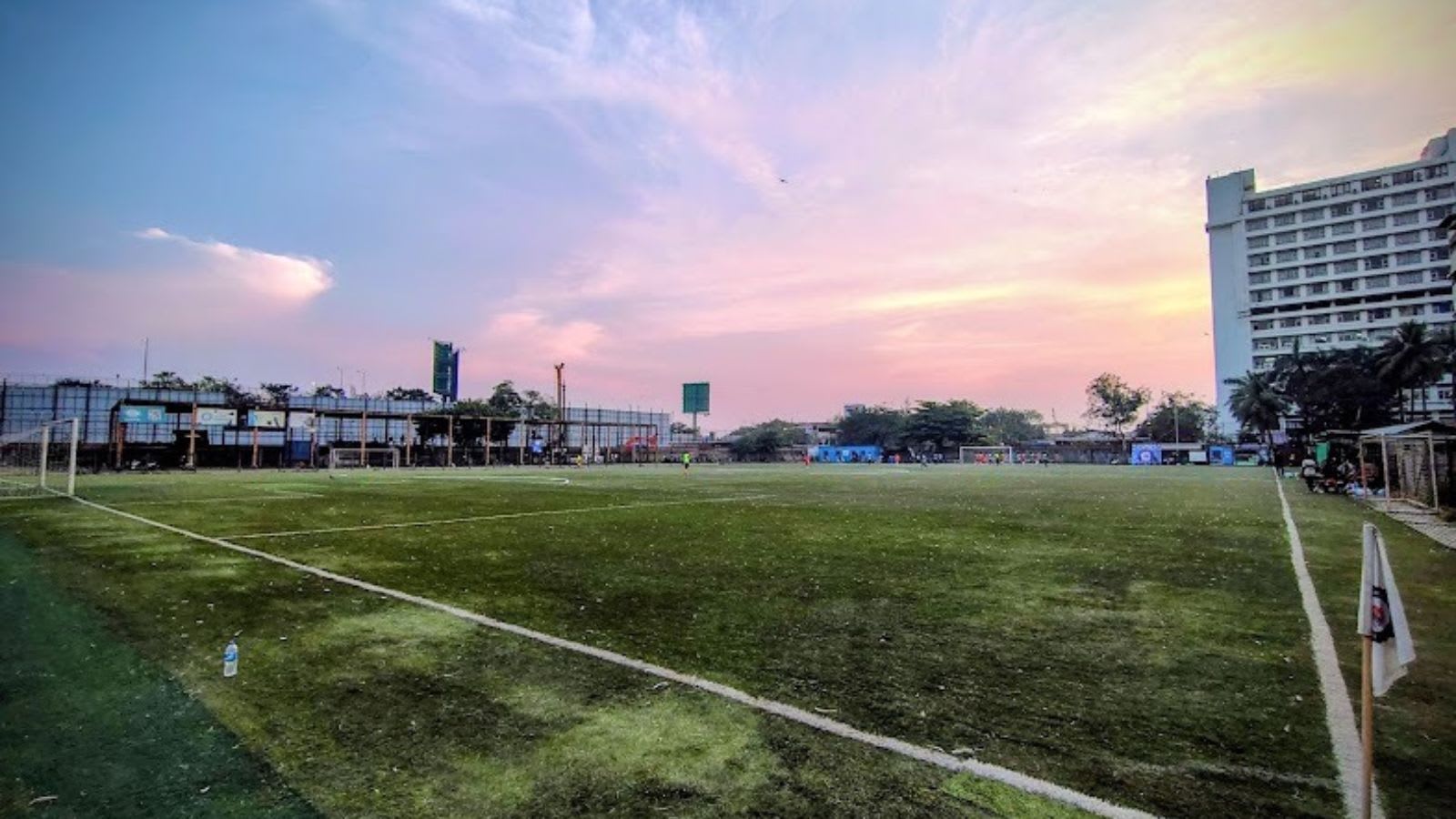
The BMC's proposal to convert the historic Neville D’Souza football ground in Mumbai into a convention center has sparked local protests. The Mumbai District Football Association is currently challenging the move in the Bombay High Court.
The Battle for Bandra: The Neville D’Souza Ground Controversy
The Neville D’Souza football ground in Bandra, Mumbai, has become the epicenter of an intense debate regarding urban planning and the preservation of sports infrastructure. Named after the legendary footballer who made history as the first Asian to score a hat-trick in the Asian Games, the ground serves as a poignant reminder of the city's rich sporting heritage. However, the recent decision by the Brihanmumbai Municipal Corporation (BMC) to repurpose this 2.47-acre parcel for a convention-cum-exhibition center has ignited significant public outcry.
Urban Space vs. Commercial Development
At the heart of the conflict is the scarcity of open, public spaces in Mumbai. As one of the few land parcels specifically reserved for football, the Neville D’Souza ground is a vital asset for local athletes. The BMC’s proposal highlights a recurring tension in metropolitan governance: the drive to create revenue-generating commercial infrastructure versus the necessity of maintaining community-focused recreational facilities. Critics argue that converting such rare green or open spaces into concrete structures undermines the city’s long-term health and social well-being.
Historical Significance and Community Identity
Naming a ground after Neville D’Souza was an act of honoring Mumbai’s contribution to international sports. By attempting to replace a site dedicated to this legacy with an exhibition hall, the BMC faces accusations of prioritizing short-term commercial utility over the cultural and historical identity of Bandra. This move has mobilized local residents and sporting enthusiasts who fear that once these spaces are surrendered to development, they are lost to the community forever.
Legal Challenges and Institutional Friction
The Mumbai District Football Association (MFA), which currently holds the lease for the ground, has taken the dispute to the Bombay High Court. This legal intervention marks a critical juncture in the struggle, as it forces a judicial review of the government's earmarking process. The outcome of this case will likely set a precedent for how the BMC manages other contested land parcels across the city, potentially influencing future urban development policies.
Broader Implications for Mumbai’s Future
This situation reflects a broader trend in Indian urban centers where 'concretized development' is increasingly challenged by citizens advocating for sustainable urban living. If the exhibition center proceeds, it may embolden developers to target other protected recreational zones. Conversely, a victory for the MFA could bolster the position of local sports bodies in safeguarding their facilities against municipal encroachment, emphasizing that the value of a city is measured not just by its exhibition spaces, but by the accessibility of its sports and community grounds.
Conclusion
The controversy surrounding the Neville D’Souza ground is more than a local zoning dispute; it is a battle for the soul of Mumbai’s public infrastructure. As the matter rests with the judiciary, the city watches closely to see whether the preservation of its sporting history will prevail over the demands of urban commercialization.