Houthi attack kills six in first fatalities in Red Sea in over a year; U.S. strikes container ship
Source Entity
US Top News and Analysis
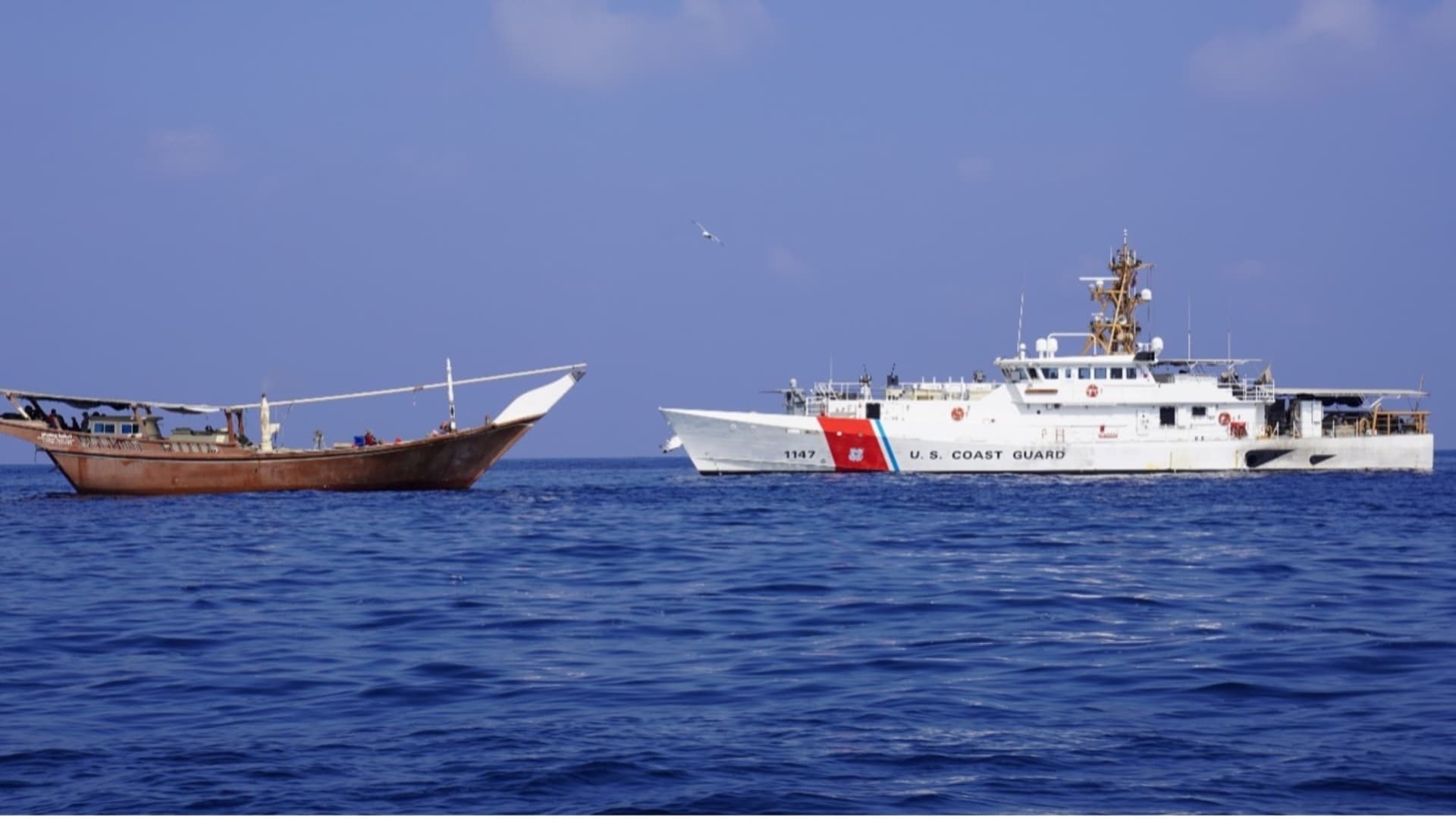
Houthi rebels have killed six people in a direct strike on a cargo ship in the Red Sea, marking the first fatalities in over a year. The attack, which included a secondary strike on rescue workers, highlights the escalating risks to global shipping lanes.
The Escalation of Houthi Maritime Aggression
The recent attack in the Bab el-Mandeb Strait, which resulted in the deaths of six individuals aboard a cargo ship, marks a grim milestone in the ongoing conflict within the Red Sea. For over a year, Houthi rebels have engaged in persistent harassment of international shipping, but this incident represents the first confirmed fatalities during this period of heightened regional instability. The brutality of the assault was further compounded by a secondary strike aimed at the vessel while rescue teams were actively attempting to evacuate the crew, signaling a shift toward more lethal and calculated tactical operations.
Strategic Implications for Global Logistics
The Bab el-Mandeb Strait is a critical maritime choke point, serving as the gateway to the Suez Canal. The targeting of cargo and container ships in this corridor has profound implications for global trade, forcing shipping companies to reroute vessels, thereby increasing costs, insurance premiums, and transit times. As these attacks continue to inflict a toll on the world's most vital shipping lanes, the international community faces the difficult challenge of securing commercial navigation against asymmetric threats that prioritize disruption over conventional military engagement.
The Role of State-Sponsored Proliferation
Underpinning these kinetic attacks is a sophisticated supply chain of military hardware. Reports from the U.S. Central Command (CENTCOM) confirm that the Houthi capability is not entirely homegrown. On January 28, the U.S. Coast Guard intercepted a shipment of advanced weaponry destined for Houthi-controlled territories, including medium-range ballistic missile components, explosives, and unmanned surface and underwater vehicle technology. This interdiction confirms the direct link between state actors—specifically Iran—and the technological advancement of the rebel group's offensive arsenal.
Tactical Evolution: UUVs and Advanced Weaponry
The discovery of unmanned underwater and surface vehicle (UUV/USV) components is particularly concerning for maritime security experts. These technologies allow for stealthier, more precise attacks that are significantly harder to intercept than traditional missiles. By providing the Houthis with communication and network equipment alongside anti-tank missile launchers, external backers have transformed a local insurgency into a force capable of threatening global commercial interests with precision-guided munitions.
Future Outlook and Regional Stability
Looking forward, the persistence of these strikes suggests that the Red Sea will remain a volatile theater for the foreseeable future. The willingness of the Houthis to target rescue operations indicates a disregard for standard maritime humanitarian norms, which will likely necessitate a more robust international naval response. Unless the flow of illicit military aid is completely stemmed and the tactical superiority of the Houthis is degraded, the risk to maritime life and global economic stability will continue to rise. The international community must now reconcile the need for open trade with the reality of an emboldened, well-equipped non-state actor operating in one of the world's most sensitive maritime corridors.